
The Dinosaur That Changed What We Know About Parental Care
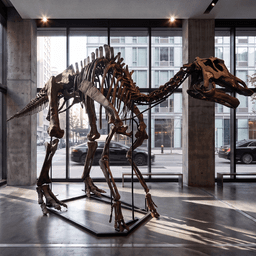
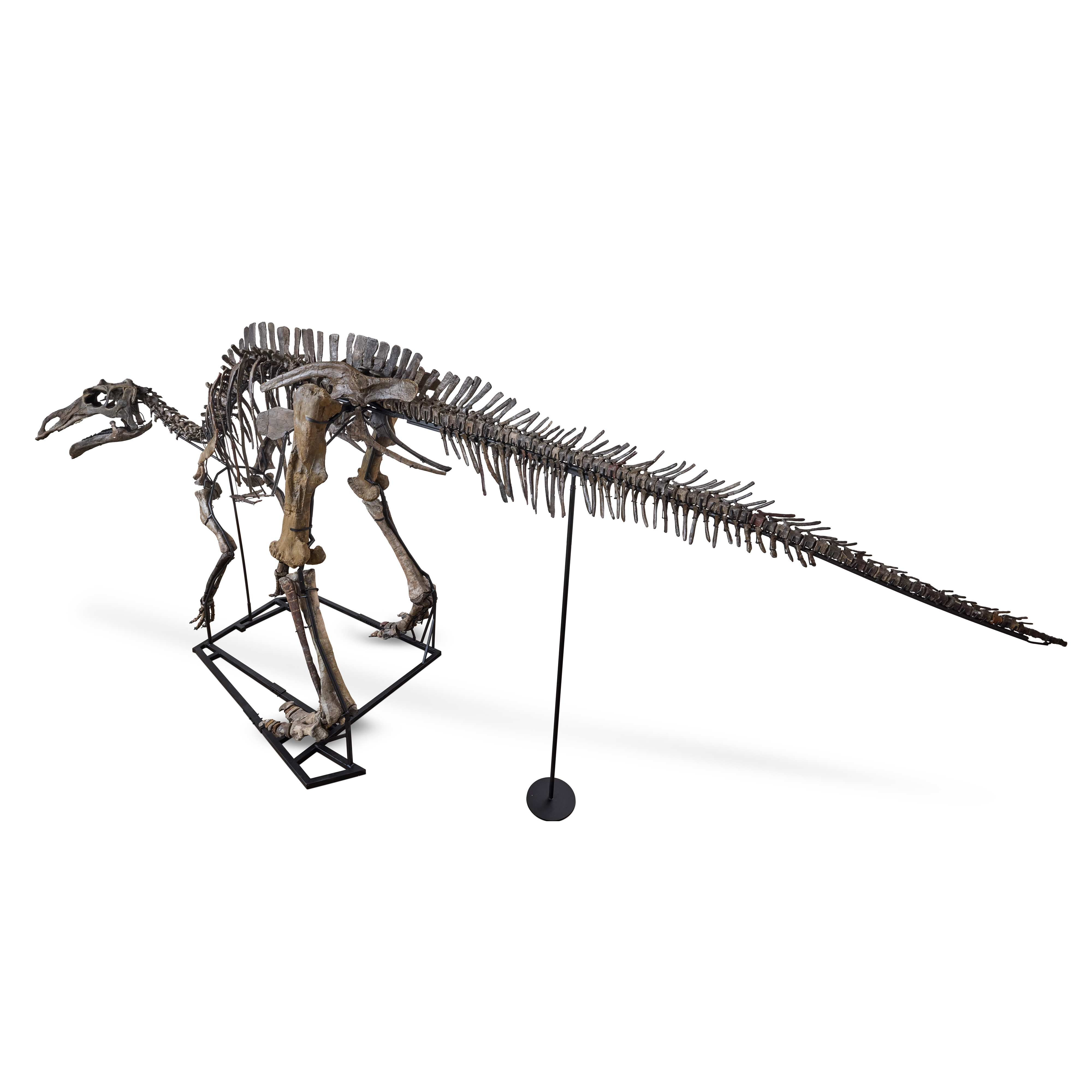
Koda — Adult Maiasaura peeblesorum Skeleton
Estimate
USD $900,000 - 1,200,000
Closed
Oct 13, 4:04pm UTC
An exceptional adult Maiasaura skeleton from the Two Medicine Formation of Montana.
Overview
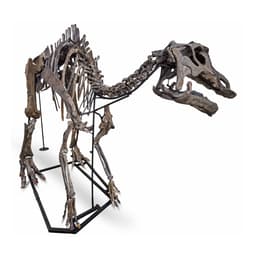
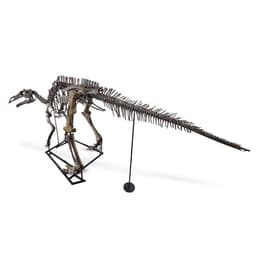
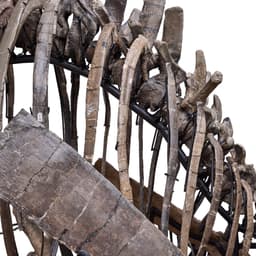
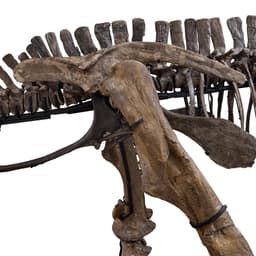
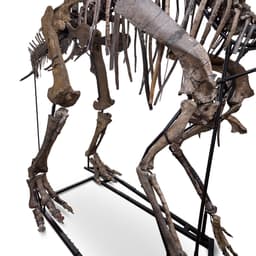
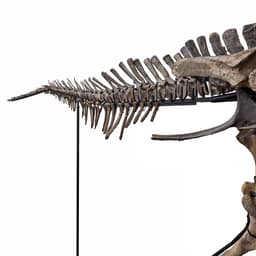
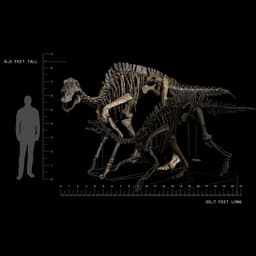
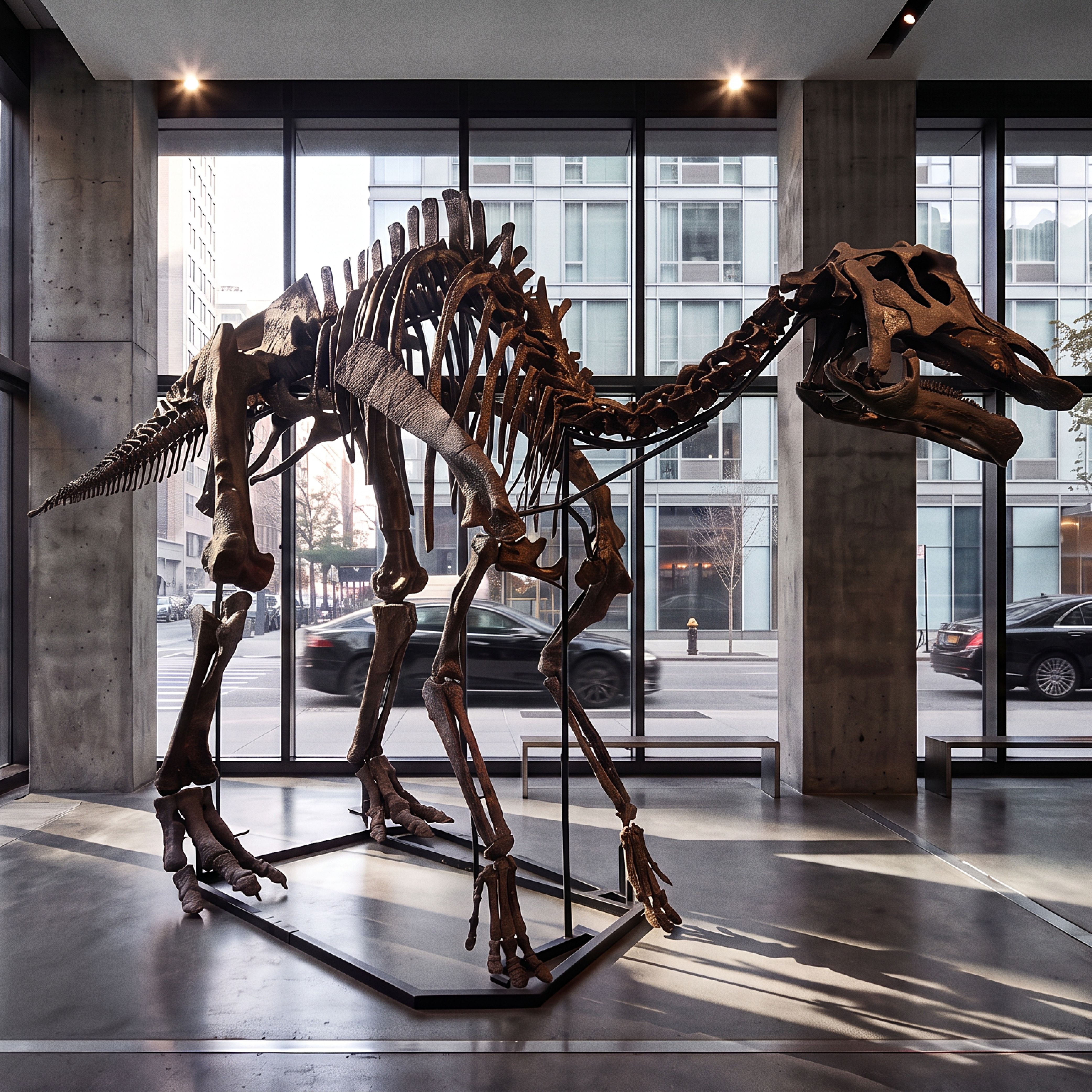
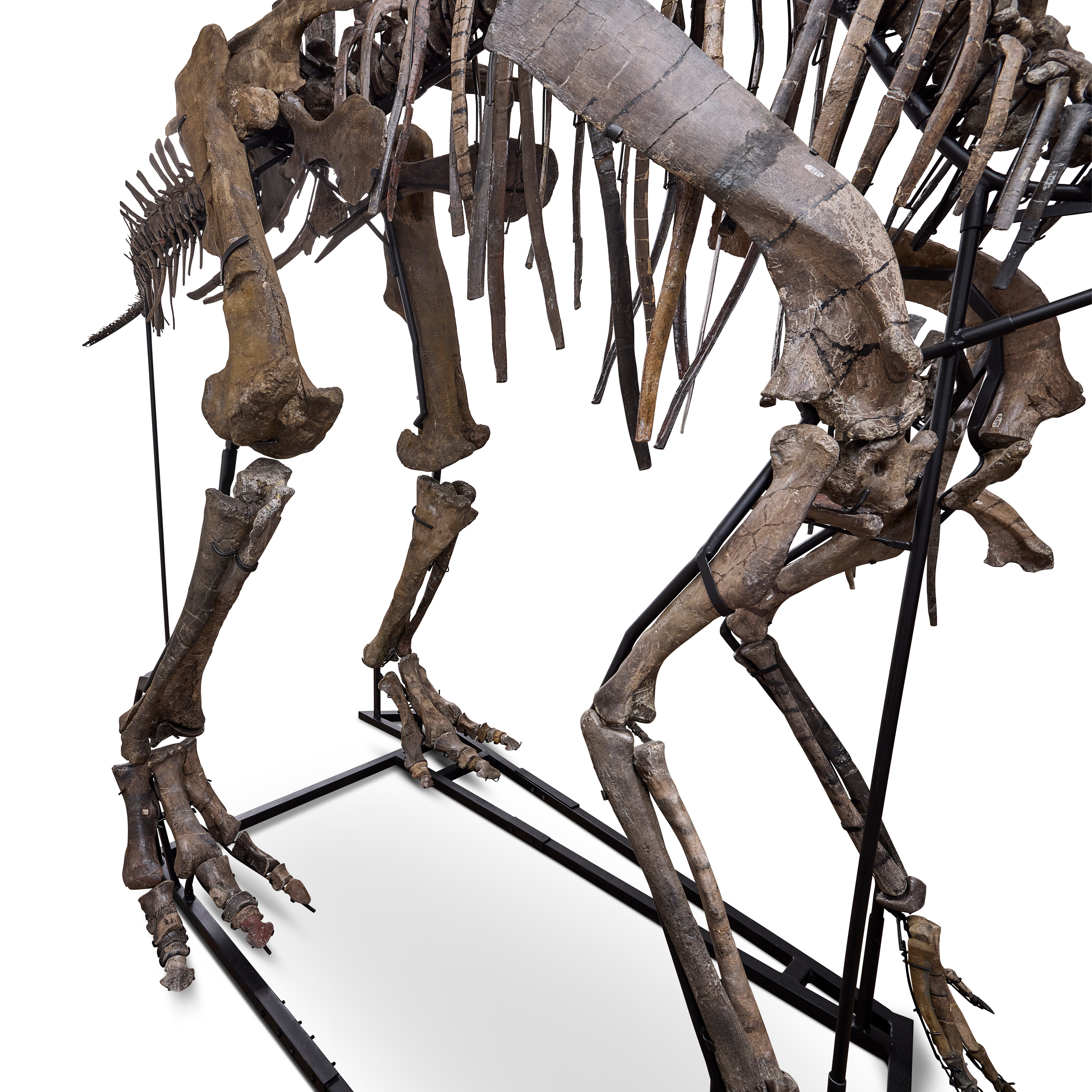
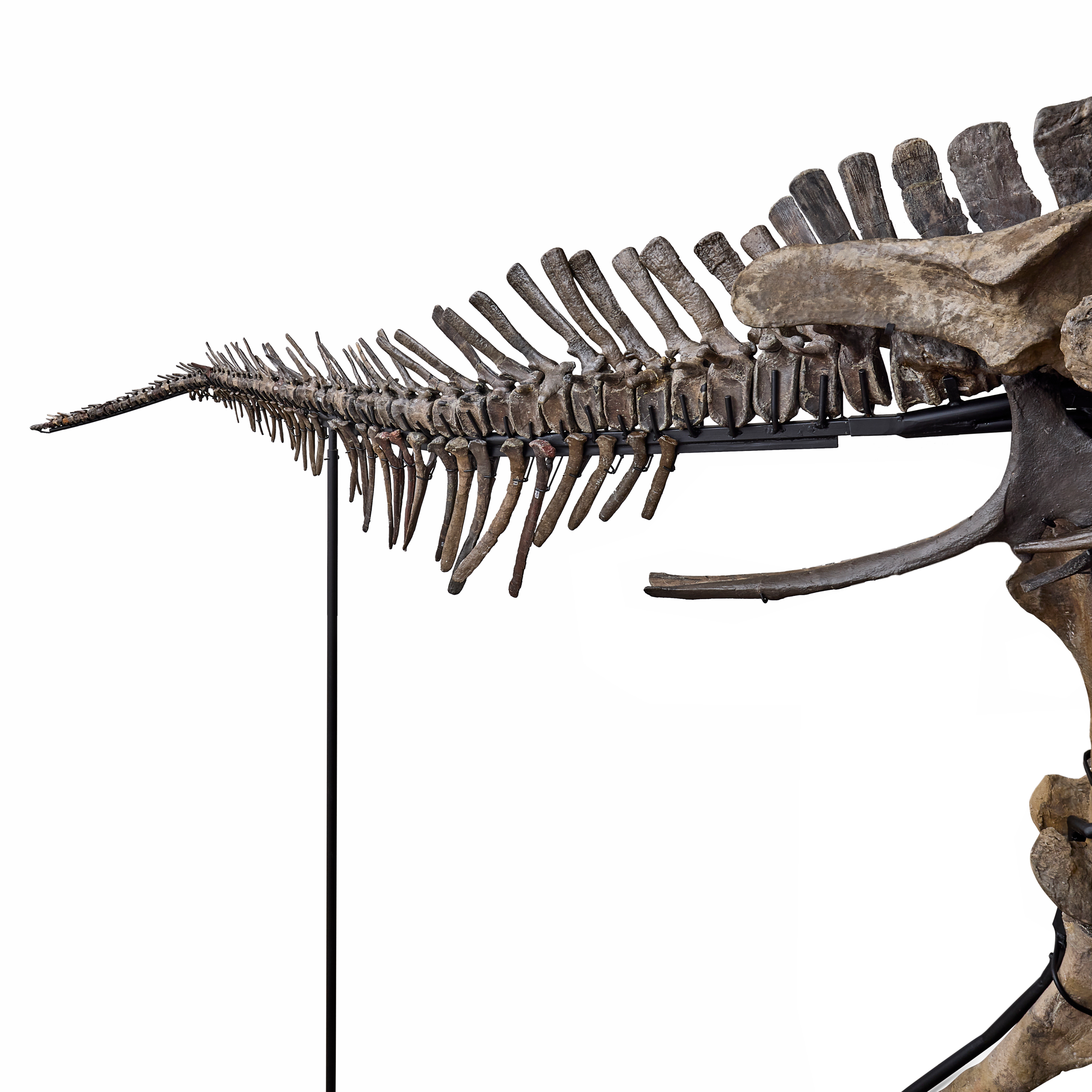
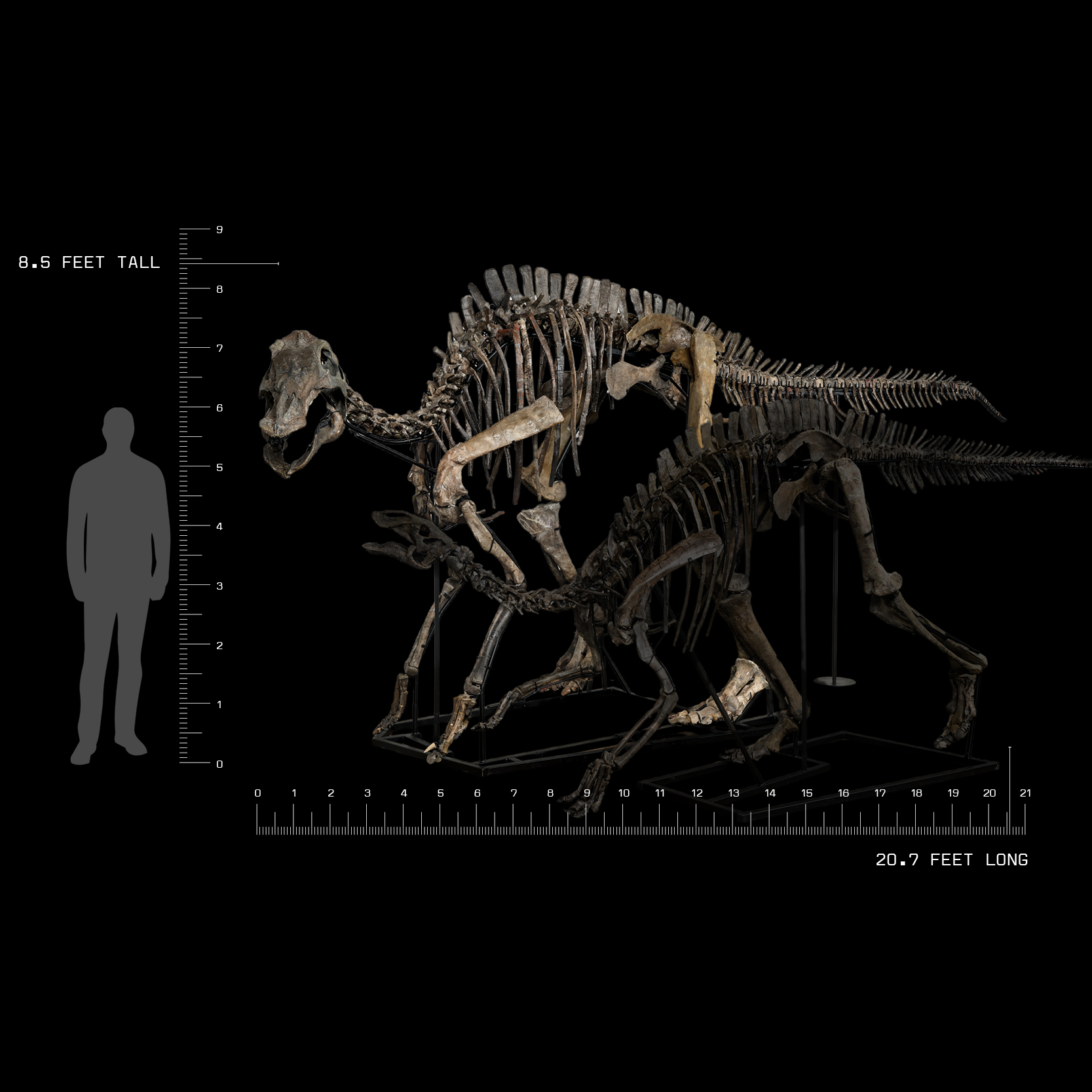
Koda is a fully mounted adult Maiasaura peeblesorum, prepared under the scientific direction of Dr. Frédéric Lacombat. At 20.7 feet long and 8.5 feet tall, she is offered with Hank, a juvenile of the same species from the same quarry.
The Deposit
The Linster Quarry, near Bynum in Teton County, Montana, lies within the Two Medicine Formation and is a Maiasaura bonebed, laid down on a dynamic seasonal floodplain. The deposit is interpreted as the result of two events: a herd drowned in a local flood, and the animals decomposed and disarticulated where they lay; the remains were then moved and concentrated by a second, gentler event, strong enough to transport and stack the bones but not to damage or erode them, and occurring before significant predation or surface weathering, allowing for an exceptional record. The hadrosaur material recovered from the Linster Quarry is attributed exclusively to Maiasaura, with McFeeters, Evans and Maddin noting that “there is no evidence for a second hadrosaurid taxon in this bonebed.” The significance of the site is well established in the paleontological literature.
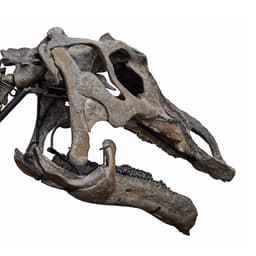
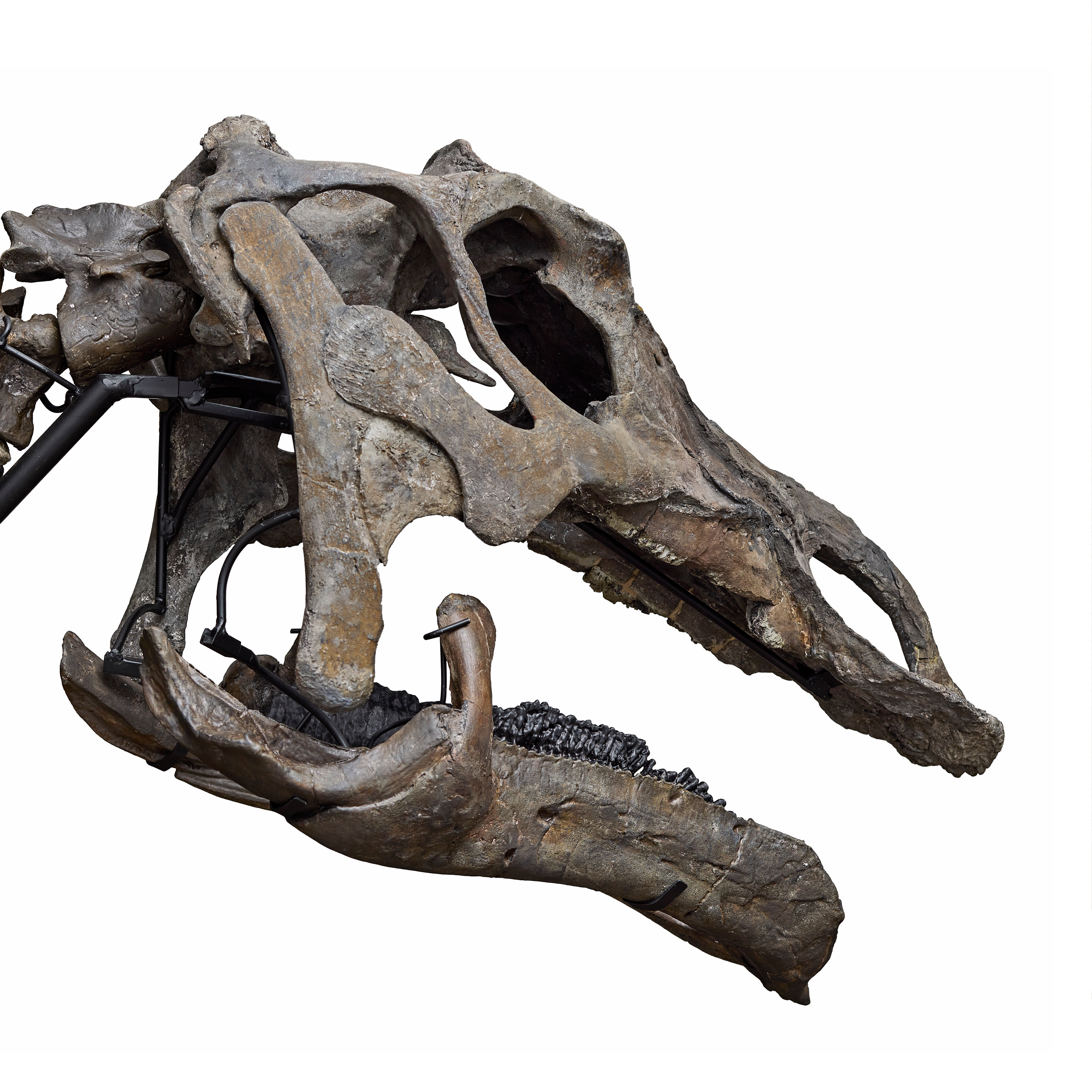
A 2021 study in Acta Palaeontologica Polonica described five partial Maiasaura skulls from the Linster Quarry bone bed, spanning subadult to mature adult, as an "ontogenetic series" — a sequence of specimens representing different stages of the animal’s development.
Discovery
Koda was excavated from the Linster Quarry by the Linster family, who worked the site from the 1990s until 2005. It was on this same ground, in 1993, that Wes Linster discovered the defining specimen of Bambiraptor feinbergi, upon which the species was formally described in 2000 by a team including Philip Currie, Robert Bakker and John Ostrom. Koda’s preparation and mounting were carried out in France under the scientific direction of Dr. Frédéric Lacombat.
Preparation and Restoration
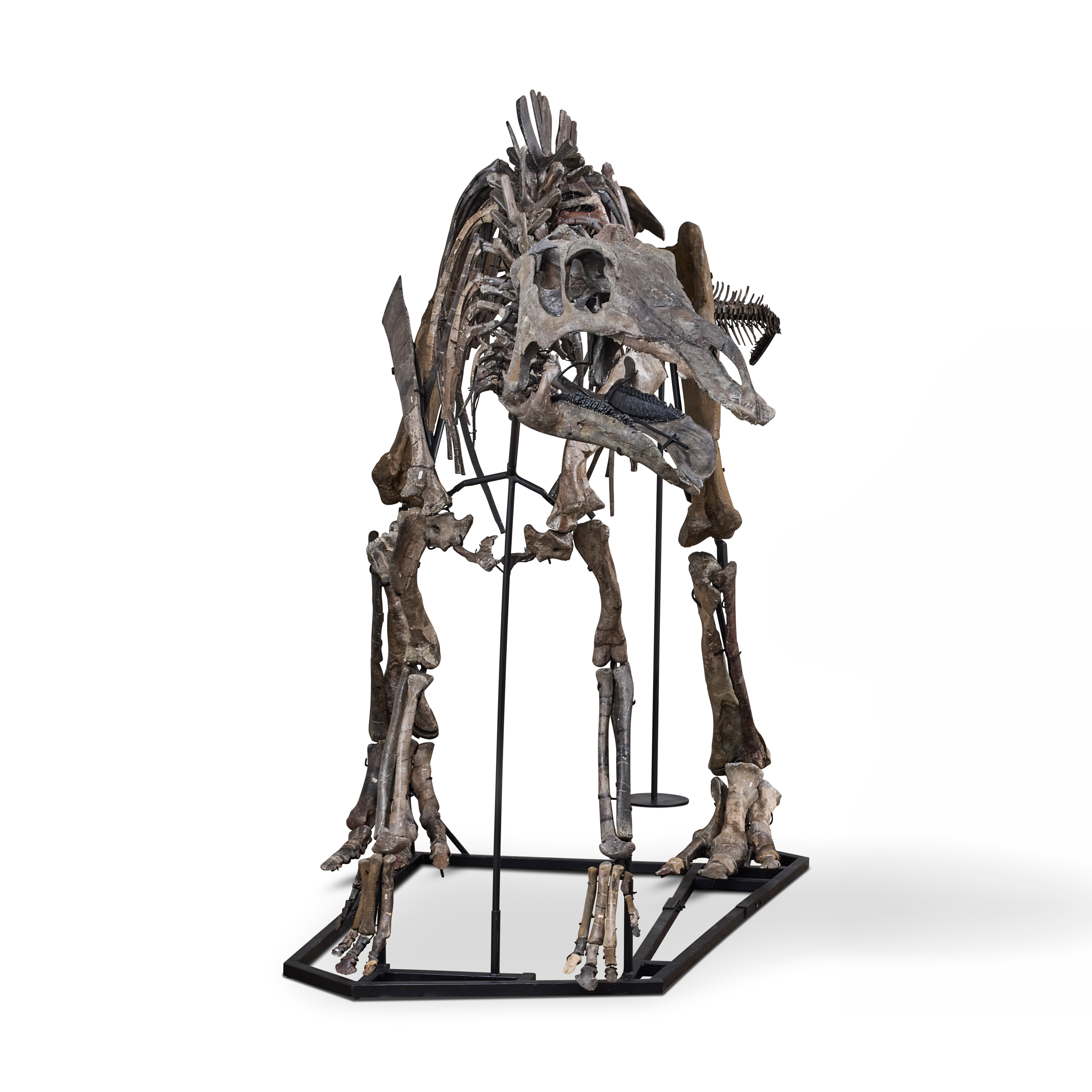
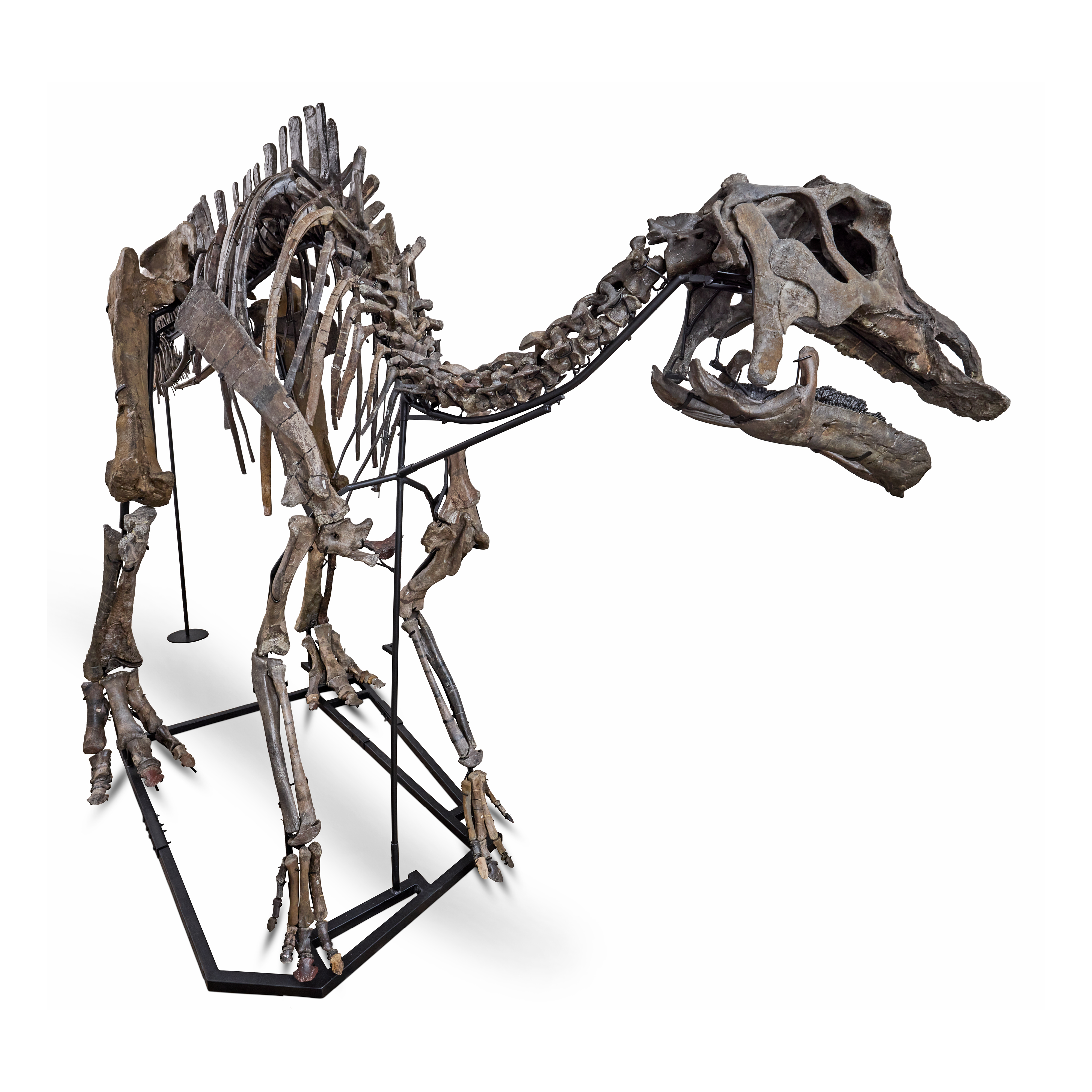
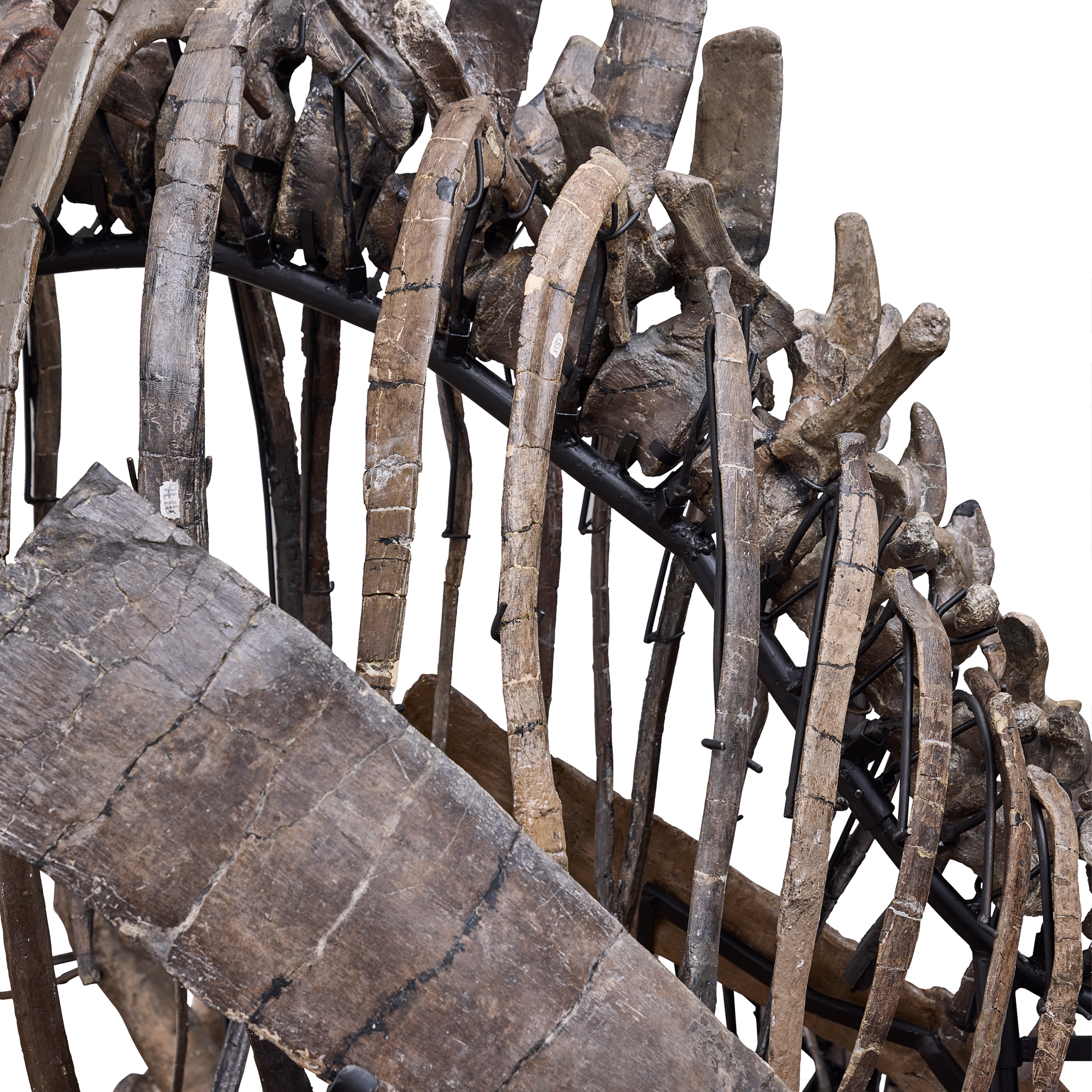
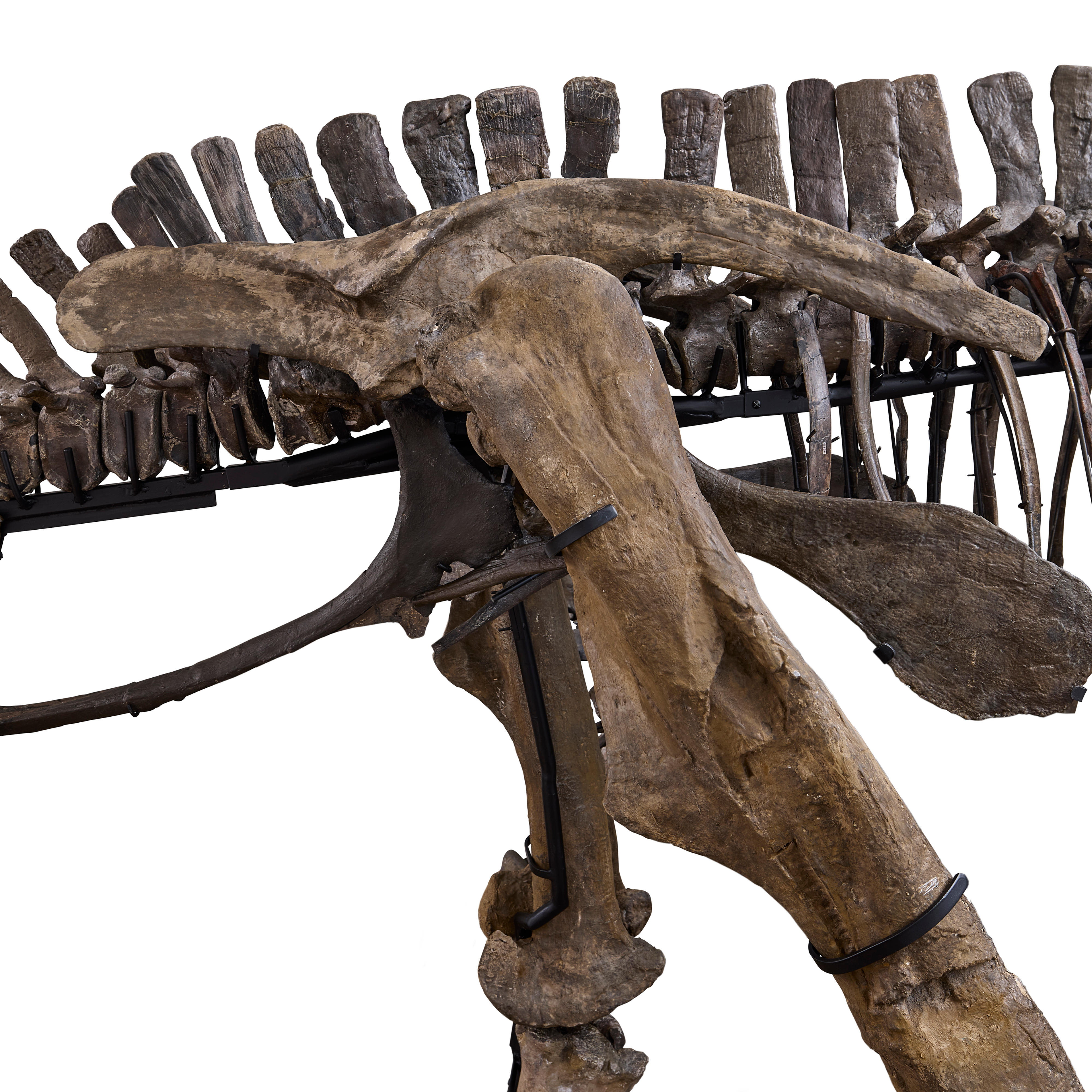
Koda is mounted on a custom-fabricated steel armature. Where original bone is absent, elements have been fabricated by 3D printing integrated with epoxy resin. A complete bone list identifies, element by element, original fossil bone against restored and printed material.
Growth Stage
Judging from the overall size of the material and the degree of bone development, it can be determined that the skeleton represents Maiasaura peeblesorum at a fully mature adult stage of growth. Histological research on the species — a study of fifty Maiasaura tibiae — has established that Maiasaura grew rapidly, reaching full adult size relatively early in life.
Growth stage in fossil vertebrates is determined from skeletal morphology — overall size, degree of bone development, and fusion of skeletal elements — assessed against published ontogenetic studies of the species.
Completeness and Condition
Koda is a composite. The animals in this deposit came apart before the bones were moved and stacked together, so no element can be assigned with certainty to one individual rather than another. The mount is assembled from original Maiasaura peeblesorum bone recovered from the Linster Quarry and prepared as a single adult skeleton under the scientific direction of Dr. Frédéric Lacombat.
Of the mounted skeleton, 68% is original fossil bone by bone count. The specimen has been professionally prepared and mounted and is offered ready for display.
Scientific Assessment
"The scientific relevance of these Maiasaura specimens is based on the historic Linster Quarry, and the incredible abundance of bones from multiple growth stages, from juvenile to adult, of a single dinosaur species. Bone beds like this offer critical ontogenetic information that allows for comprehensive comparative study. Hadrosaurid growth, development and pathologies have been revealed through fossils from this site. The preparation and mounting combine expert craftsmanship through elegant fabrication of the armature and accurate skeletal articulation. This study mount style preserves scientific fidelity and provides curatorial support to ensure stable long-term display. These composite skeletons from one of the most well-known bone beds of the Cretaceous period are a perfect representation of science and discovery."
Andre LuJan, Paleontology Expert
Collecting Significance
Two specimens of the same species, preserved at different stages of life and recovered from the same deposit, offer a rare opportunity to understand how Maiasaura changed as it grew. By comparing the specimens directly, researchers can study changes in everything from the proportions of the limbs and development of the skull to the way the animal moved as it matured.
Fossils from the Linster Quarry have already played an important role in this research. An adult Maiasaura from the same quarry, now held by The Children’s Museum of Indianapolis (TCMI 2001.89.2), has been used as a reference specimen in published studies of the species.
While Maiasaura is one of the most abundant dinosaurs found in the Two Medicine Formation — and one of the best understood hadrosaurs — specimens of this quality and significance remain rare to encounter.
Mounted mid-stride with the head lowered, Koda is a specimen of exceptional scale and presence.
Offered with full title and license; all intellectual property transfers with the specimen.
Provenance
Excavated by the Linster family from the Linster Quarry, Two Medicine Formation, Teton County, Montana
Cliff and Sandra Linster, Bynum, Montana
Acquired in December 2005 with the property and the excavated fossil material
Supporting Archive
Original historical documentation includes:
— documentation relating to the land and its ownership
— documentation relating to the quarry and the excavation
— a complete bone list and osteograph for the mounted skeleton
Available on request. To view a PDF dossier that includes these materials, please contact a specialist.
References
On the deposit and the species:
McFeeters, B., Evans, D.C., and Maddin, H.C., “Ontogeny and variation in the skull roof and braincase of the hadrosaurid dinosaur Maiasaura peeblesorum from the Upper Cretaceous of Montana, USA”, Acta Palaeontologica Polonica, vol. 66, no. 3, 2021, pp. 485–507.
Burnham, D.A., Derstler, K.L., Currie, P.J., Bakker, R.T., Zhou, Z., and Ostrom, J.H., “Remarkable new birdlike dinosaur (Theropoda: Maniraptora) from the Upper Cretaceous of Montana”, The University of Kansas Paleontological Contributions, new series no. 13, 2000.
Woodward, H.N., Freedman Fowler, E.A., Farlow, J.O., and Horner, J.R., “Maiasaura, a model organism for extinct vertebrate population biology: a large sample statistical assessment of growth dynamics and survivorship”, Paleobiology, vol. 41, no. 4, 2015, p. 503.
Bert, H., Woodward, H., Rinder, N., Amiot, R., Horner, J.R., Lécuyer, C., Sena, M., and Cubo, J., “Neonatal state and degree of necessity for parental care in Maiasaura based on inferred neonatal metabolic rates”, Scientific Reports, vol. 15, 2025, article 24827.
Hunter, J.P., and Janis, C.M., “Tooth wear in juvenile and adult hadrosaurs: implications for parental care in Maiasaura”, Palaeogeography, Palaeoclimatology, Palaeoecology, vol. 690, 2026, article 113707.
Horner, J.R., and Makela, R., “Nest of juveniles provides evidence of family structure among dinosaurs”, Nature, vol. 282, no. 5736, 1979, pp. 296–298.