JEAN-DOMINIQUE CASSINI (1748-1845)
Carte de la Lune
Estimate
USD $25,000 - 35,000
Closed
Jul 1, 2:22pm UTC
JEAN-DOMINIQUE CASSINI (1748-1845)
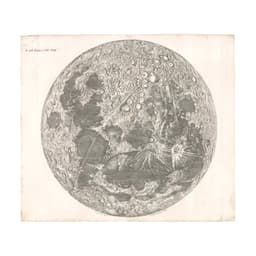
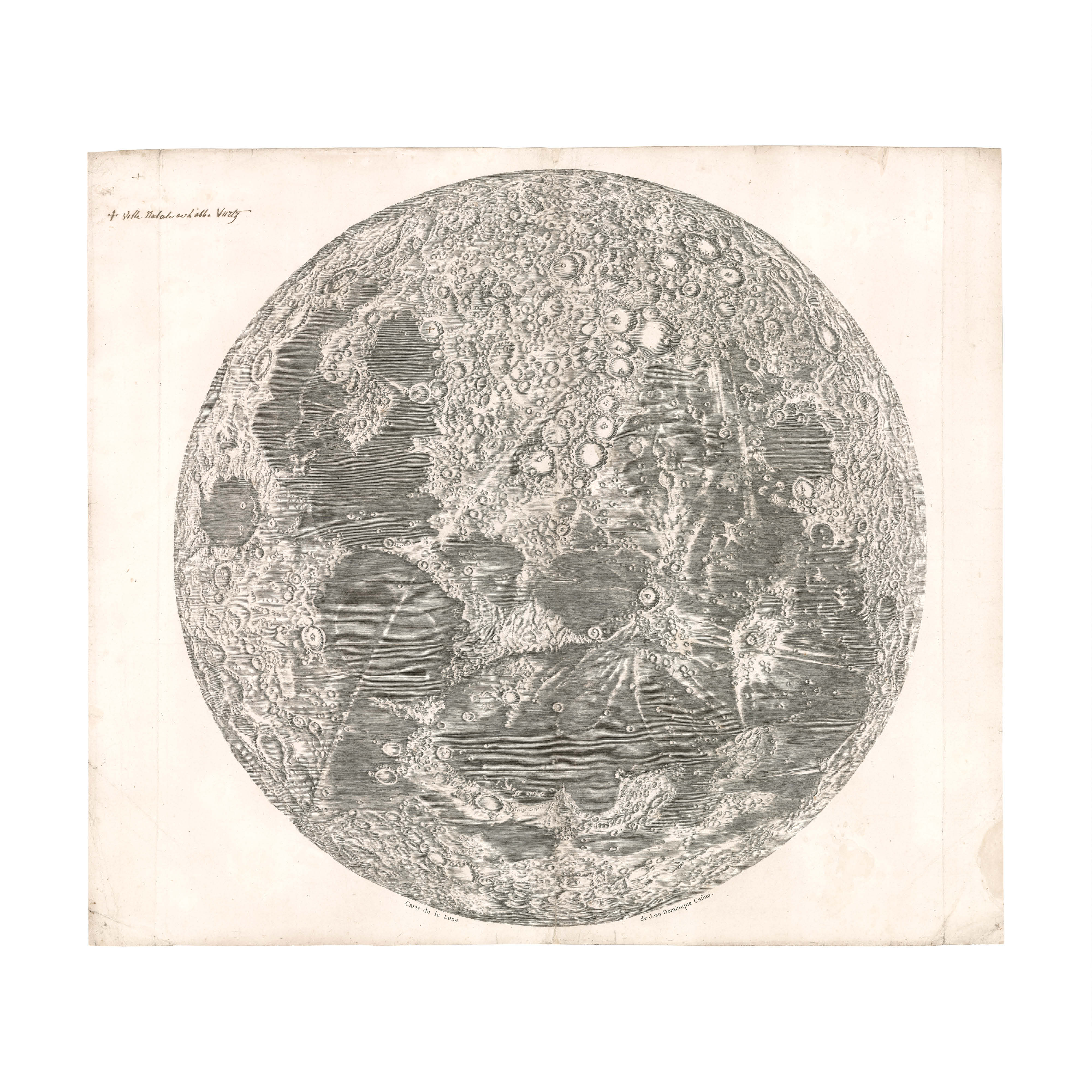
Carte de la Lune with a Heart Motif and Micro-Portrait of Cassini's Wife
engraved map
22 x 22 1/4 inches (55.7 x 56.7 cm)
Executed in 1787.
Born in Liguria, Jean-Dominique Cassini (1625–1712) was invited to France by Jean-Baptiste Colbert in 1669 to help establish and become the first director of the newly founded Paris Observatory. For the institution, Cassini acquired a powerful 34-foot telescope from the renowned instrument maker Giuseppe Campani, which would prove crucial to an ambitious program of lunar observation undertaken between 1671 and 1679. Working alongside artists Sébastien Leclerc and Jean Patigny, Cassini produced approximately sixty drawings of the Moon, many executed during lunar eclipses when lighting conditions allowed for enhanced visibility of its surface features.
Engraved by Claude Mellan, the resulting map became the first truly accurate representation of the Moon, surpassing earlier, highly stylized depictions in both detail and scientific precision. Its remarkable three-dimensional rendering of craters, mountains, and surface formations remained unsurpassed until the advent of photography. Beyond its scientific significance, the map also challenged longstanding religious conceptions of the Moon's supposed perfection, vividly documenting a landscape marked by rugged topography and impact craters.
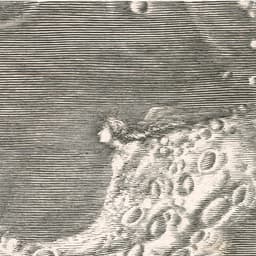
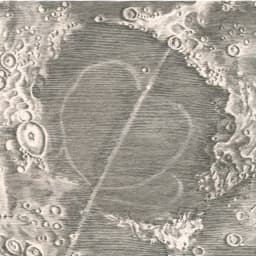
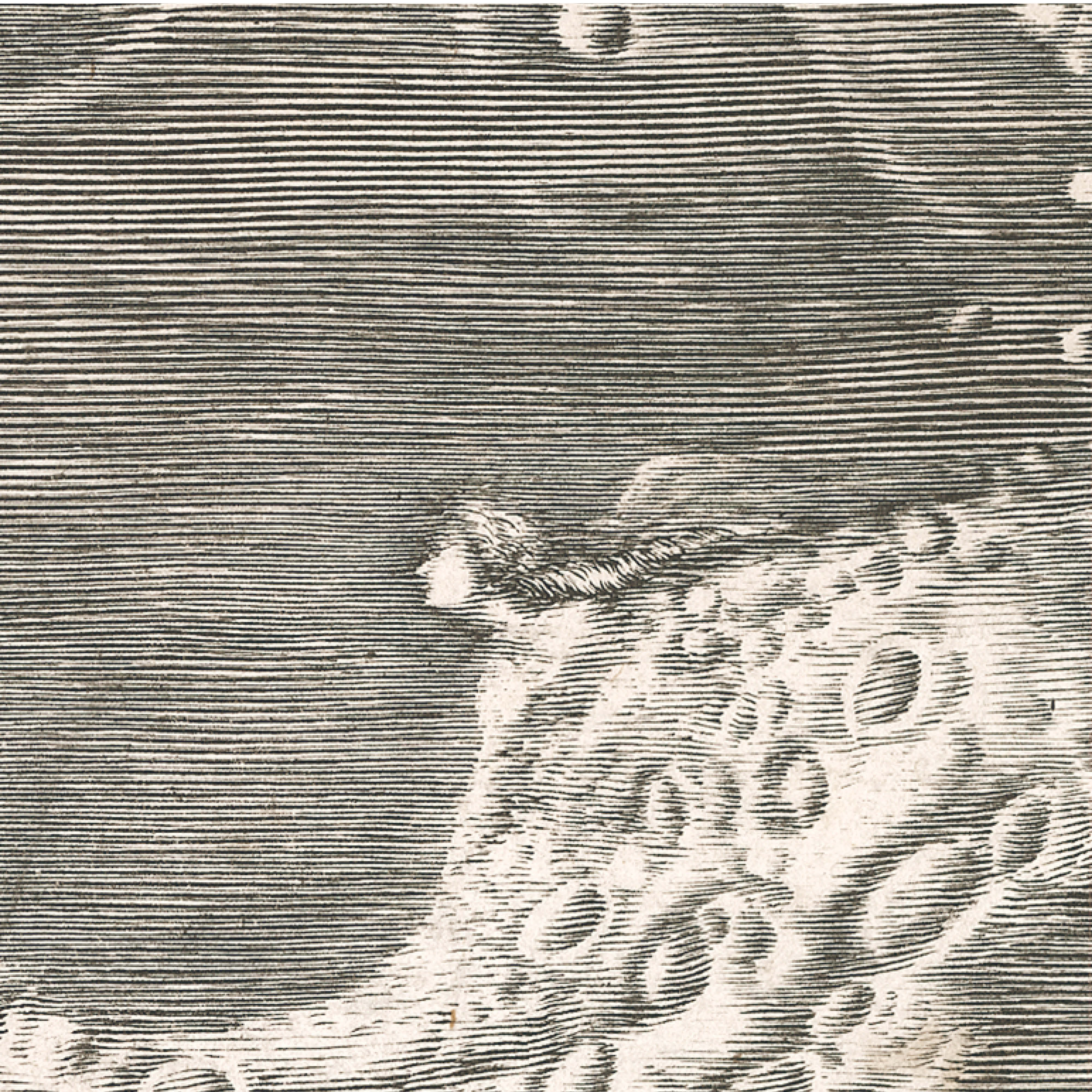
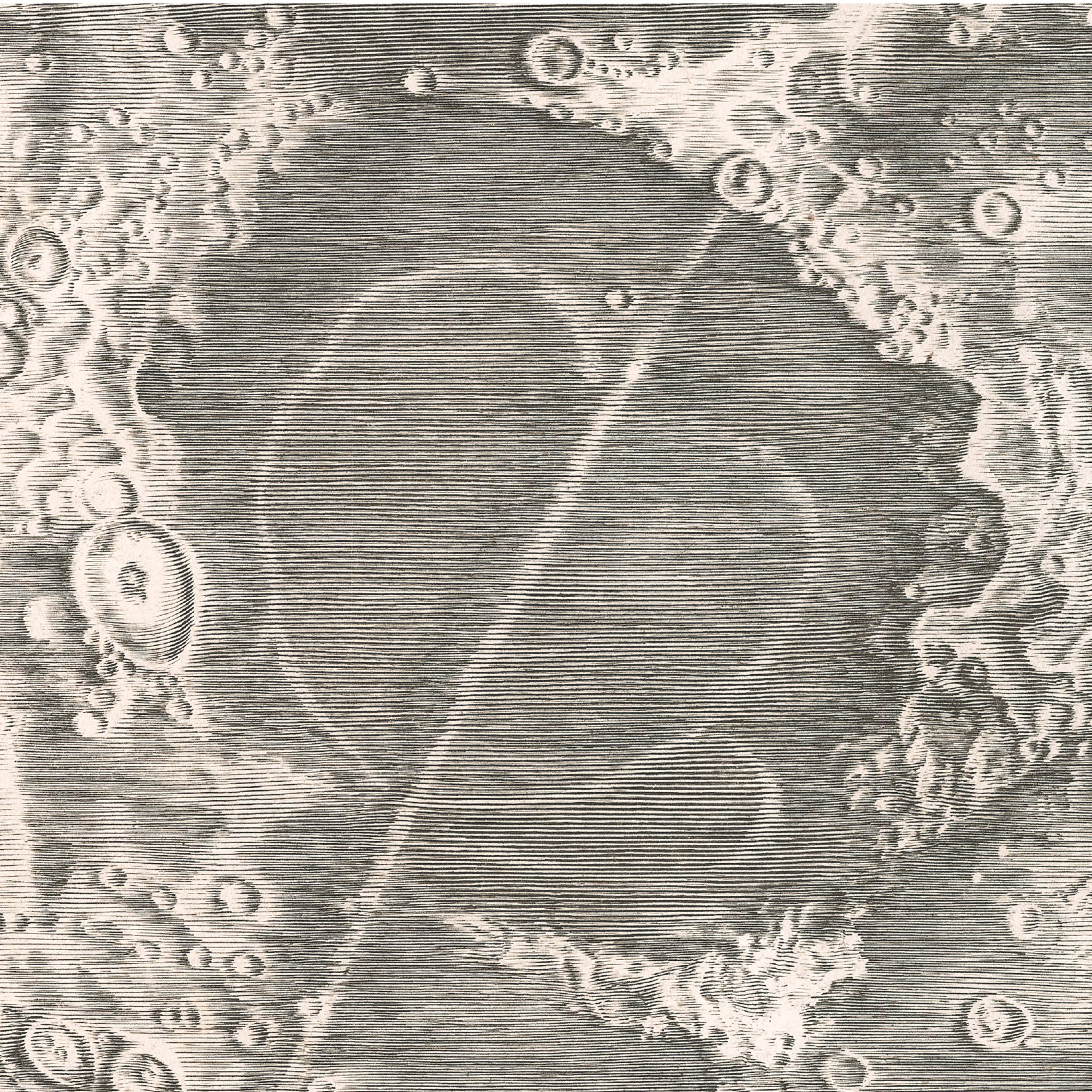
The work contains two subtle and often-discussed personal details: a profile hidden within the Promontorium Heraclides, long thought to depict the engraver's wife, and a heart-shaped phi (φ) in the Mare Serenitatis, possibly intended as a discreet symbol of affection.
More than a century later, Jean-Dominique Cassini IV (1748–1845), the astronomer's great-grandson and successor as director of the Paris Observatory, rediscovered the original copperplate in the Observatory's archives and reissued the map in 1787. This edition preserves one of the foundational achievements of early modern astronomy and a landmark work in the history of lunar cartography.