WALTON FORD (B. 1960)
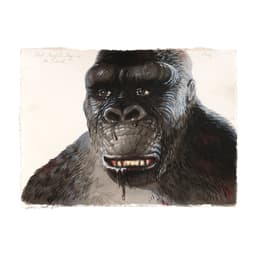
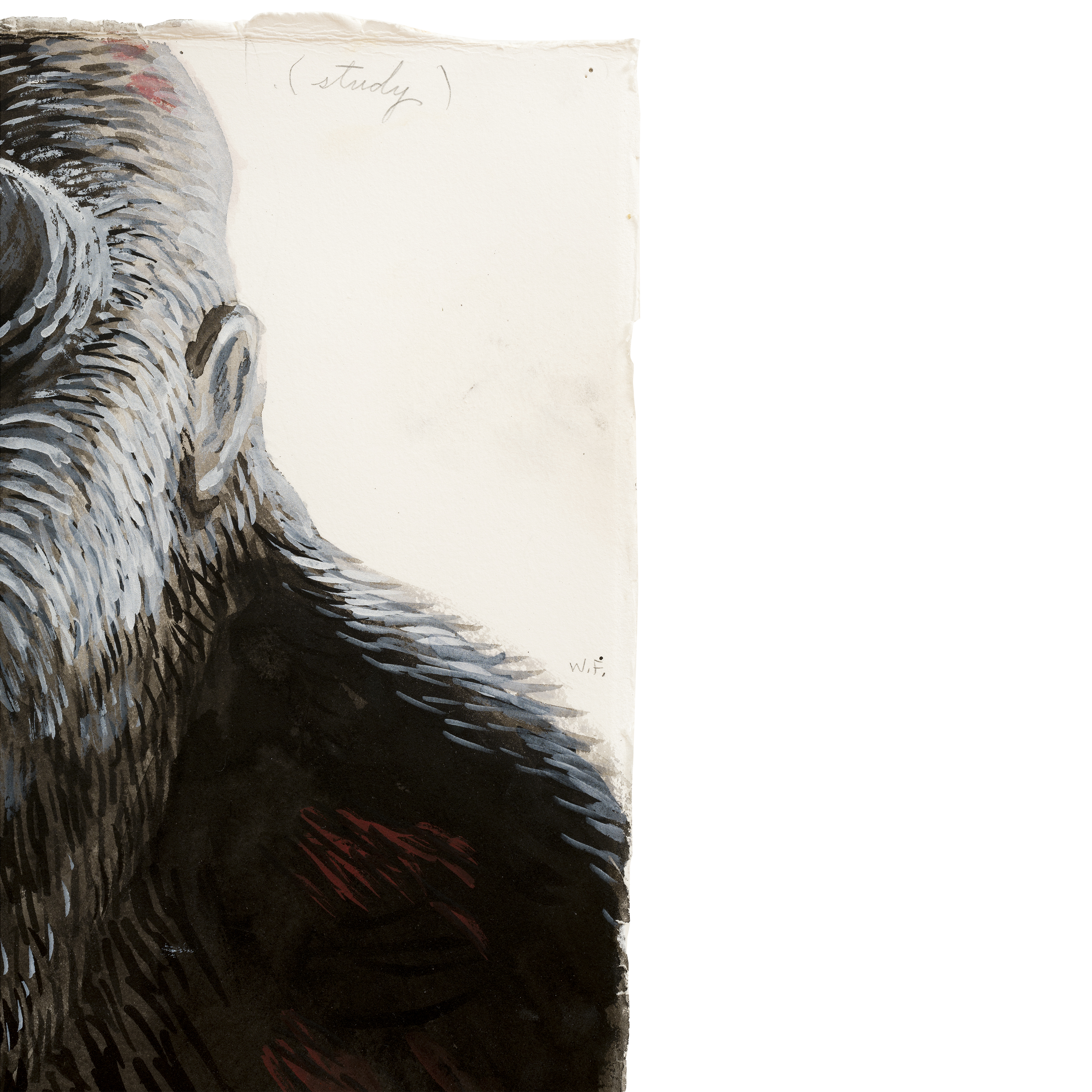
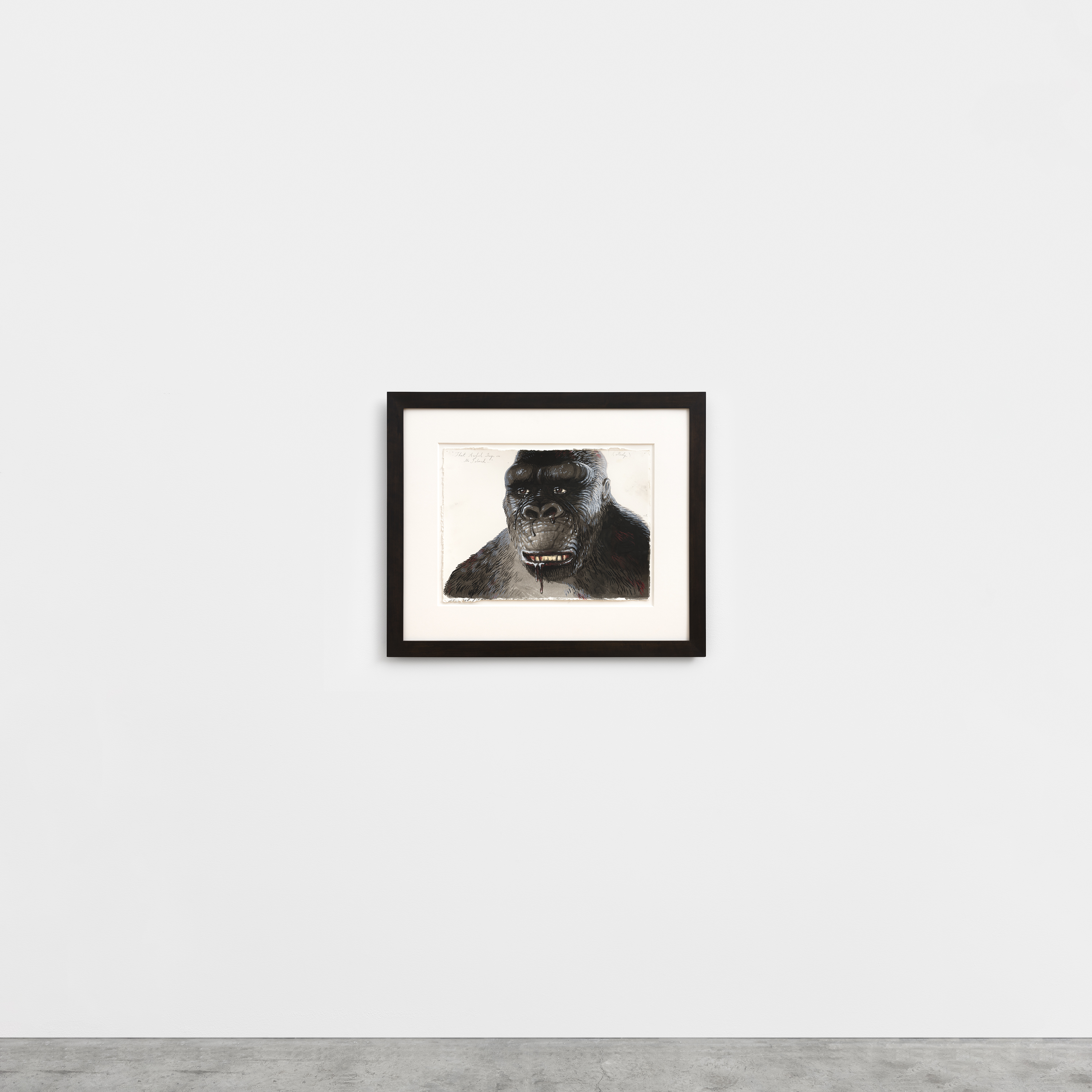
That Awful Day on the Island (Study)
평가하다
USD $60,000 - 80,000
종료
Oct 31, 2:44pm UTC
WALTON FORD (B. 1960)
That Awful Day on the Island (Study)
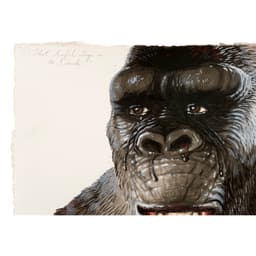
signed with the artist's initials 'W.F.' (center right); titled '"...That Awful Day on the Island..." (study)' (upper edge)
graphite, gouache, and wash on paper
15 x 20 1/2 inches (38.1 x 52.1 cm)
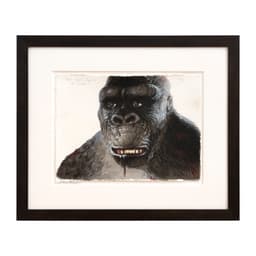
framed: 26 1/4 x 31 1/2 inches (66.7 x 80 cm)
Executed in 2011.
PROVENANCE:
The artist
Private collection, Massachusetts
Private collection, New York, acquired from the above by the present owner
NOTES:
Born in 1960 in Westchester County, New York, Walton Ford lives and works in Manhattan and is celebrated for his monumental watercolors and prints that transform the conventions of natural history illustration into epic narratives about humanity’s entanglement with the animal world. After graduating from the Rhode Island School of Design in 1982, Ford initially considered filmmaking before devoting himself to painting, developing a meticulous technique that fuses scientific accuracy with allegorical depth. His career has been recognized through major institutional exhibitions, including Tigers of Wrath at the Brooklyn Museum, the Norton Museum of Art, and the San Antonio Museum of Art; a European retrospective at the Hamburger Bahnhof in Berlin, the Albertina in Vienna, and the Louisiana Museum of Modern Art in Denmark; and more recent presentations at the Musée de la Chasse et de la Nature in Paris, The Morgan Library & Museum in New York, and the Ateneo Veneto in Venice. His work resides in the collections of the Museum of Modern Art, the Whitney Museum of American Art, the Smithsonian American Art Museum, and Crystal Bridges Museum of American Art, among others.
Ford’s art bridges the grandeur of nineteenth-century naturalist painting with the psychological complexity and storytelling. His animals are never mere subjects of observation but actors in fables that reflect the ambitions, cruelties, and contradictions of human civilization. Drawing upon myths, colonial histories, field illustrations and literature, he constructs scenes in which the natural world mirrors the desires and fears of those who seek to control it. Through a virtuoso use of watercolor and gouache, Ford captures fur, flesh, and feather with scientific precision while imbuing each composition with moral and emotional resonance. His practice invites viewers to confront the uneasy proximity between beauty and violence, instinct and reason, science and imagination.
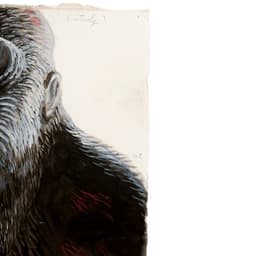
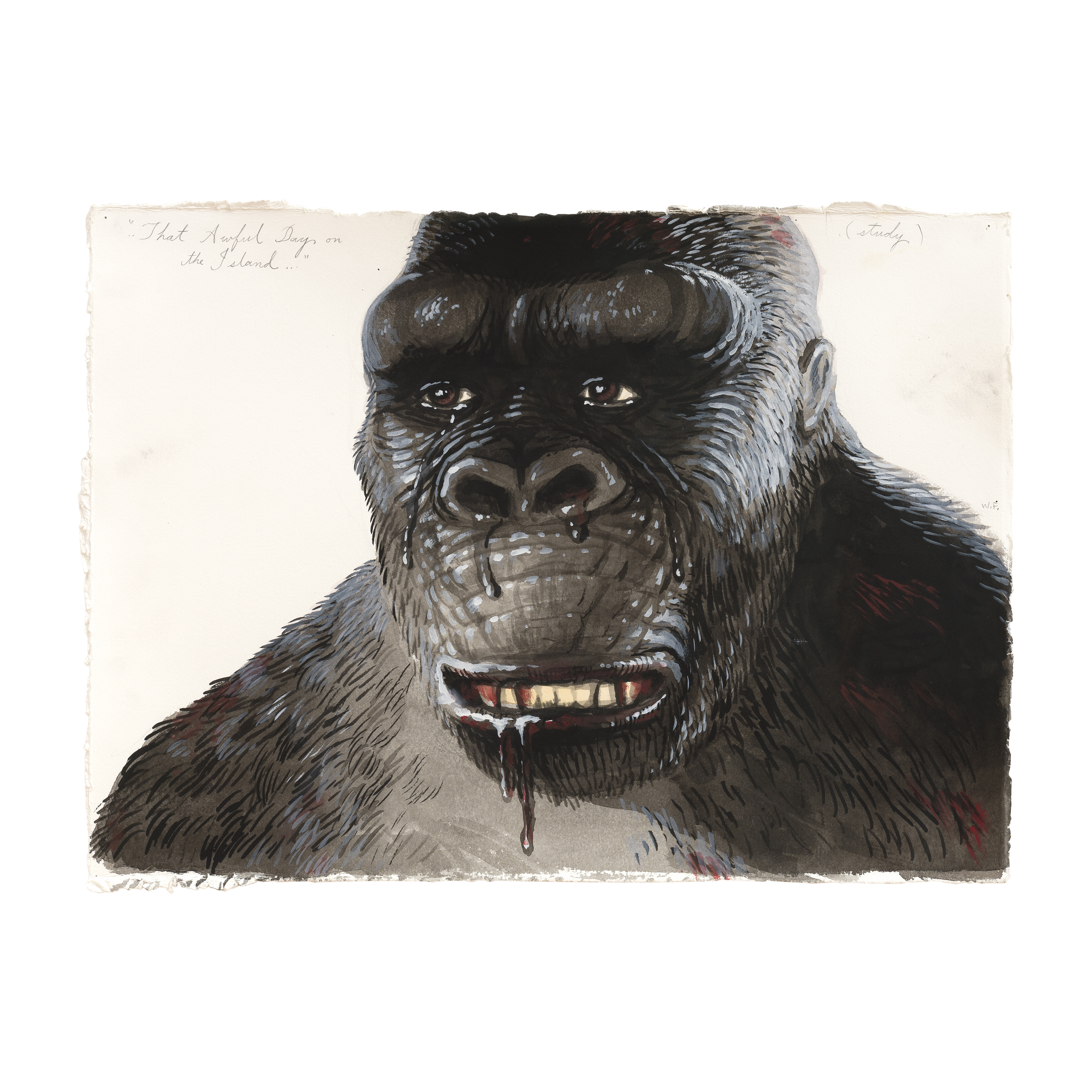
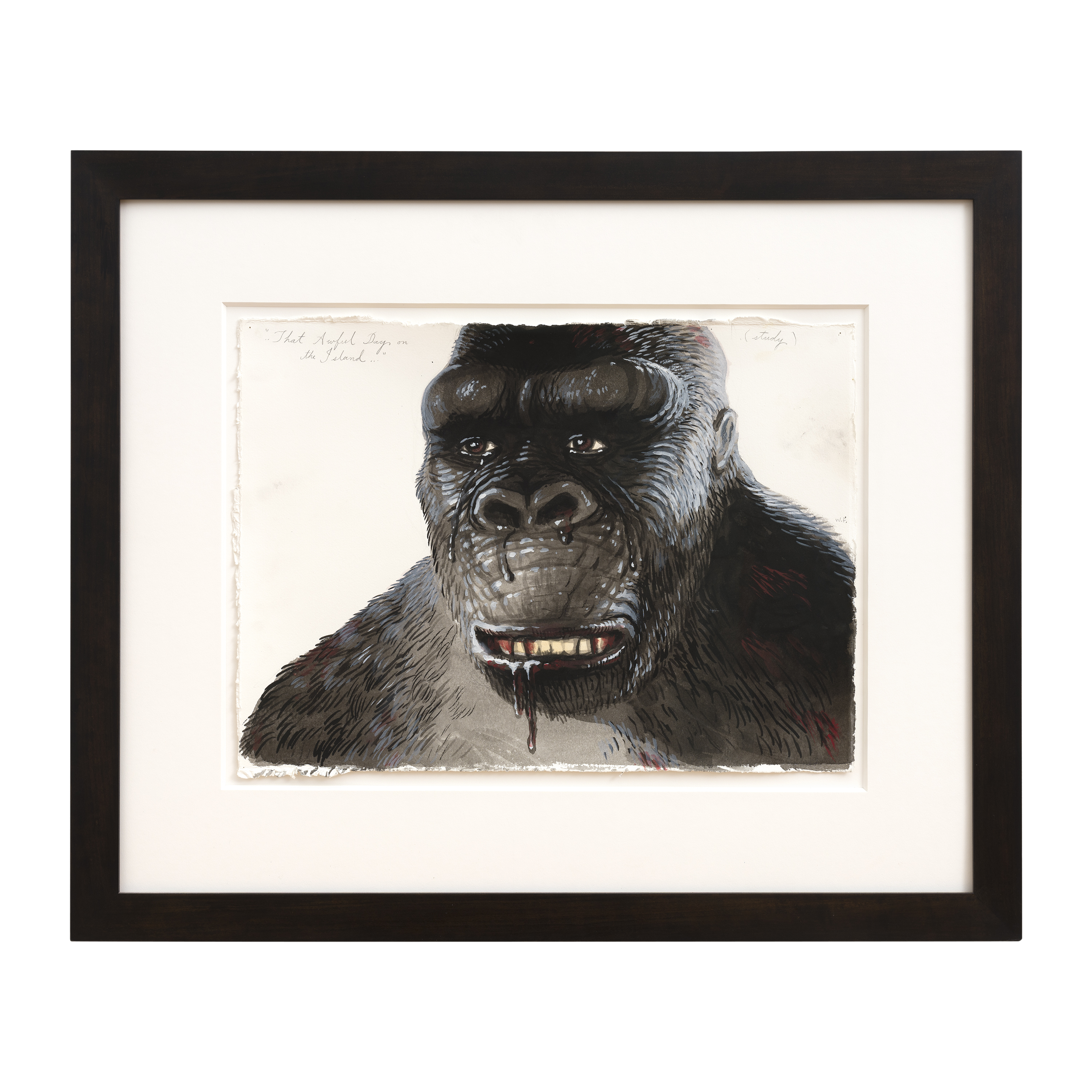
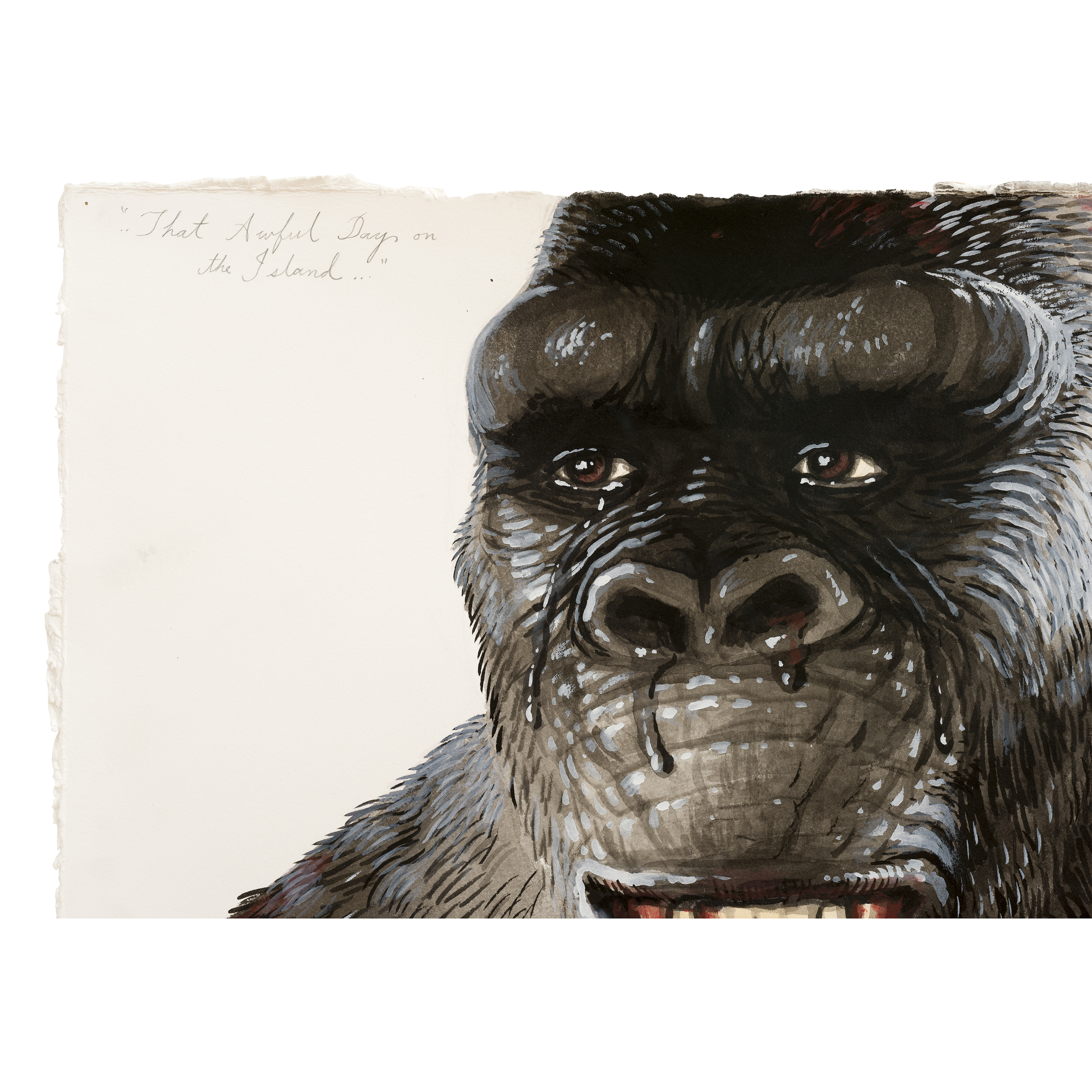
That Awful Day on the Island, painted in 2011, forms part of Ford’s celebrated series of works inspired by the 1933 film King Kong. In this poignant image, Kong is rendered not as a spectacle of terror but as a creature of sorrow and humiliation. Sweat and drool glisten upon his immense form, his gaze heavy with grief—the grief, as Ford sees it, “of the unloved.” Executed in graphite, gouache, and wash, the work distills the pathos of the misunderstood beast into a composition of startling intimacy. By humanizing a cinematic monster, Ford exposes the moral inversion at the heart of the myth: that the true brutality lies not in the animal’s violence, but in the human impulse to dominate, exploit, and reject what it cannot understand. Through his virtuosic technique and narrative intelligence, Ford transforms That Awful Day on the Island into both a lament and a mirror, reflecting the fragility of empathy in the face of fear.