

OMEGA
Speedmaster 2915-3 Tropical Dial
Estimate
USD $40,000 - 60,000
Closed
Aug 11, 5:50pm UTC
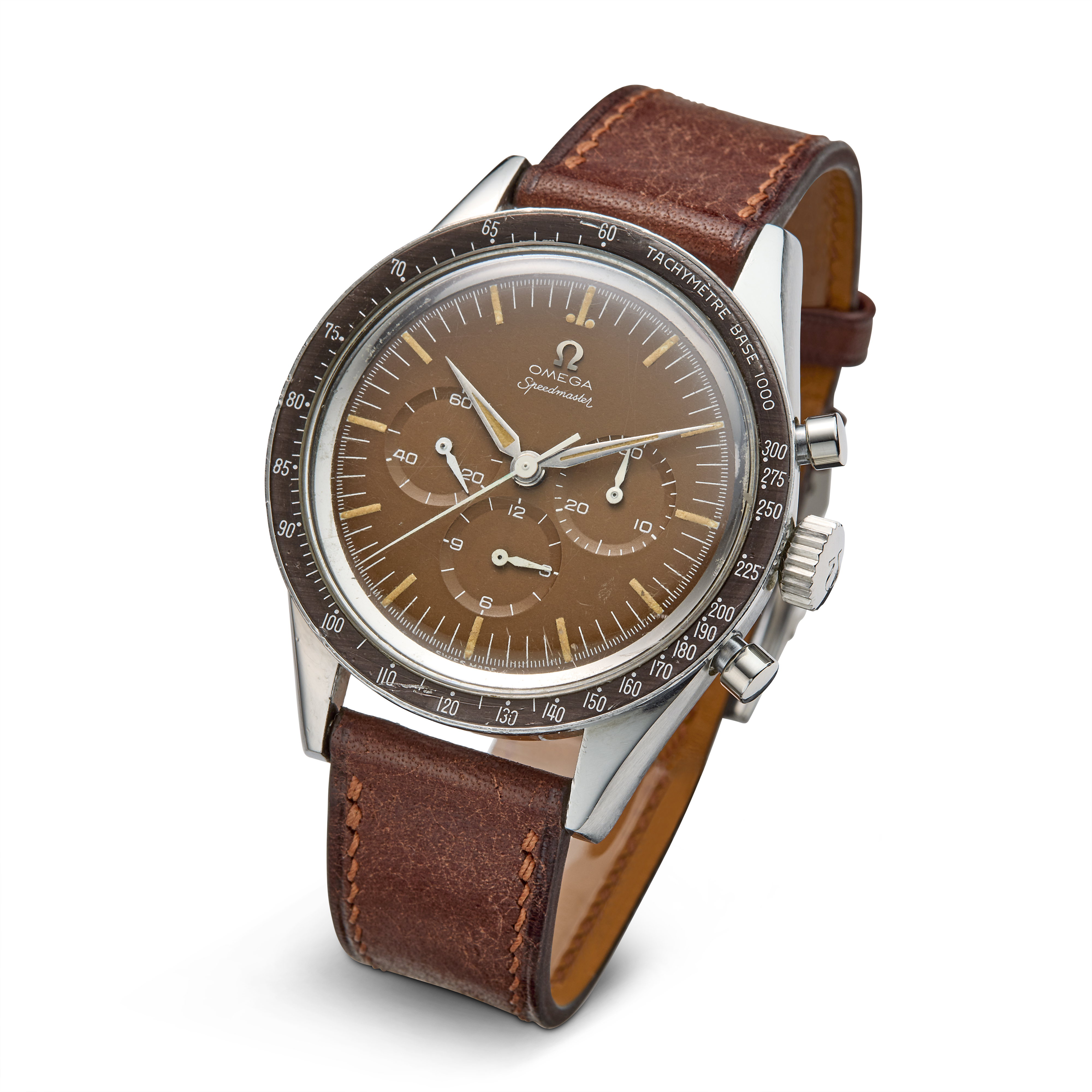
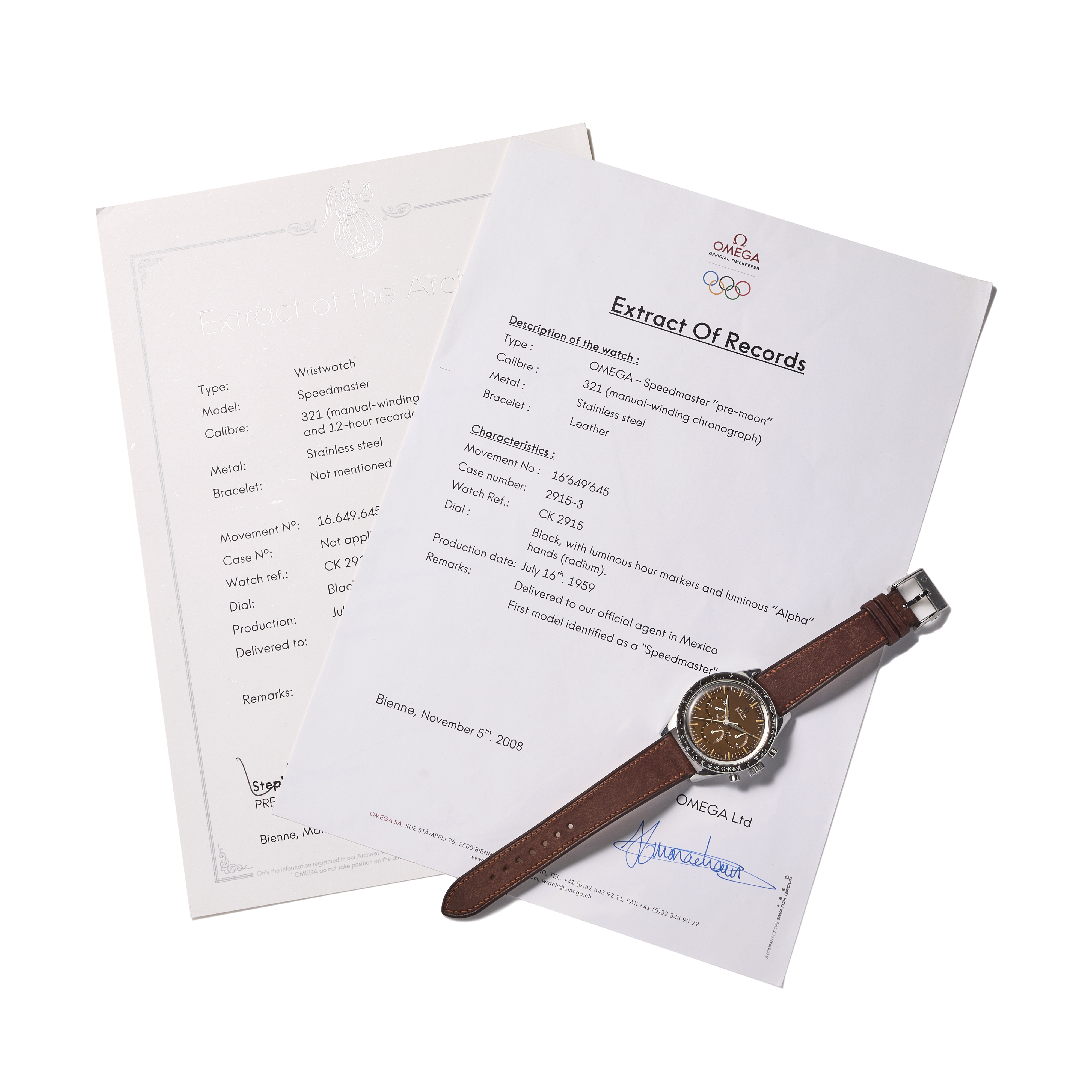
The Omega Speedmaster CK2915-3 sits at a fascinating point in Speedmaster history. It is the third and final iteration of reference 2915, the very first Speedmaster, produced across three variants (2915-1, -2, and -3) between 1957 and roughly 1959. The 2915-3 is often referred to as a "transitional" reference because it straddles the earliest Speedmasters and the more familiar 2998 that followed and eventually went to space with Wally Schirra in 1962.
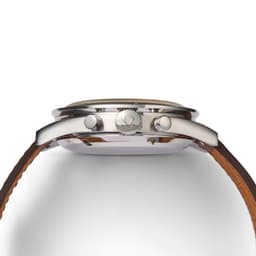
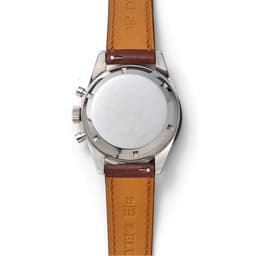
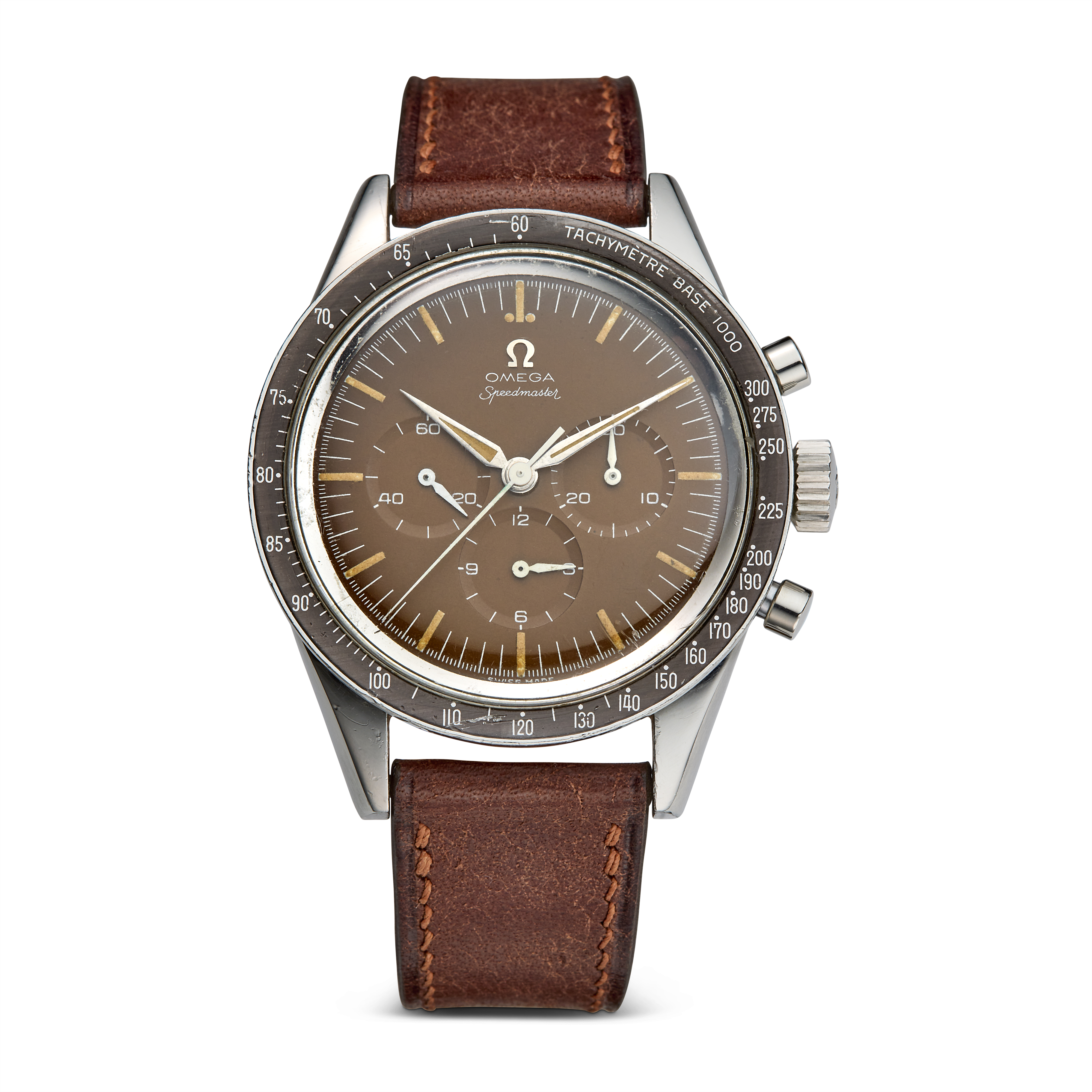
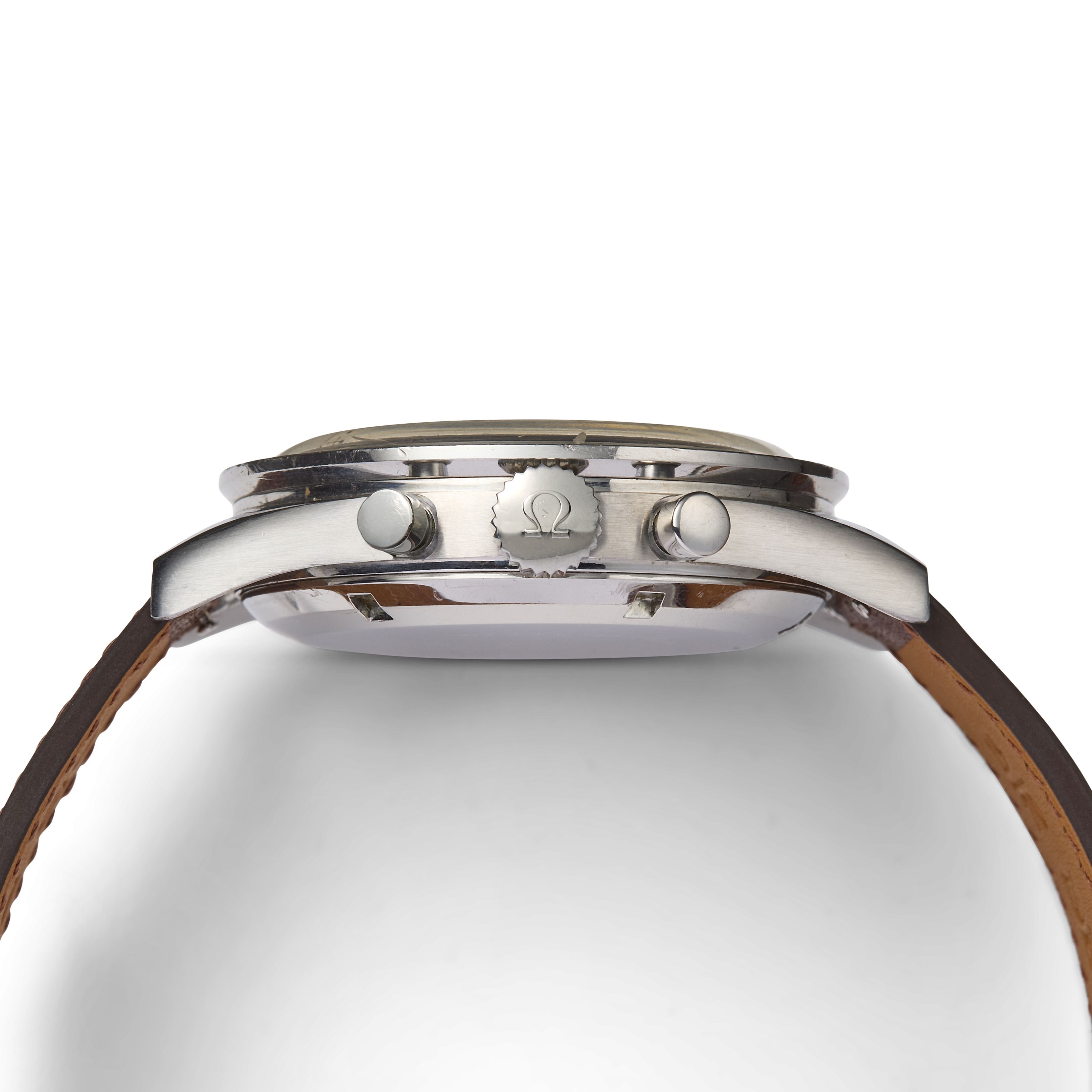
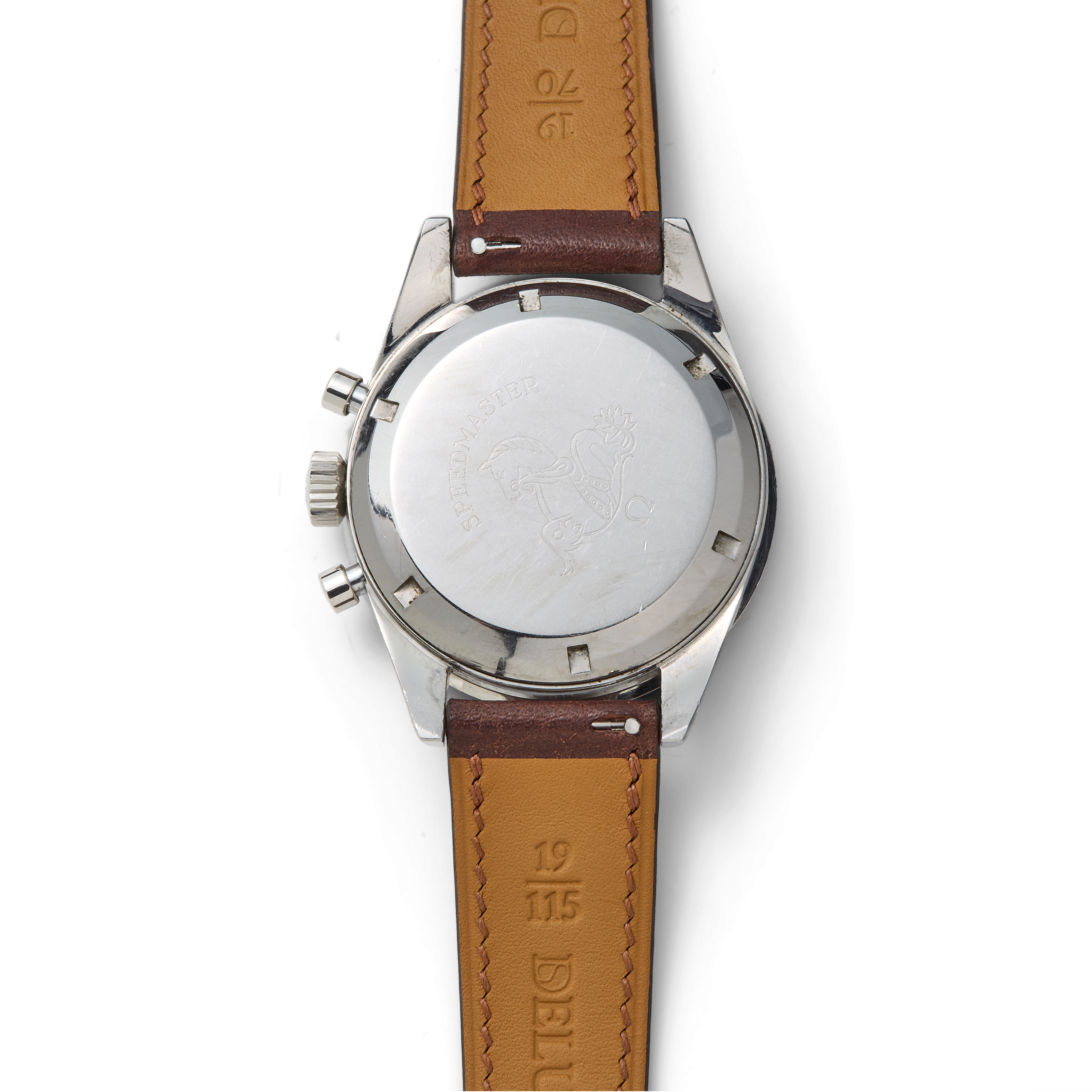
The original 2915 launched in 1957 and introduced two ideas that would define the Speedmaster for the next seven decades. The first was a 38.6mm stainless steel case with straight lugs, still slim by later standards but robust for its era. The second, more radically, was moving the tachymeter scale off the dial and onto the bezel — a layout no chronograph had used before, one every subsequent Speedmaster has kept, and a design cue adopted by nearly every other chronograph maker since. Below the bezel sits a matte black dial with a stepped edge, dash-shaped hour markers filled with radium lume, and three recessed sub-registers: a 30-minute counter at 3 o'clock, a 12-hour counter at 6 o'clock, and running seconds at 9 o'clock. The present example is further distinguished by the rich "tropical" patina its dial has developed over the intervening decades.
What sets the 2915-3 apart from its two predecessors is that it marks the point where Omega started experimenting with alternative components rather than running one consistent specification. Depending on the individual watch, a 2915-3 can turn up with either the original broad arrow handset (wide, arrow-tipped hour and minute hands) or the simpler Alpha hands that would become the norm on later Speedmasters, and with either a plain stainless steel bezel or one fitted with a black bezel insert, the format Omega would standardize going forward. That inconsistency makes the 2915-3 a uniquely interesting snapshot of Omega refining the Speedmaster template as it went.
Every 2915 variant, including the -3, was built around Omega's Caliber 321, a hand-wound, column-wheel chronograph movement developed from Lemania's CH-family architecture. That movement, prized today for the tactile feel of its column-wheel actuation, remained in the Speedmaster until the late 1960s, when it was replaced by the Caliber 861.