NASA
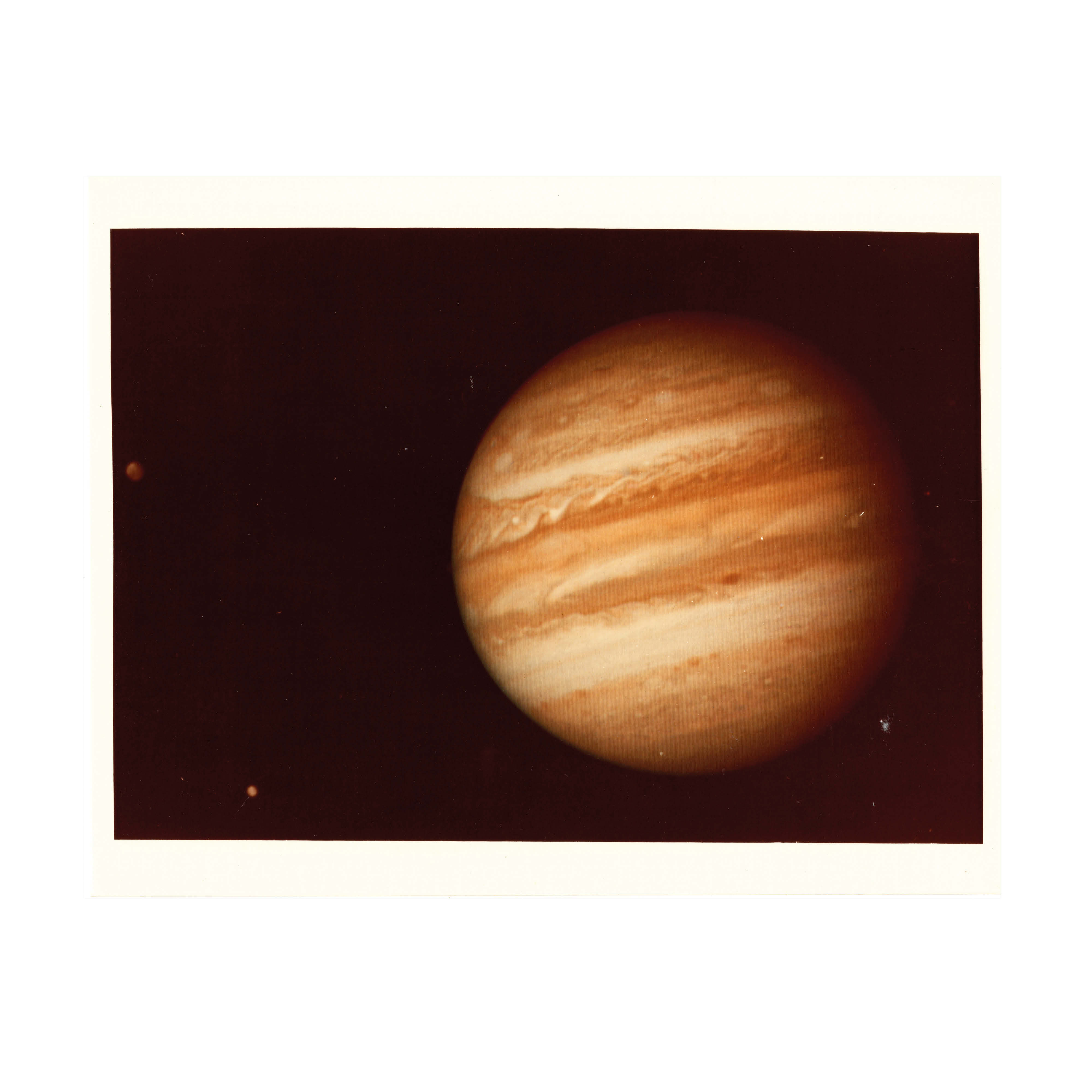
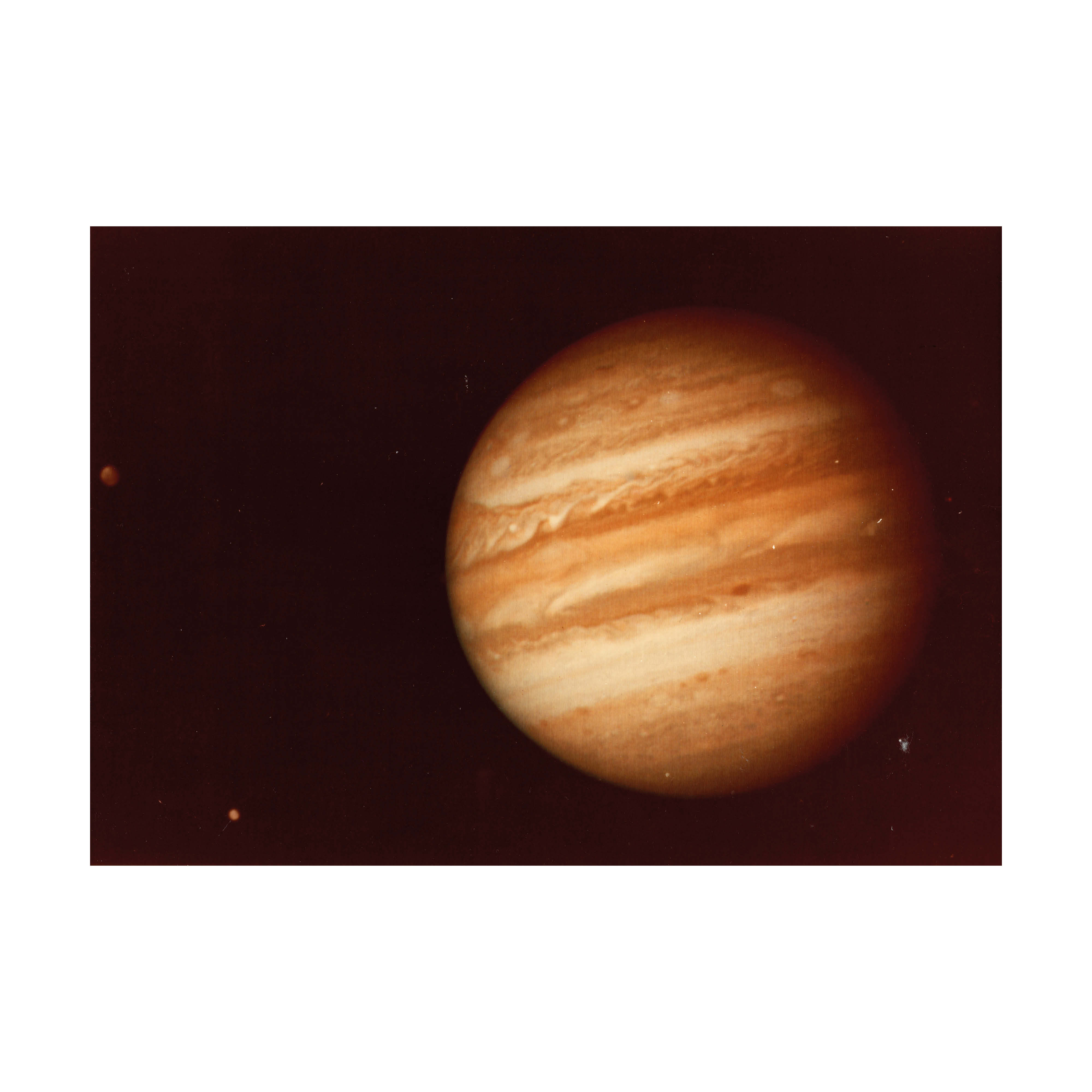
Jupiter and Its Great Red Spot
평가하다
USD $7,000 - 10,000
종료
Jul 1, 2:14pm UTC
NASA
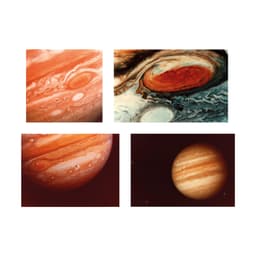
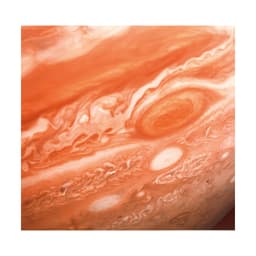
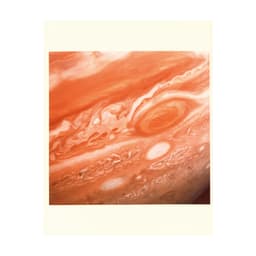
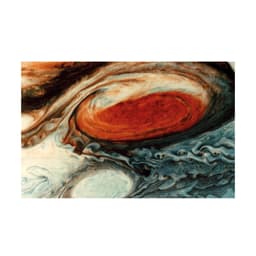
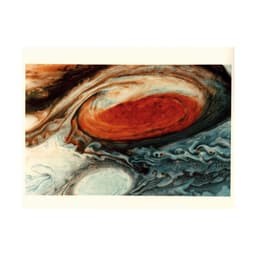
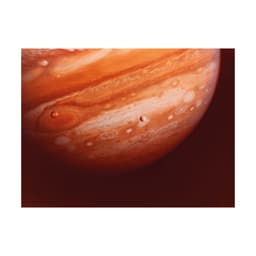
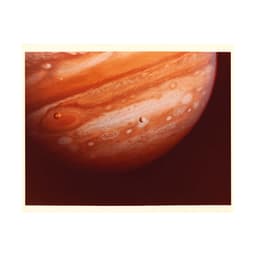
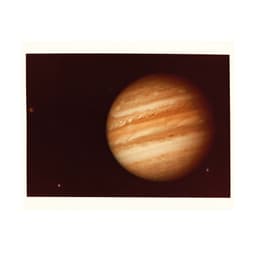
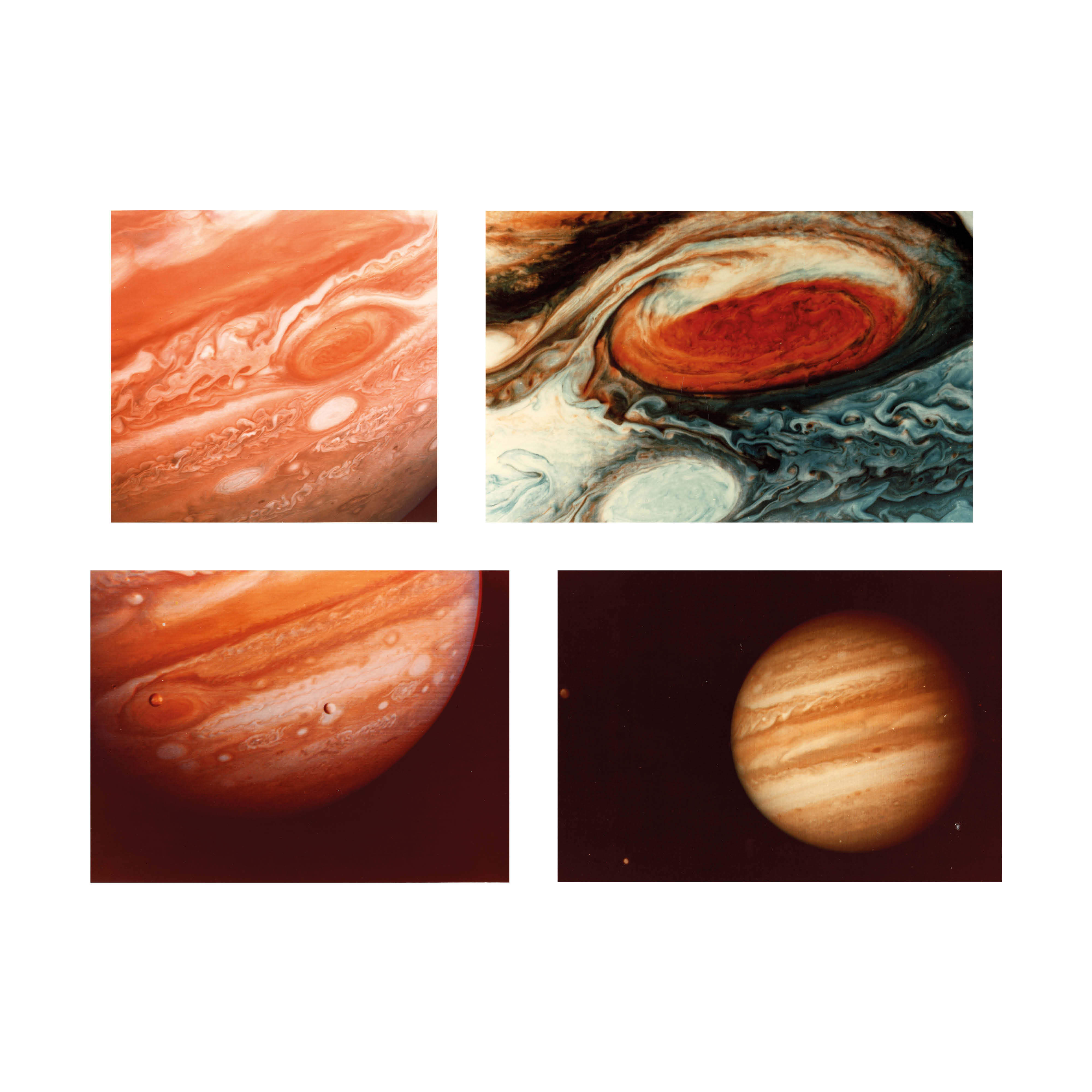
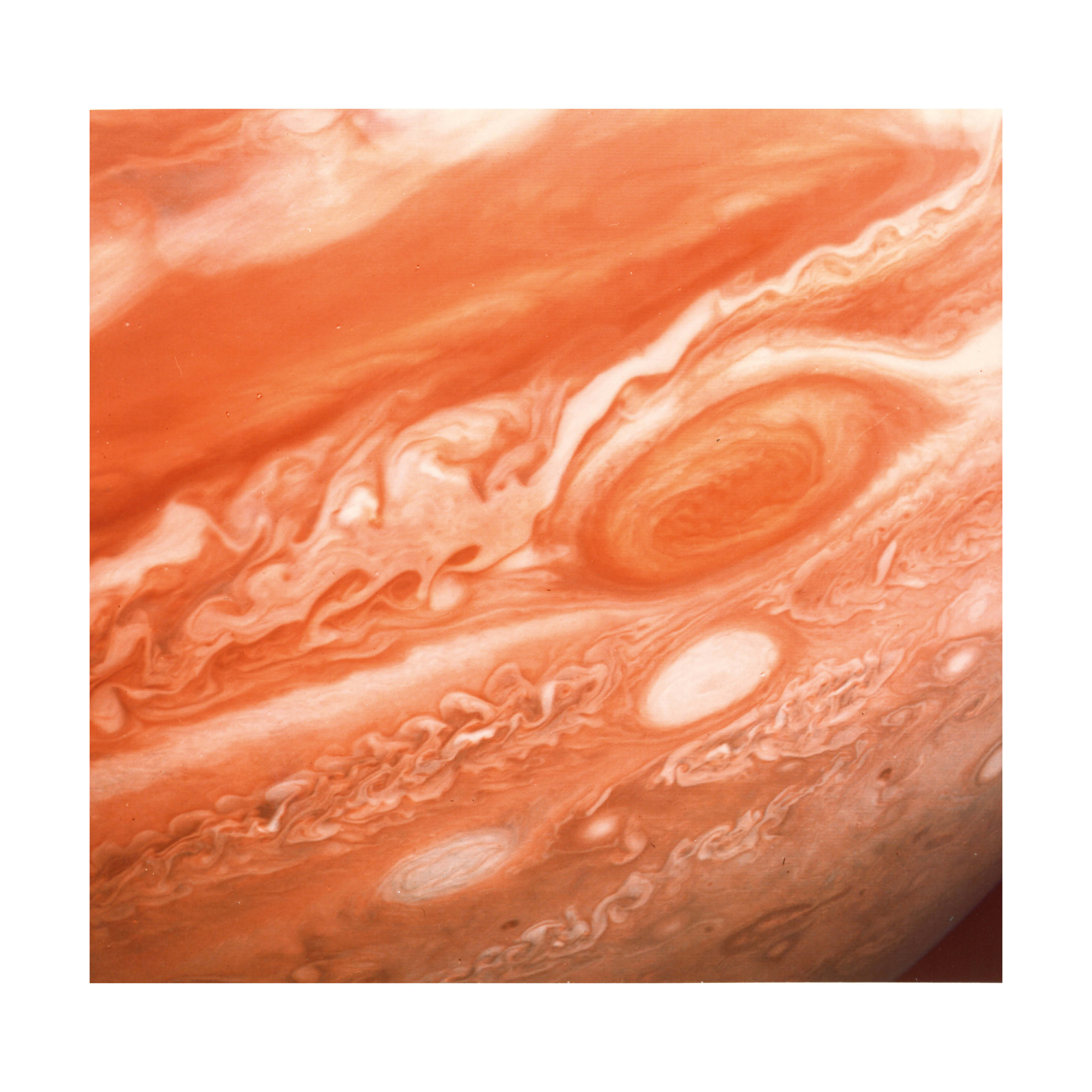
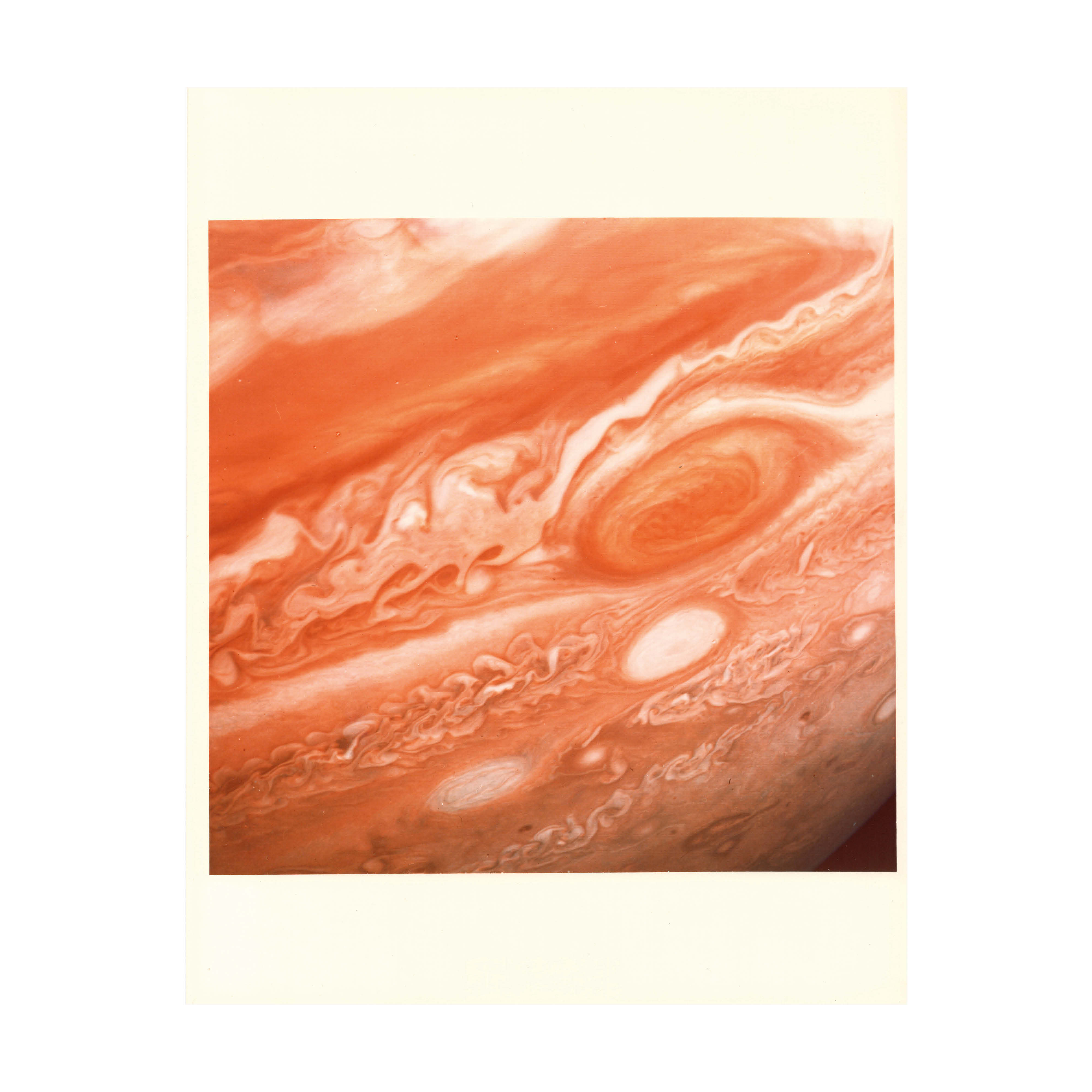
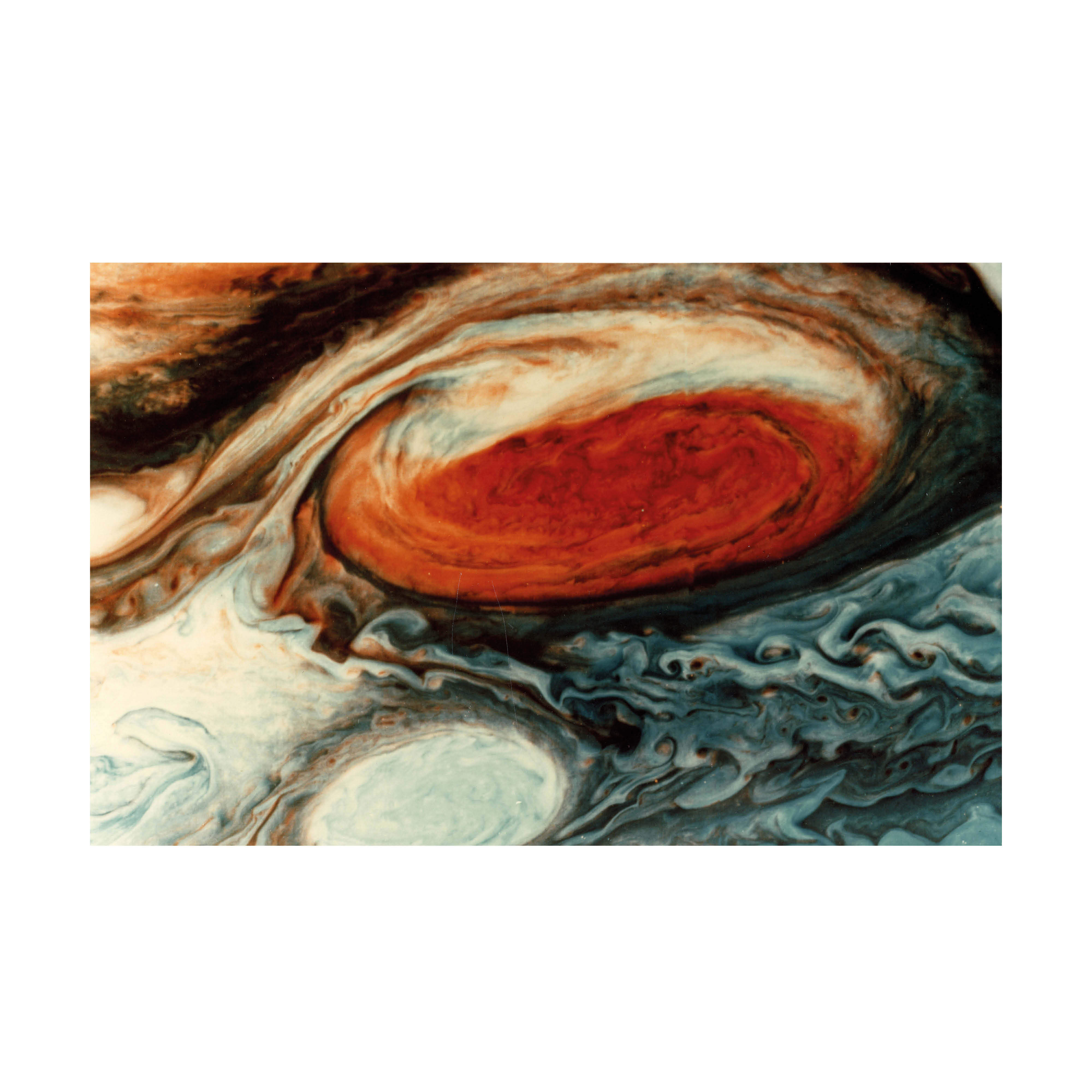
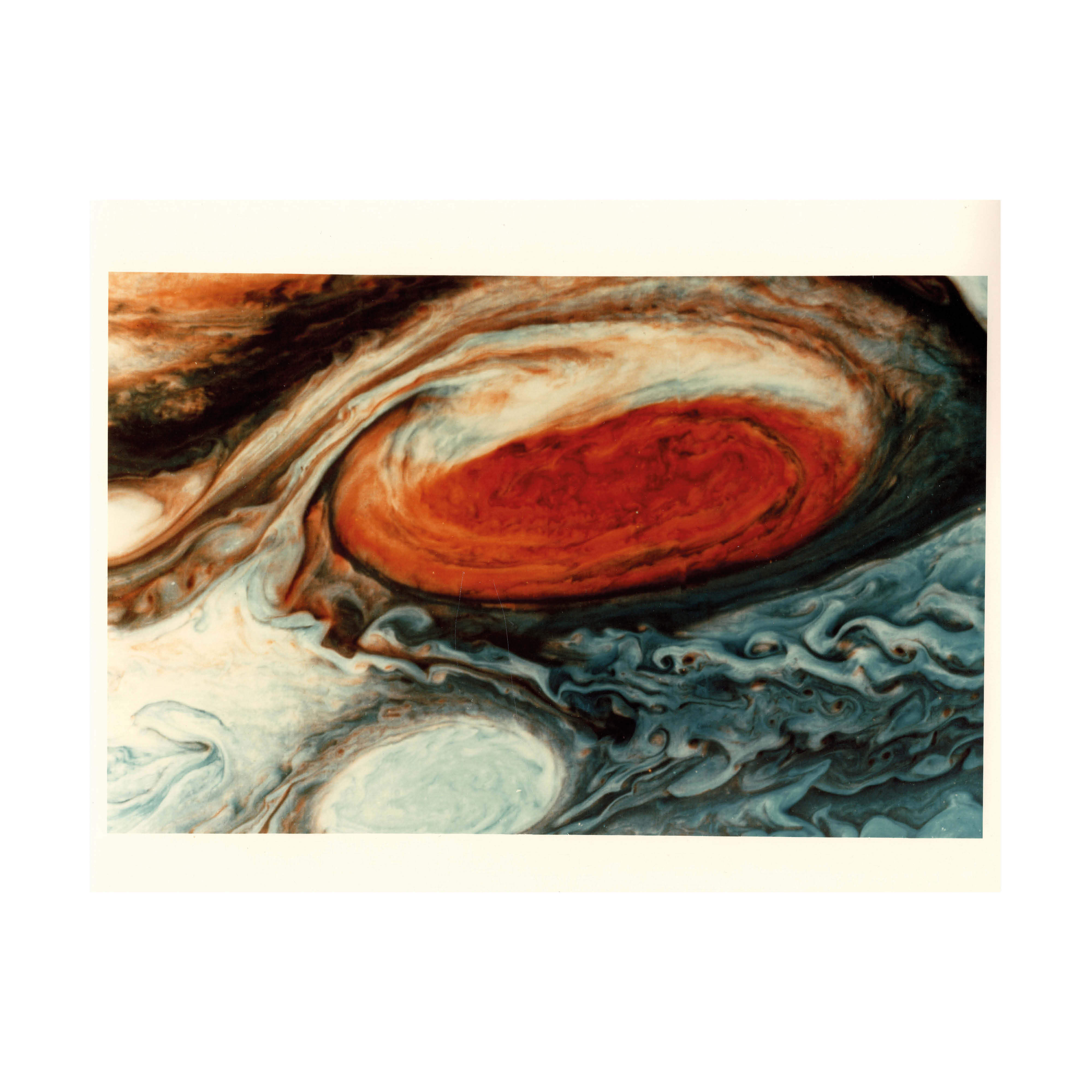
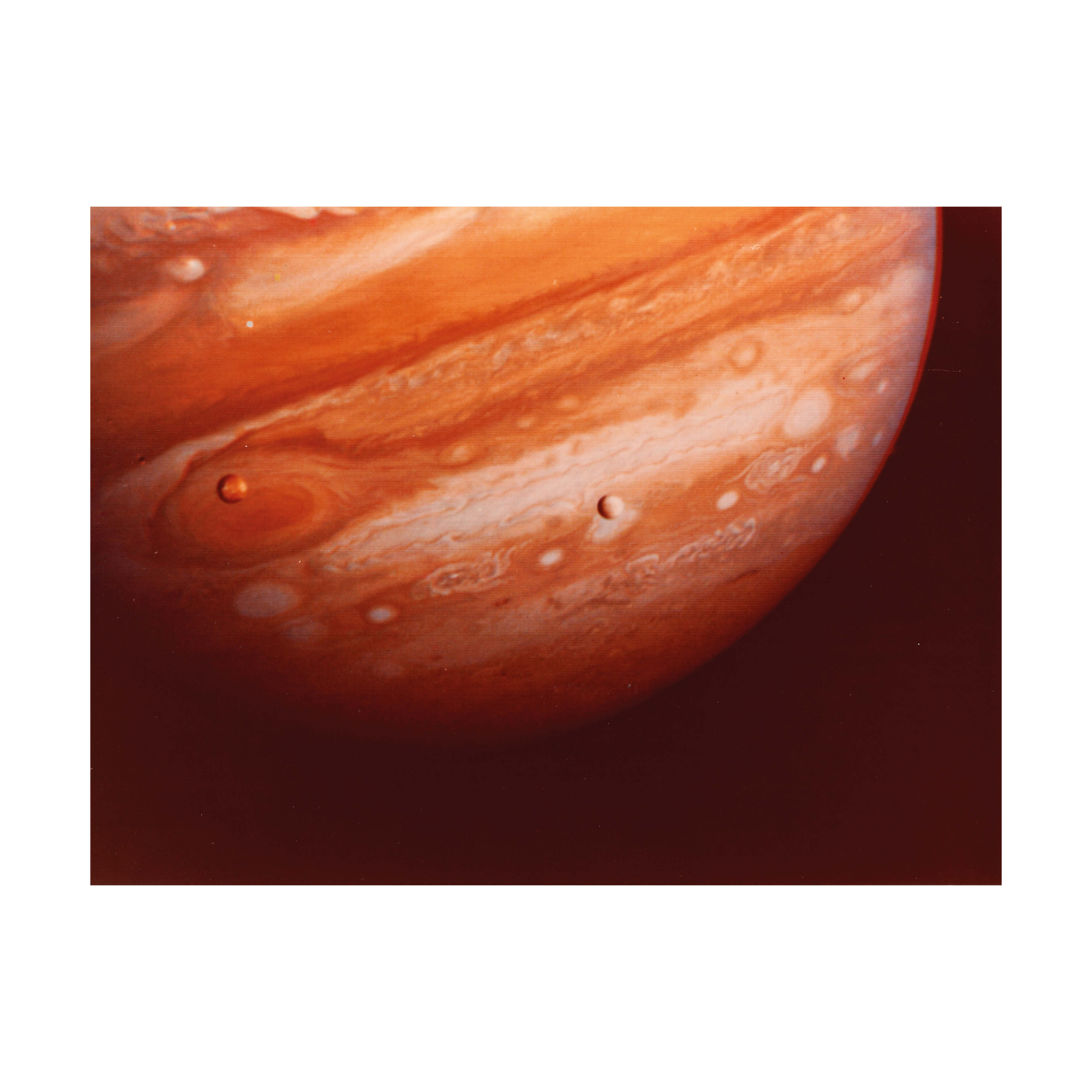
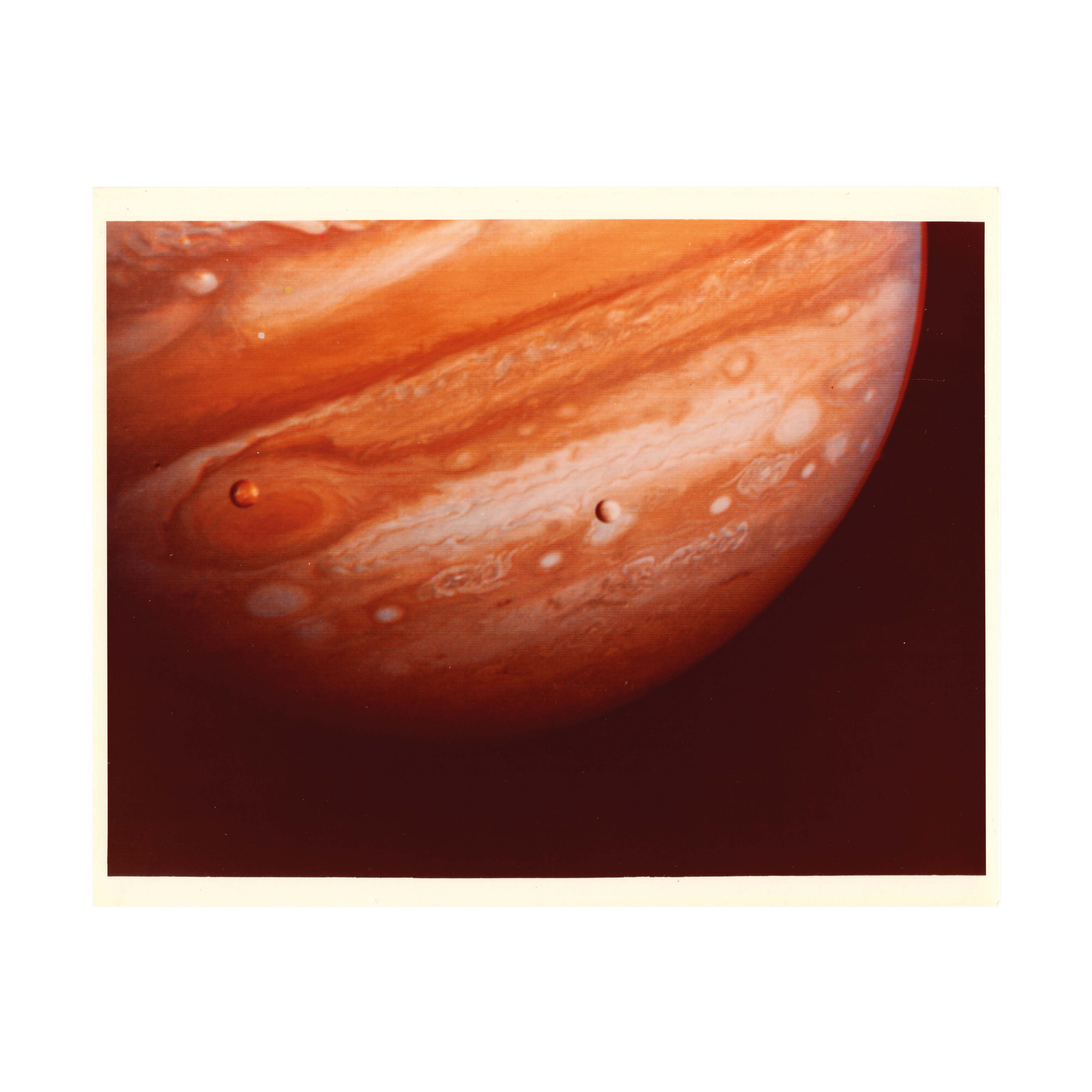
Jupiter and Its Great Red Spot from Jet Propulsion Laboratory, Voyager 1, 1979
watermarked 'This Paper Manufactured by Kodak'
four chromogenic prints
each: 8 x 10 inches (20.3 x 25.4 cm)
Executed in 1979.
On 25 February 1979, as the Voyager 1 spacecraft approached Jupiter from 9.2 million kilometers (5.7 million miles) away, it transmitted the first detailed image of the planet’s Great Red Spot, revealing cloud structures as small as 160 kilometers (99 miles) across. A vast high-pressure region in Jupiter’s atmosphere, the Great Red Spot is an anticyclonic storm—the largest in the Solar System—located 22 degrees south of the planet’s equator, with wind speeds reaching up to 432 km/h (268 mph).
Believed to have persisted for at least 357 years, the storm may have first been observed as early as 1665. While the initial sighting has often been attributed to Robert Hooke, it is now thought he more likely recorded the shadow of a transiting moon. Credit is more commonly given to Giovanni Cassini, who documented the storm in 1665 and continued observing it through 1713 (see lot 11). It was next recorded on September 5, 1831, with regular observations becoming continuous by 1878.
In the 21st century, however, the Great Red Spot has been steadily shrinking. By 2004, its longitudinal span had diminished to roughly half its size a century earlier, when it measured approximately 40,000 kilometers (25,000 miles)—nearly three times the diameter of Earth. At its current rate of reduction, scientists estimate it could become nearly circular by 2040.