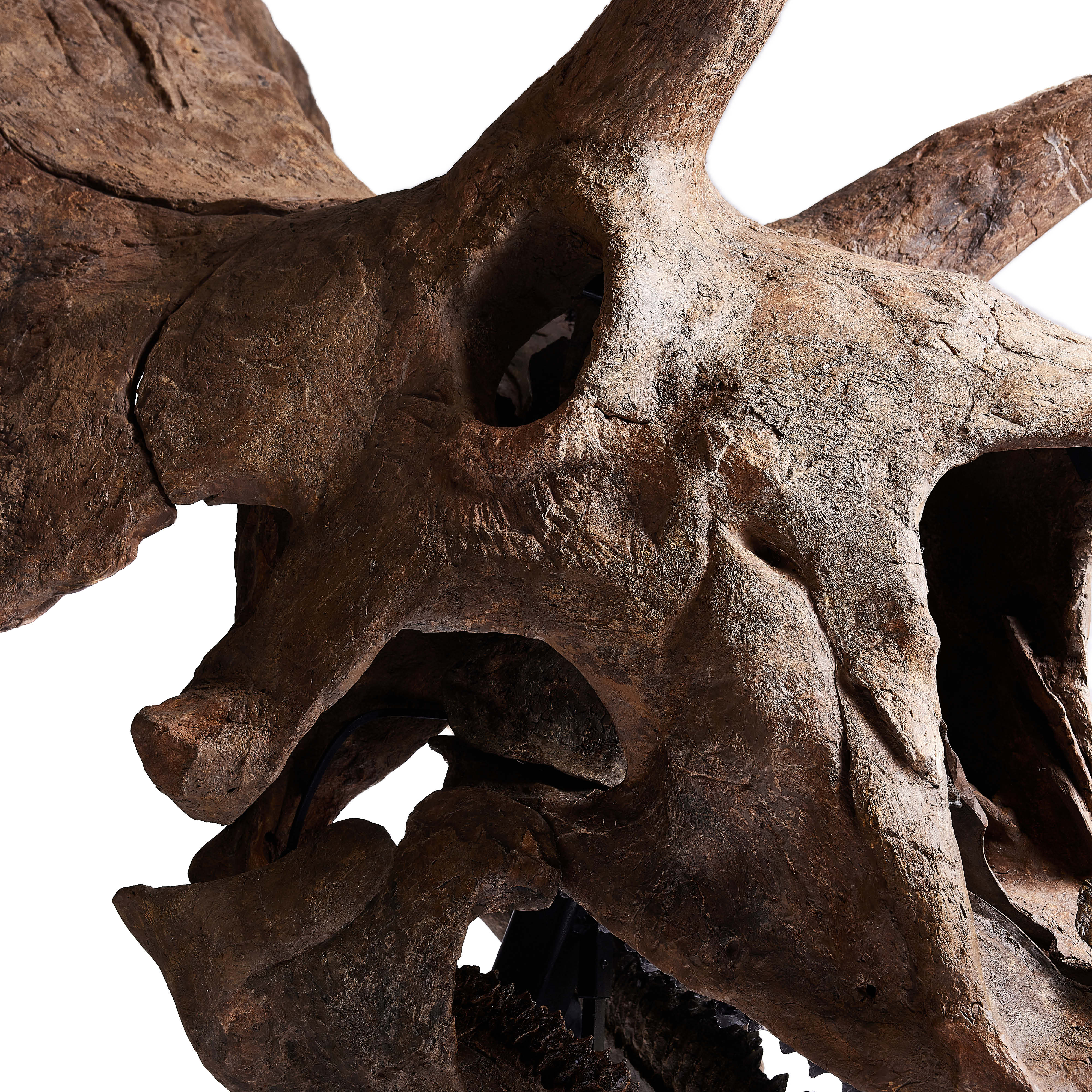
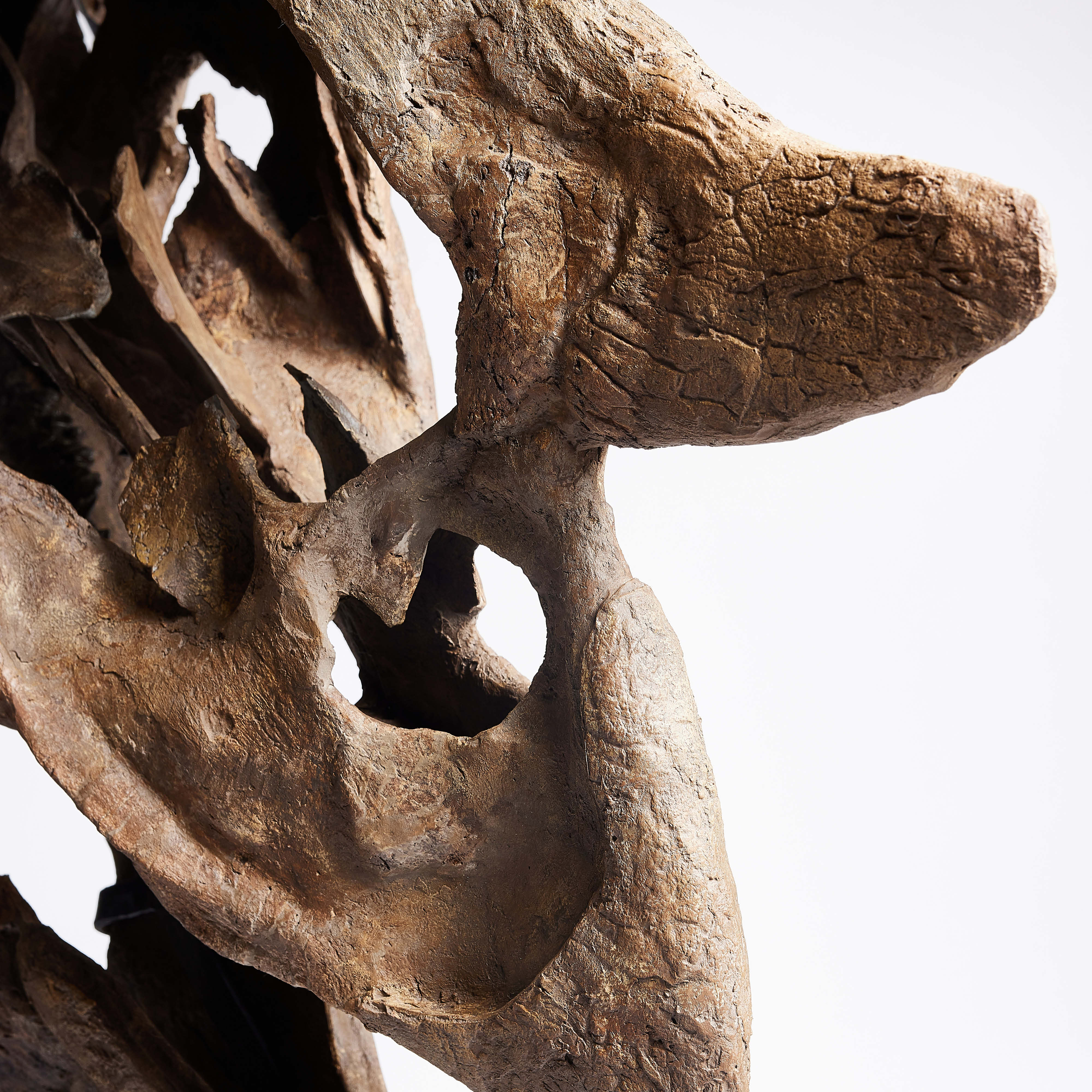
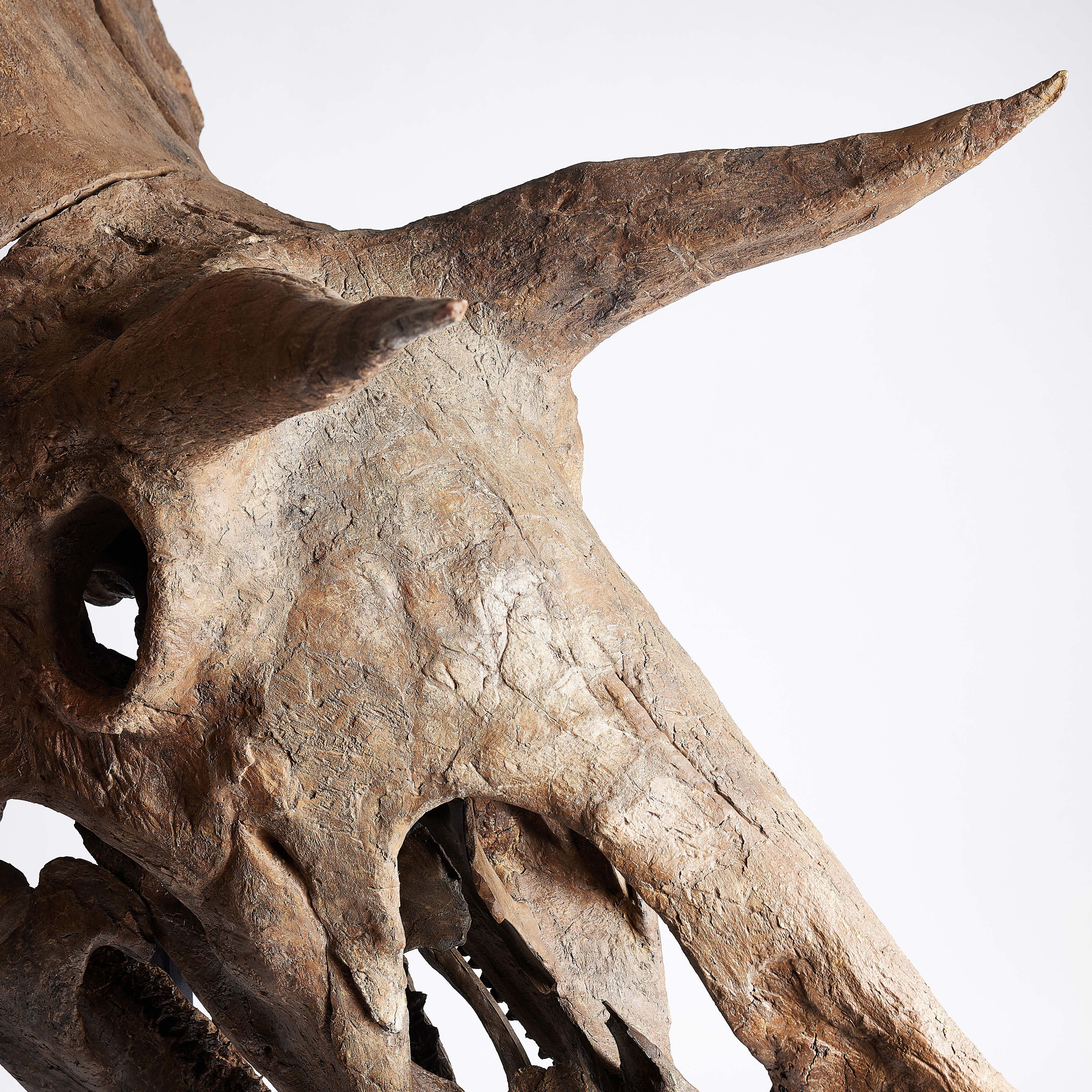
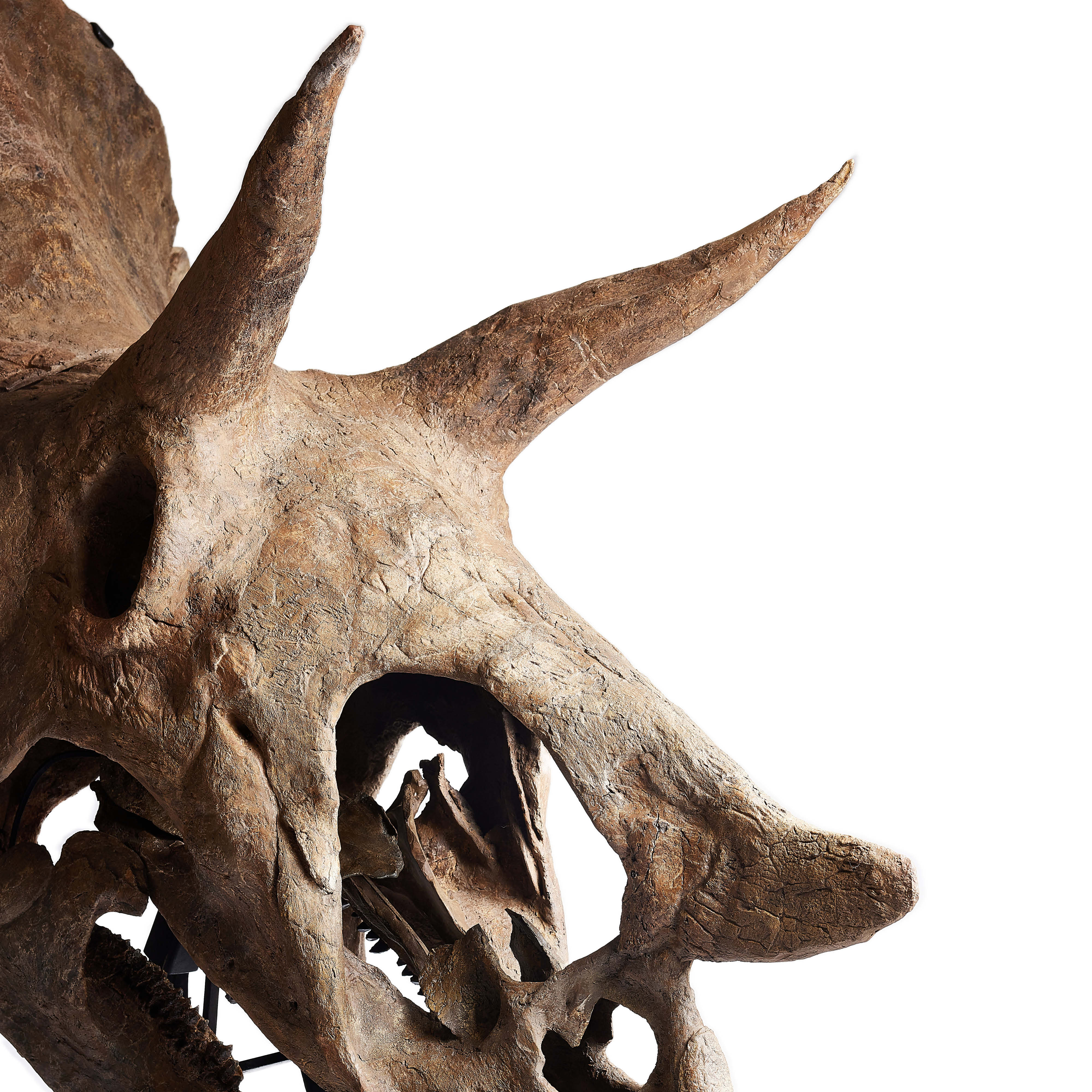
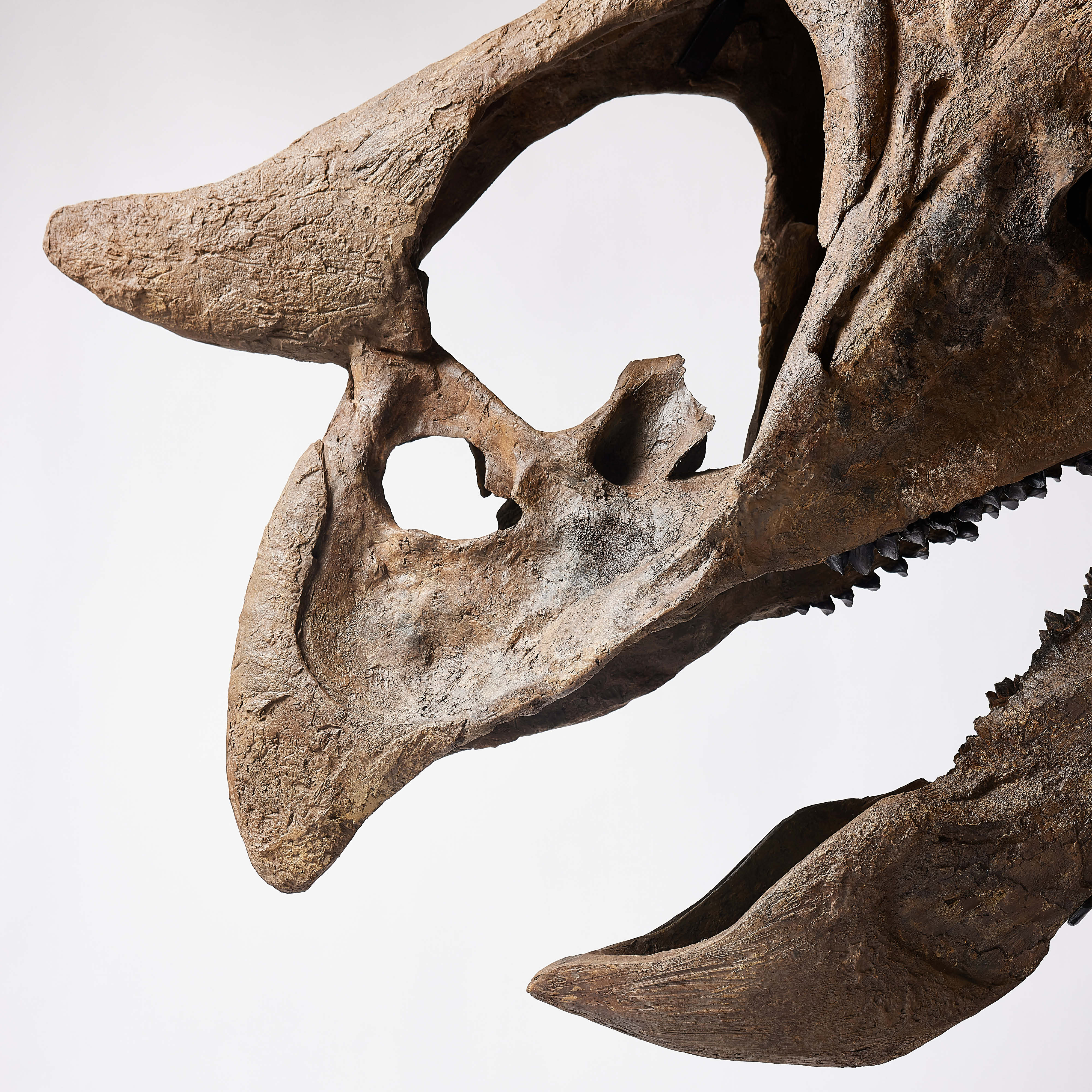
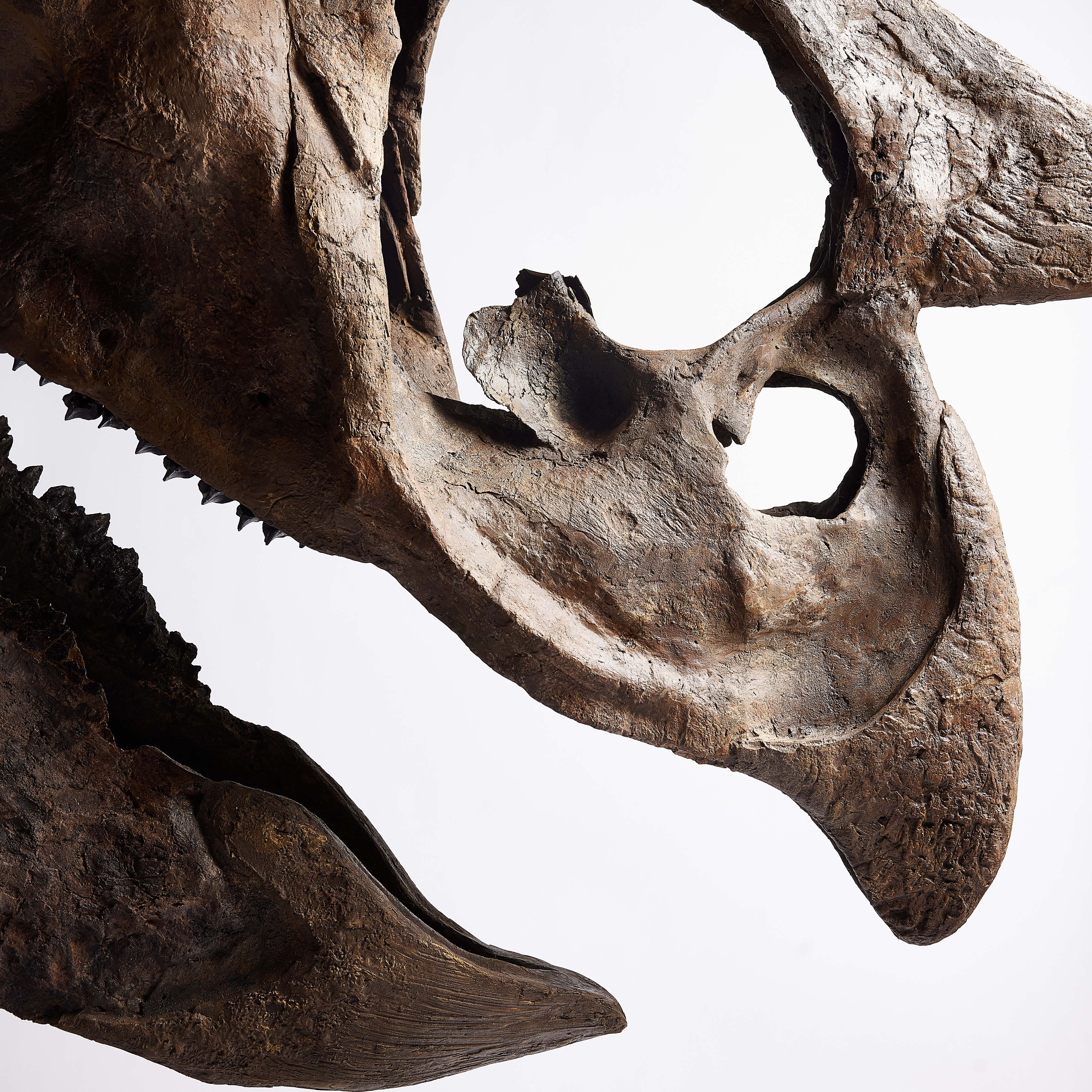
A TOP-DECILE TRICERATOPS SKULL
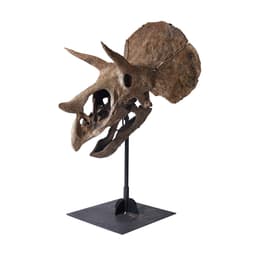
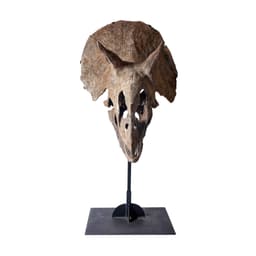
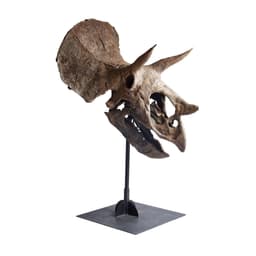
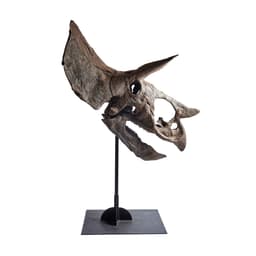
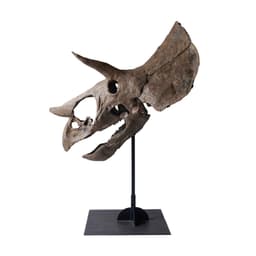
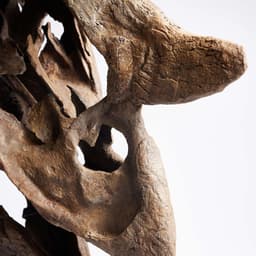
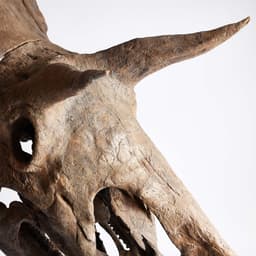
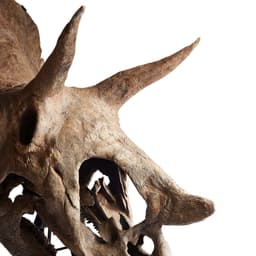
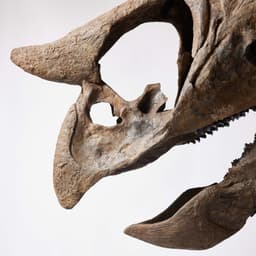
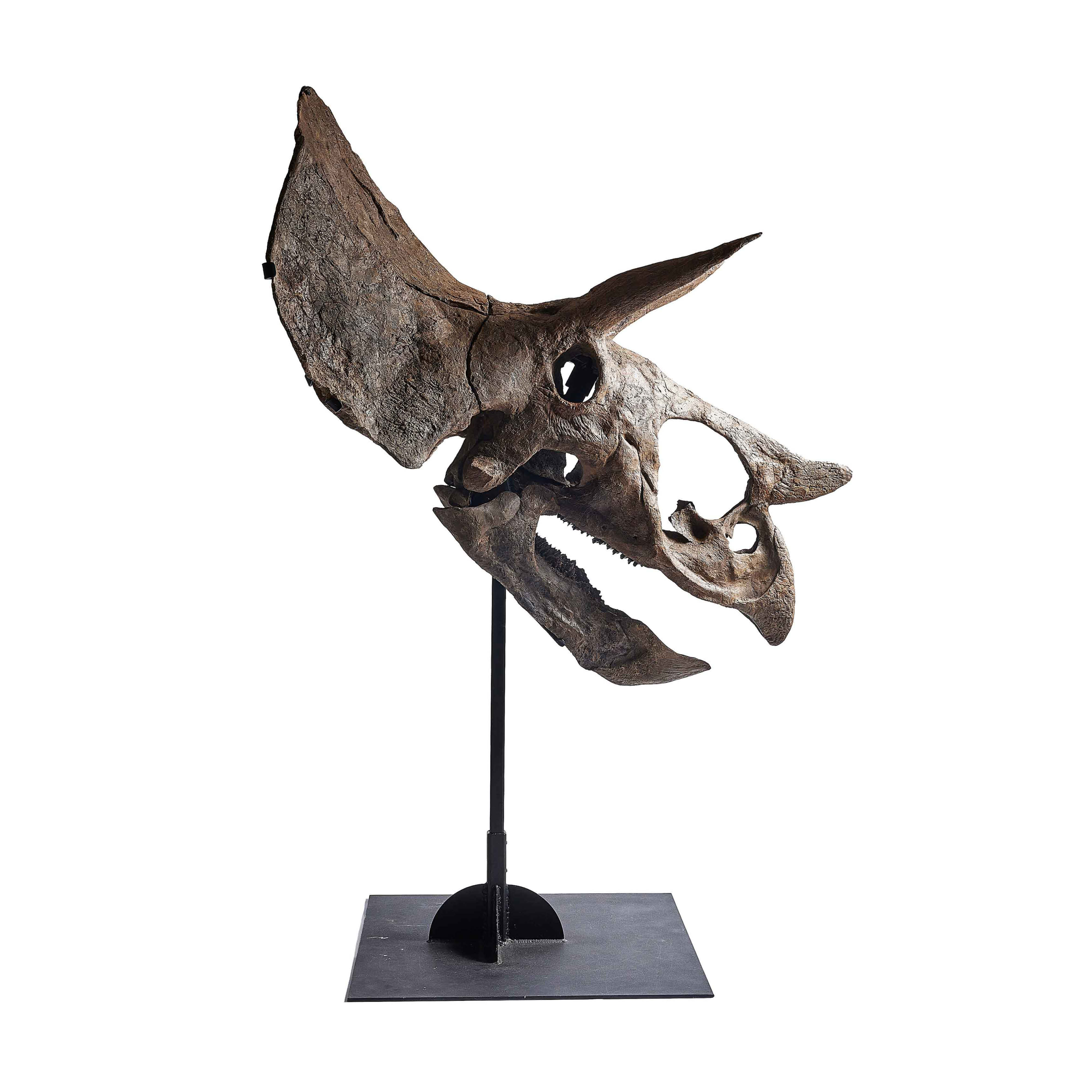
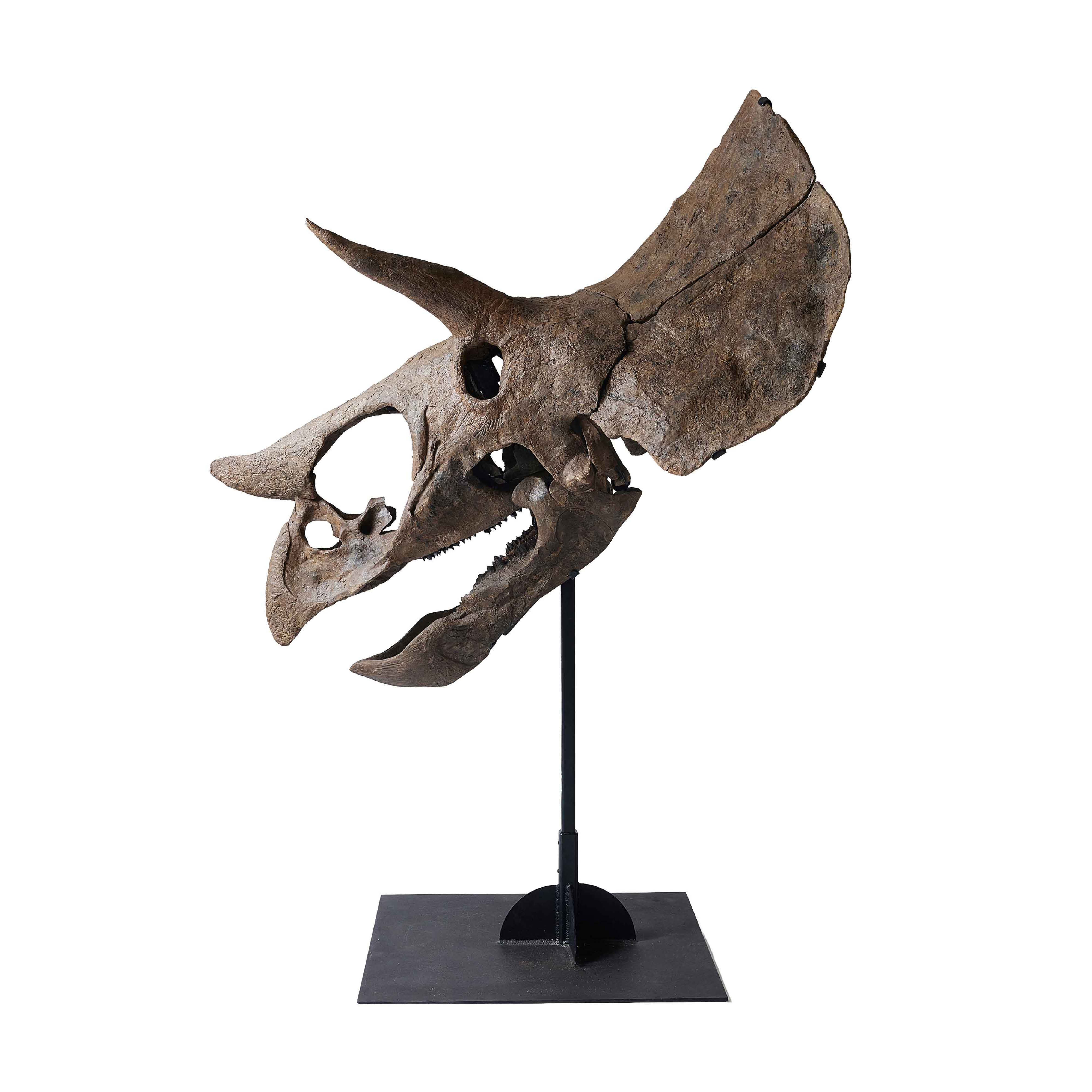
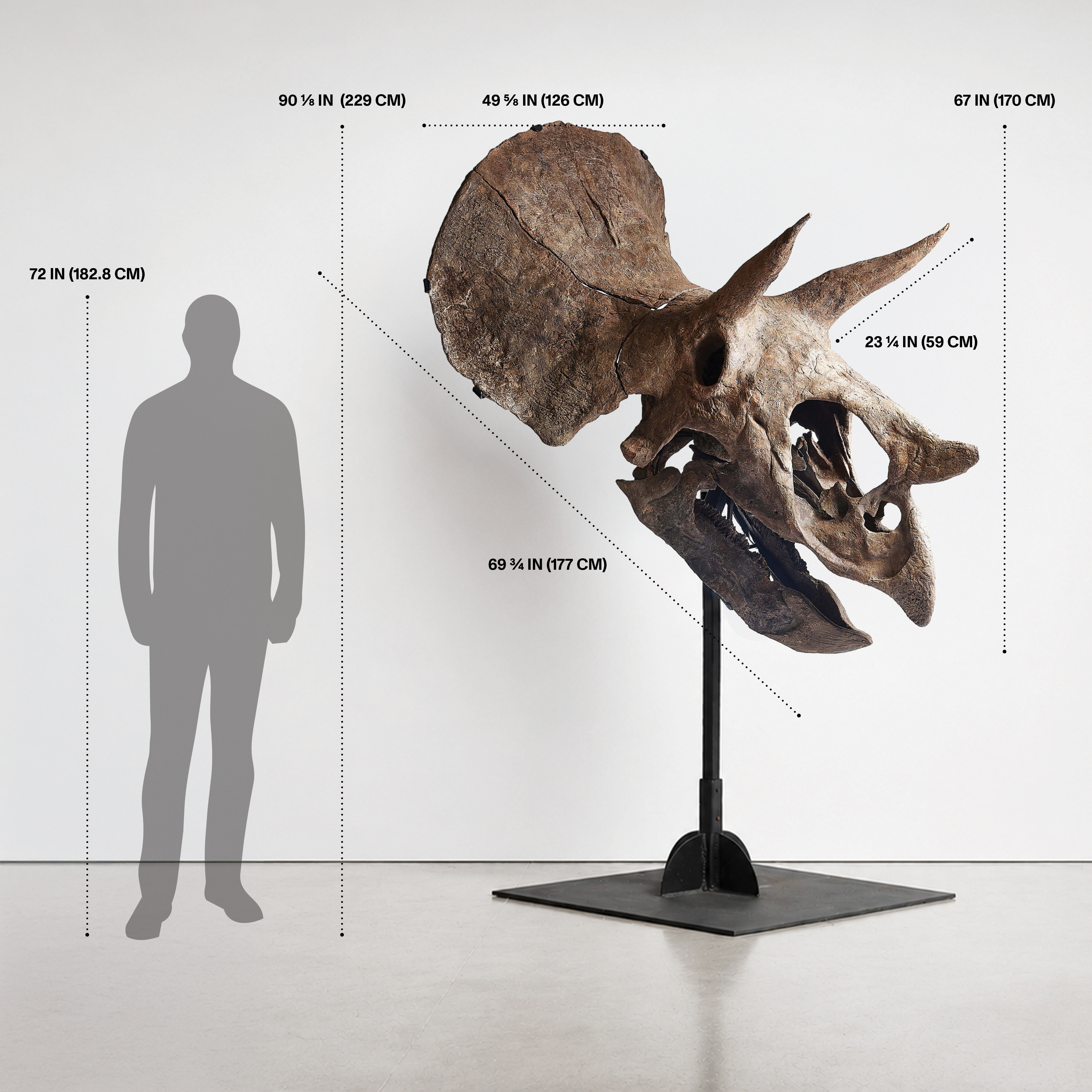
Sofia — Sub-Adult Triceratops Skull
평가하다
USD $600,000 - 800,000
종료
Jul 1, 2:13pm UTC
A scientifically significant Triceratops skull from a single individual, excavated from the upper Hell Creek Formation of North Dakota, mounted by world-renowned dinosaur-mount artist Zoltan Foltay, and offered as an auction debut.
Overview
Studied and contextualized by paleontology specialist Andre LuJan, Sofia is an exceptional example of the genus Triceratops: a remarkably complete skull, preserved as a single individual and offered at auction for the first time by its original owner. Among privately held specimens, Sofia ranks within the top tier for completeness and anatomical integrity. Few dinosaur fossils are as immediately recognizable as Triceratops, first formally described by Othniel Charles Marsh in 1889, and few surviving skulls unite this level of preservation, provenance, and species-defining detail.
Recovered from the upper Hell Creek Formation and dating to the Maastrichtian stage of the Late Cretaceous period, approximately 68–66 million years ago, Sofia inhabited the ancient landmass of Laramidia, the island continent that once stretched along the western margin of North America. In this subtropical ecosystem, Triceratops lived alongside hadrosaurs and predators including Tyrannosaurus rex, which is believed to have preyed upon the species. Fossil evidence from nesting sites and bone beds suggests Triceratops likely moved in large social groups across this landscape.
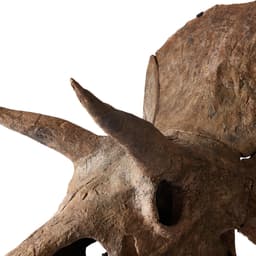
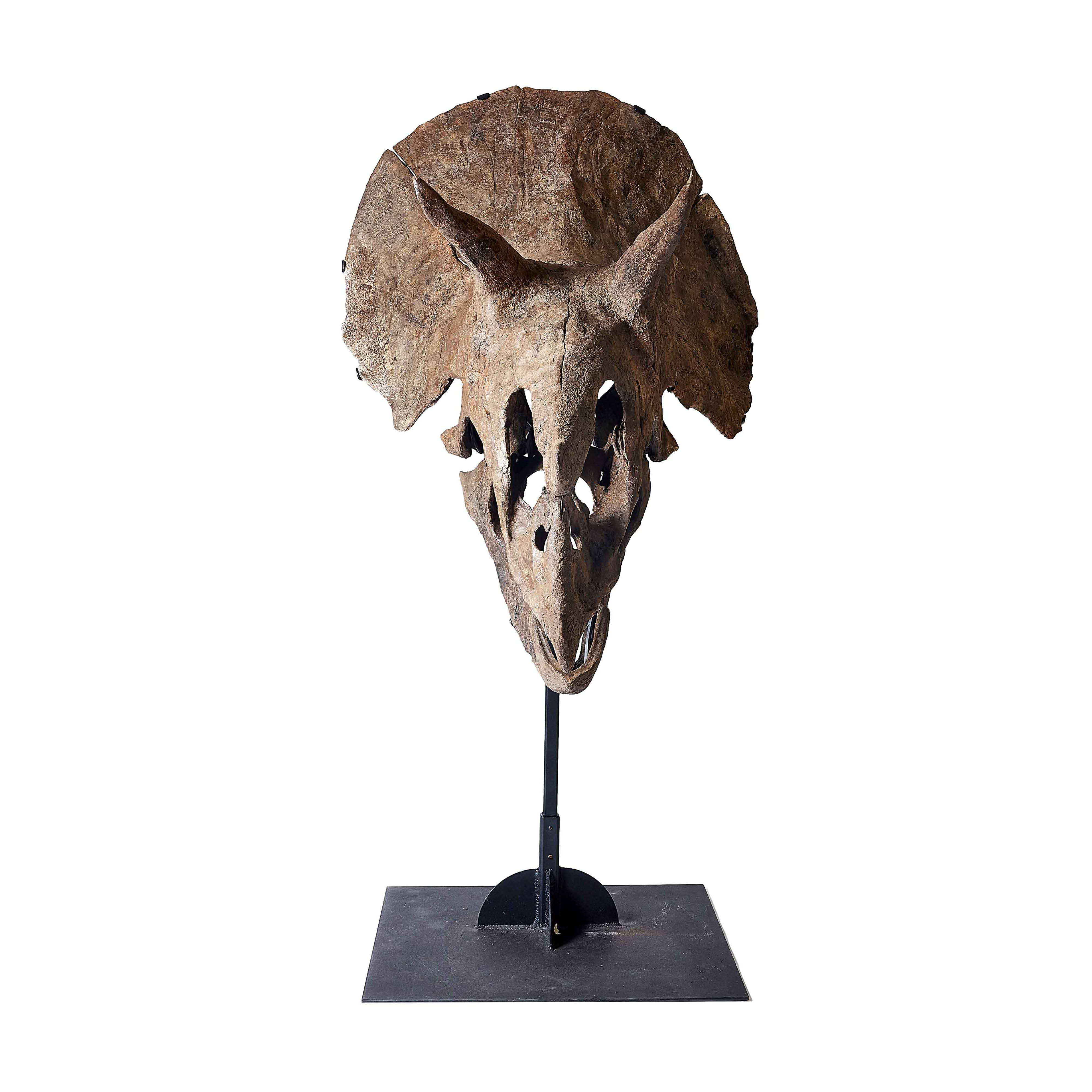
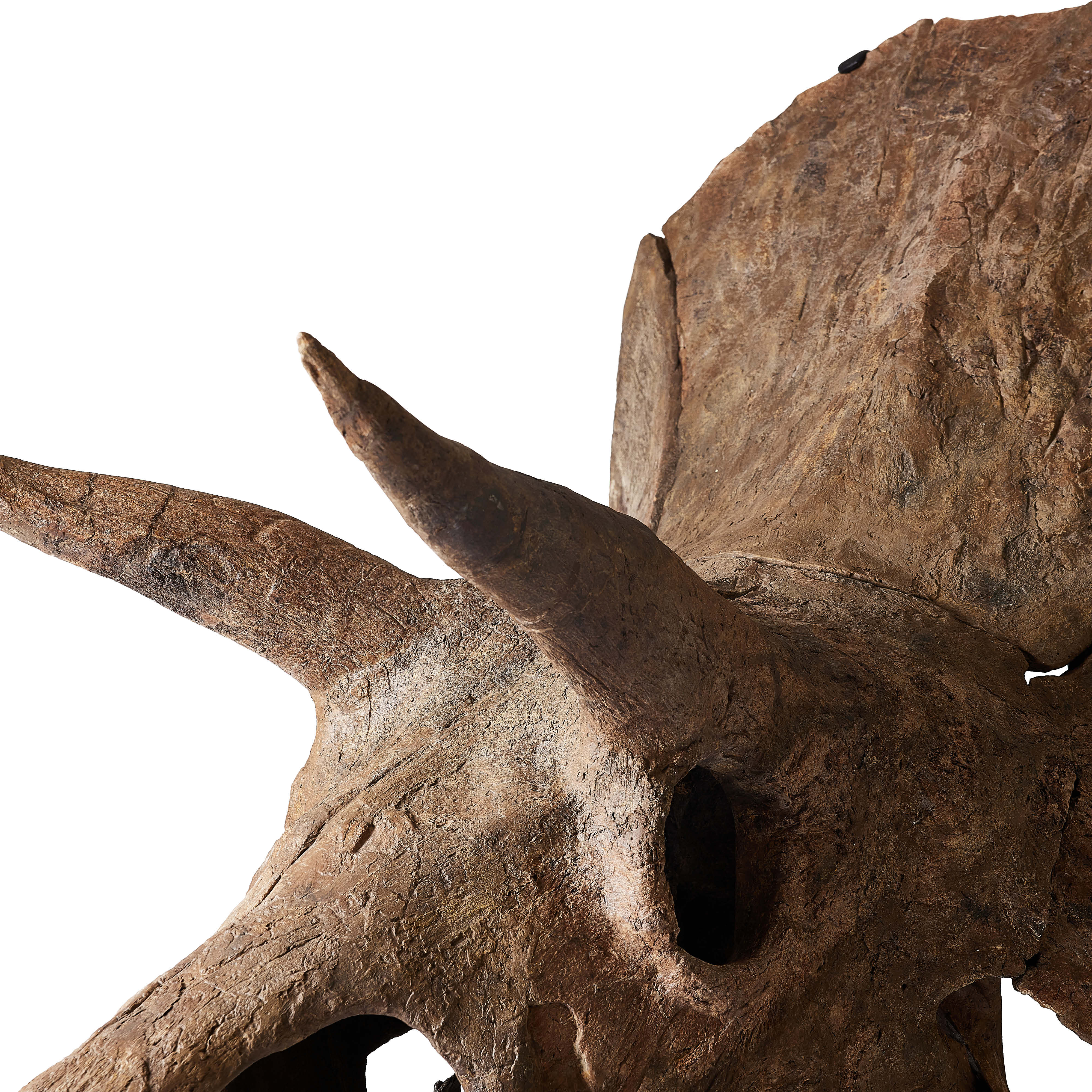
Defined by its sweeping frill, powerful brow horns, and distinctive beaked skull, Triceratops remains one of the most iconic and closely studied of all ceratopsian dinosaurs. Its name — meaning “three-horned face” — refers to the dramatic cranial structure that has secured its place in both scientific history and popular imagination. Triceratops was first named by Othniel Charles Marsh in 1889, and although more than a dozen species were subsequently described, a comprehensive reassessment by Forster (1996) recognized only two as valid: Triceratops horridus, the type species, and Triceratops prorsus. The two are distinguished principally by features of the skull. T. horridus is characterized by very short nasal horns and an open fontanelle between the frontal and parietal bones on the dorsal surface of the skull; T. prorsus, conversely, is characterized by very long nasal horns and a closed frontoparietal fontanelle (Forster, 1996). More recent stratigraphic work has shown that T. horridus specimens occur in the lower portion of the Hell Creek Formation, while T. prorsus is recovered higher in the formation — a pattern interpreted as evidence that T. horridus may have evolved directly into T. prorsus (Scannella et al., 2014). Sofia preserves the elements diagnostic at the species level — including the nasal horn and the dorsal surface of the skull at the frontoparietal contact — and was recovered from the upper Hell Creek Formation.
Provenance and Discovery
Sofia was discovered in July of 2021 on private land near Marmarth, North Dakota, under a legal fossil lease agreement with the landowner. Contractors working for leading commercial paleontology company, Dinosaurs of America, excavated the skull in a single season.
The Hell Creek Formation — a celebrated sequence of Upper Cretaceous clays, mudstones, and sandstones — is one of the richest dinosaur-bearing units in North America, having preserved exquisite fossils from the age of dinosaurs. Recent finds from the same regional unit include the teenage Tyrannosaurus rex now on public display in Denver, Colorado.
Sofia has remained with her original owner since recovery.
Preparation and Mounting
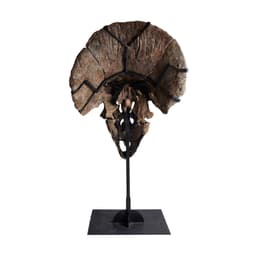
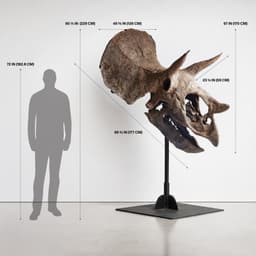
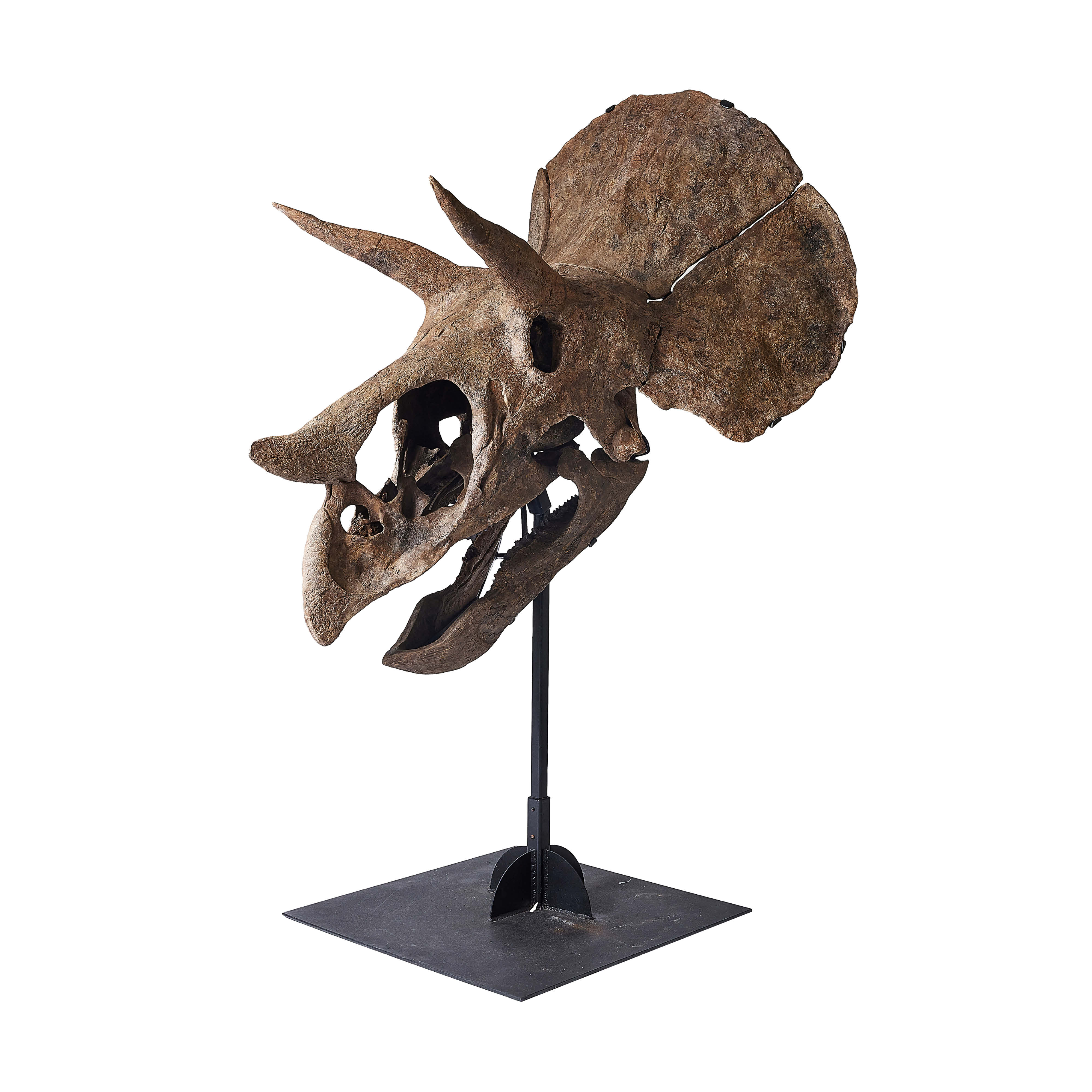
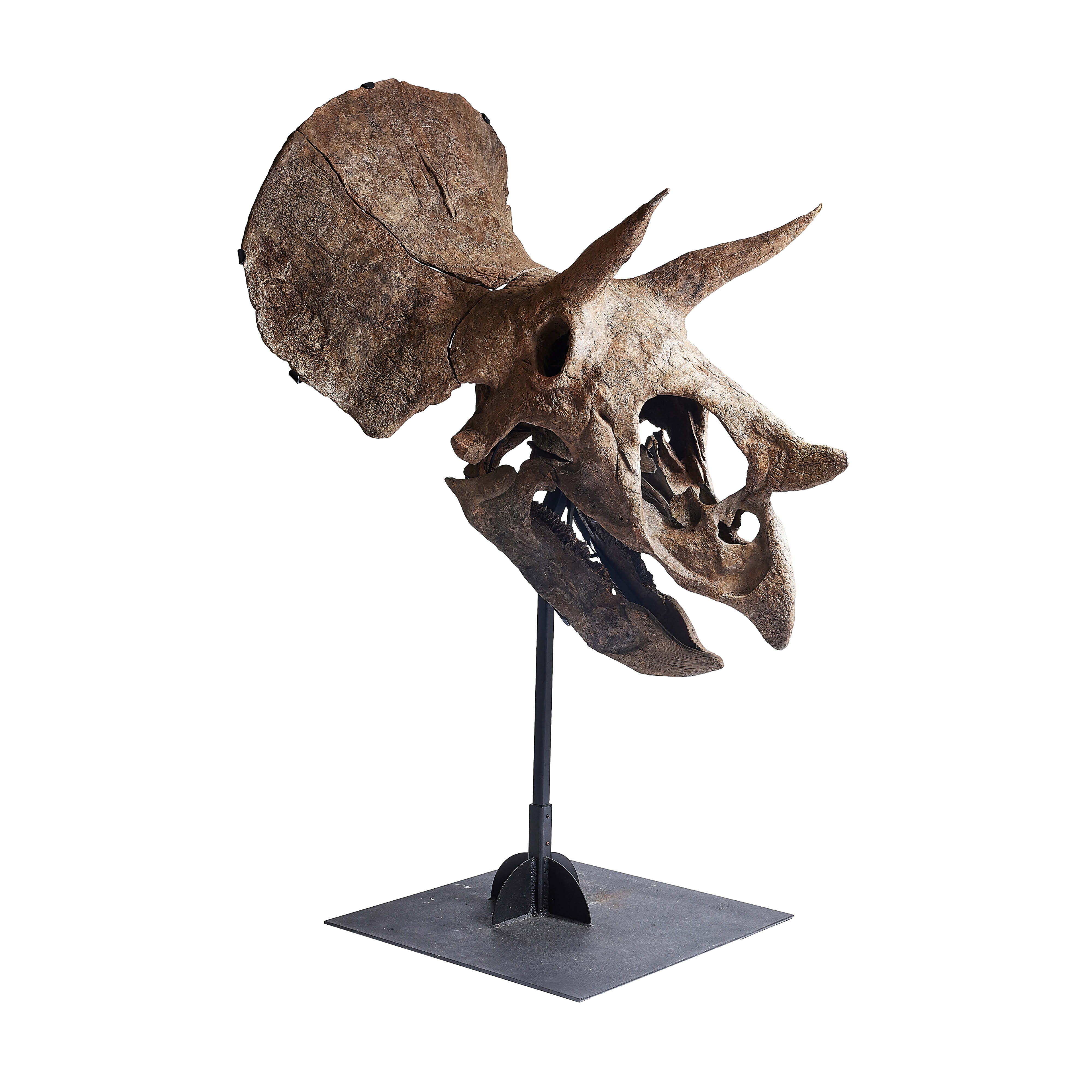
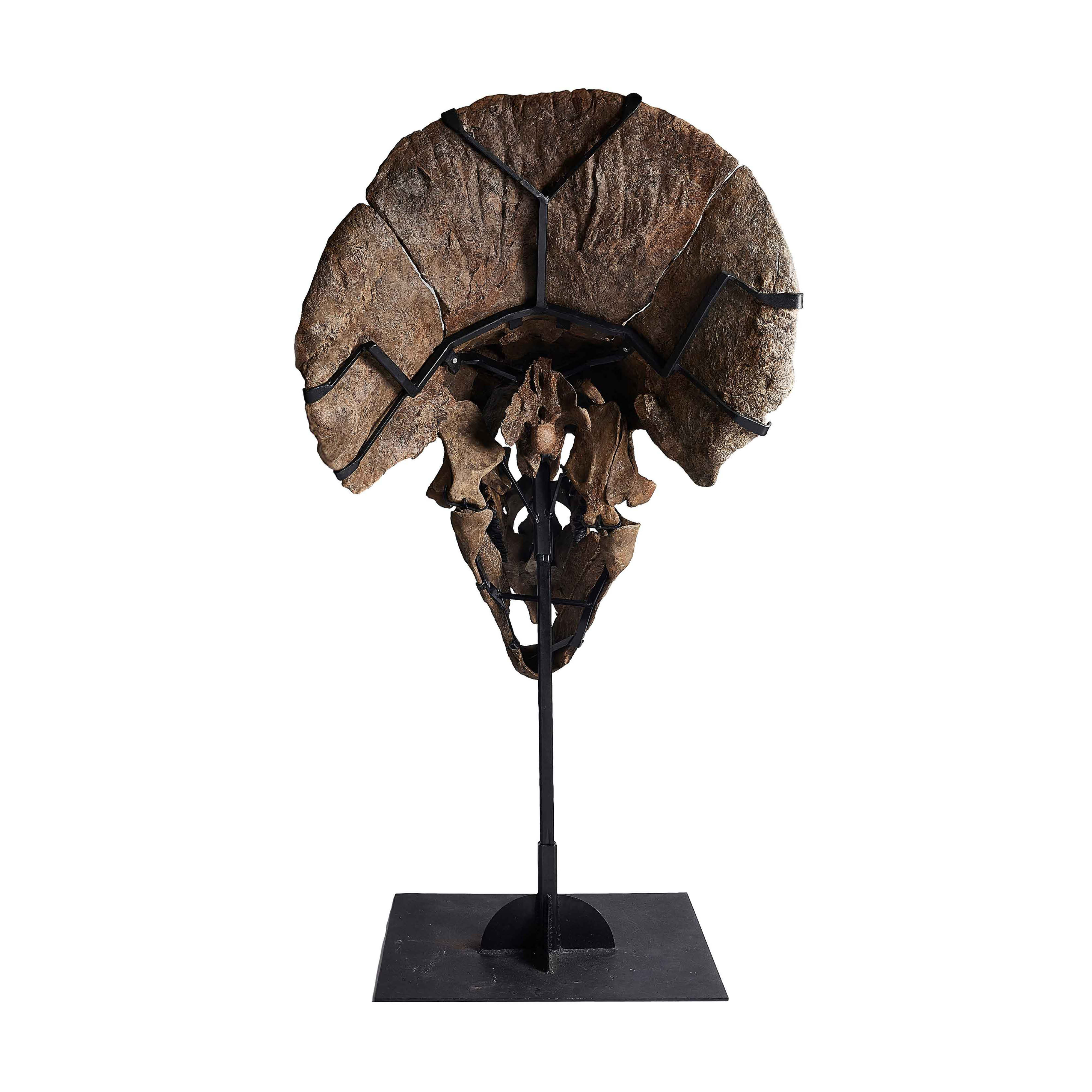
Following excavation, Sofia was prepared and mounted on a custom metal armature designed and fabricated by Zoltan Foltay — the metal artist behind some of the most celebrated dinosaur mounts of this generation, including "Apex" the Stegosaurus now on public display in New York. Final preparation and restoration for mounting was performed over 18 months by a team of professional contractors. Foltay's armature for Sofia is engineered for modular handling: sections of the frill detach, simplifying transport, conservation access, and installation across a wide range of display contexts.
Age Analysis
Specialist assessment supports Sofia as a sub-adult to young adult individual. The squamosals, parietals, and epoccipitals — the diagnostic bones lining the frill of ceratopsid dinosaurs — are not yet fully fused or developed, consistent with a younger animal.
Completeness and Condition
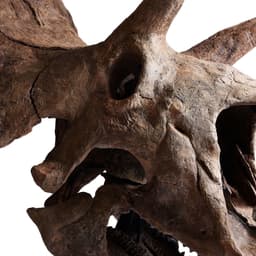
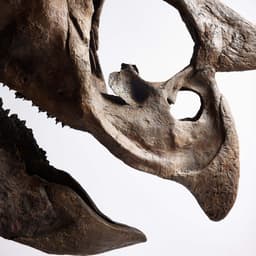
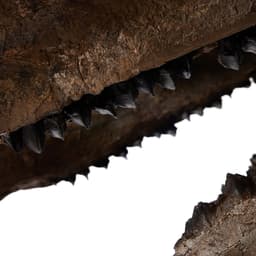
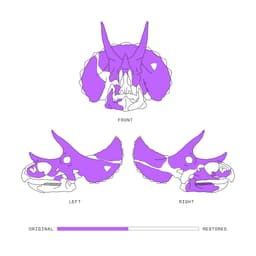
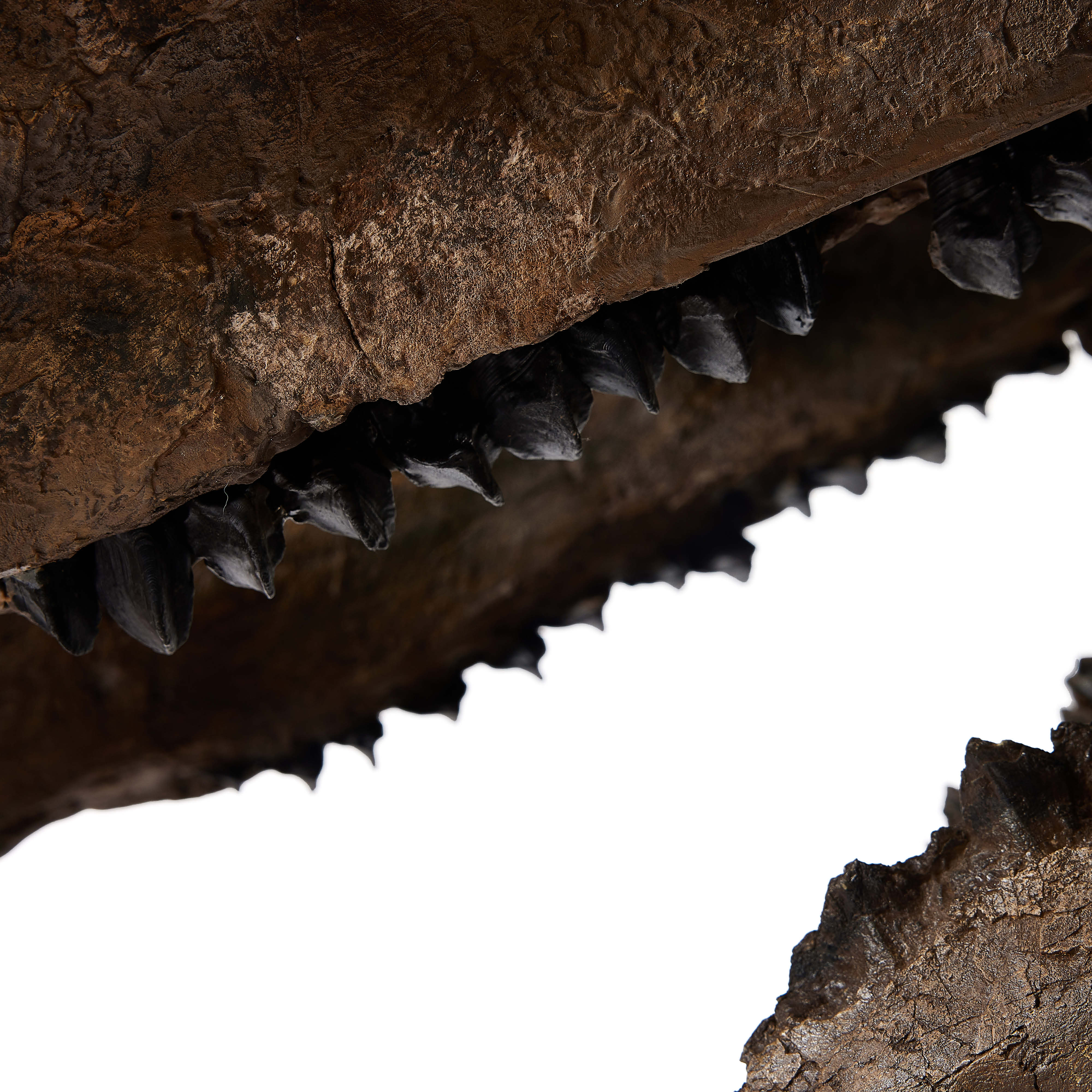
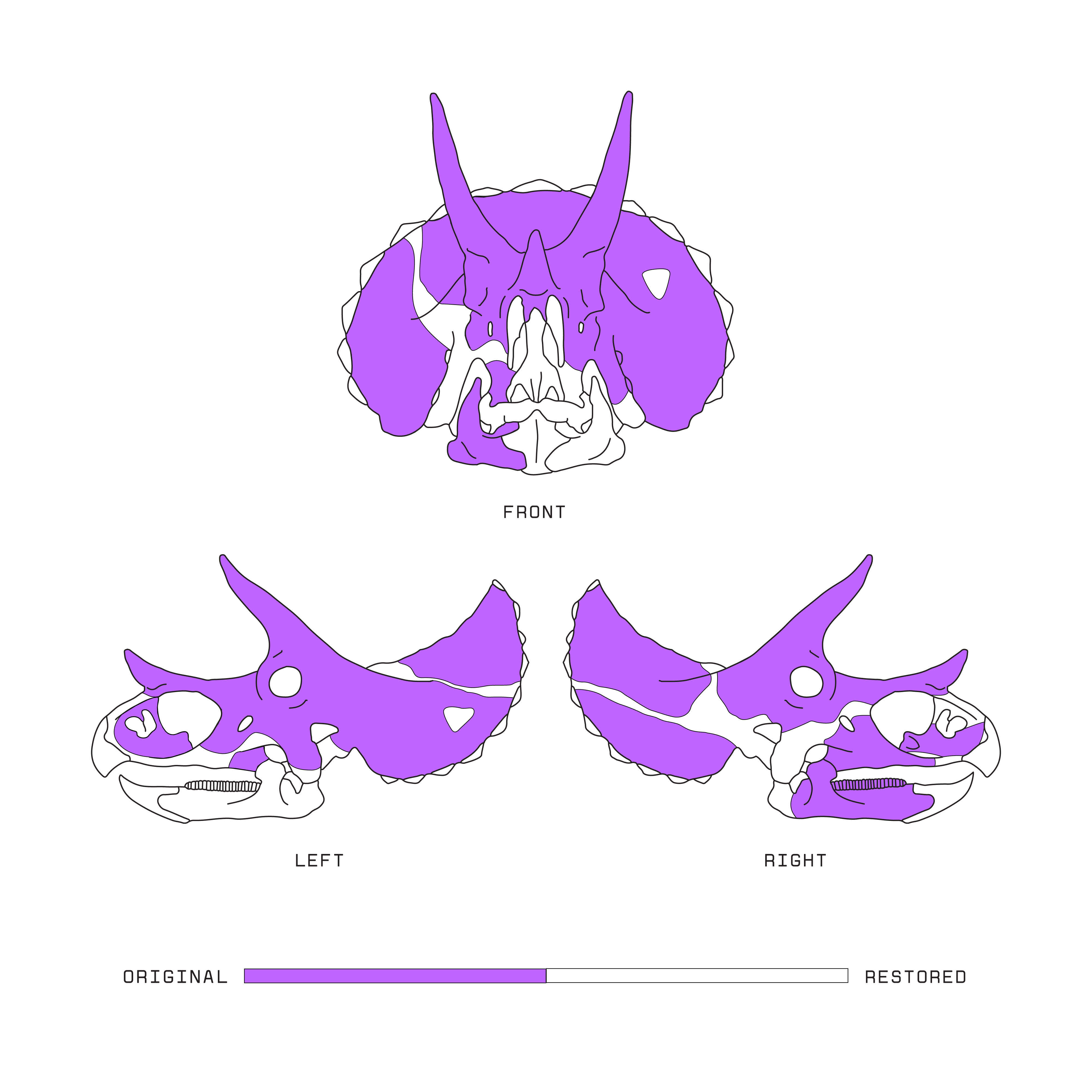
By bone mass, Sofia's skull is a minimum of 60% complete original fossil material. Critically, all preserved elements are associated with a single individual; no elements have been composited from other Triceratops specimens to complete the restoration. The cranial morphology, including the species-diagnostic nose horn and brow horns, is intact. The right dentary is incredibly complete and full of original teeth. By completeness, Sofia ranks within the top ten percent of privately held Triceratops skulls.
Scientific Significance
From a scientific perspective, Sofia contributes meaningful data to the study of Triceratops morphology, cranial development, and species-level variation within the Hell Creek Formation. Because she is sub-adult, Sofia preserves anatomical information from a stage that is often underrepresented in the record — when key features are still developing — making her especially valuable for comparative work on chasmosaurine growth and form. Her single-individual integrity and the preservation of species-diagnostic anatomy — the nasal horn and the dorsal surface of the skull at the frontoparietal contact — position the specimen as a useful reference point for species-level variation and Late Cretaceous chasmosaurine anatomy.
Critically, Sofia has not been previously studied, sampled, or published in the scientific literature. She comes to market fresh from preparation. This presents an unusual opportunity for first-stage research — histological sampling, surface morphometrics, CT imaging — on a fully provenanced, taxonomically diagnostic, single-individual specimen that has not yet entered the published record.
Collecting Significance
Opportunities to acquire Triceratops skulls of this caliber are exceptionally rare. Most significant specimens remain permanently in institutional collections, and very few re-enter the market. Sofia is making her auction debut; she has remained with her original owner since recovery and is offered with full title and license, with no restricted intellectual property used in the reconstruction. This presents a singular opportunity for collectors and institutions to assume stewardship of a culturally and scientifically significant skull.
Aesthetic Assessment
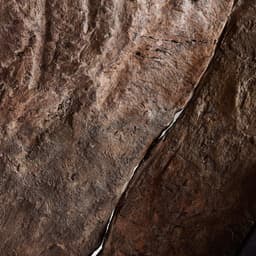
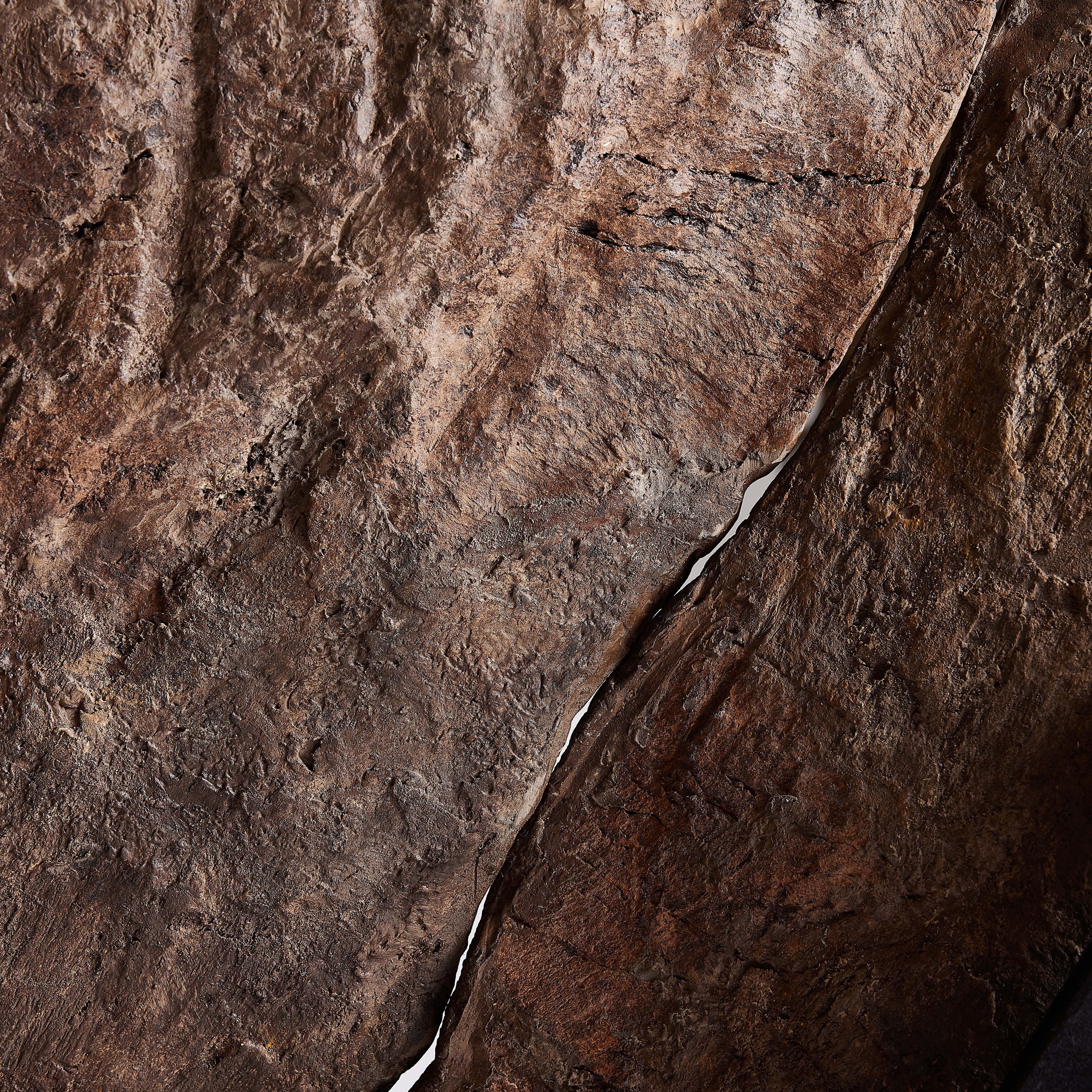
Sofia's mount captures the classic Triceratops presence — horns forward, frill flared — on a Foltay armature engineered to break down for transport and re-installation. Mineral replacement over millions of years has tinted the preserved bone in a distinctly warm, yellow palette — a mineral-fixed color that registers as light when she is lit, creating natural surface complexity on a once-living structure. Sofia's sub-adult scale remains visually commanding while adaptable for display.
“Sofia is a classic example of Triceratops. The disarticulated condition of the skull at discovery contributed to less taphonomic distortion. Being able to observe individual skull elements is key in understanding ontogenetic development. This all contributes to the aesthetics and importance of this specimen.”
– Andre Lujan, Paleontology expert