MONTANA, USA
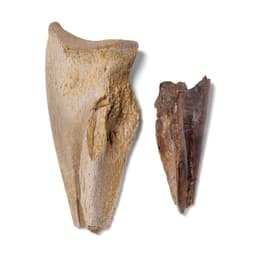
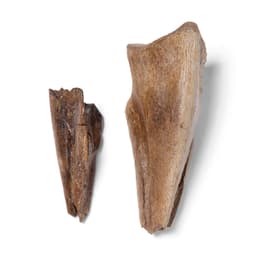
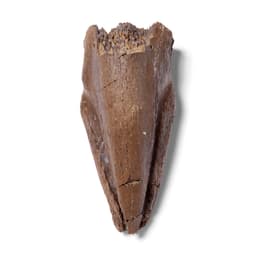
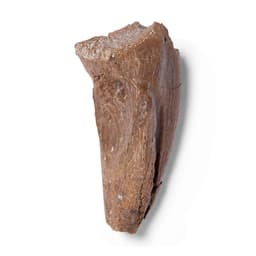
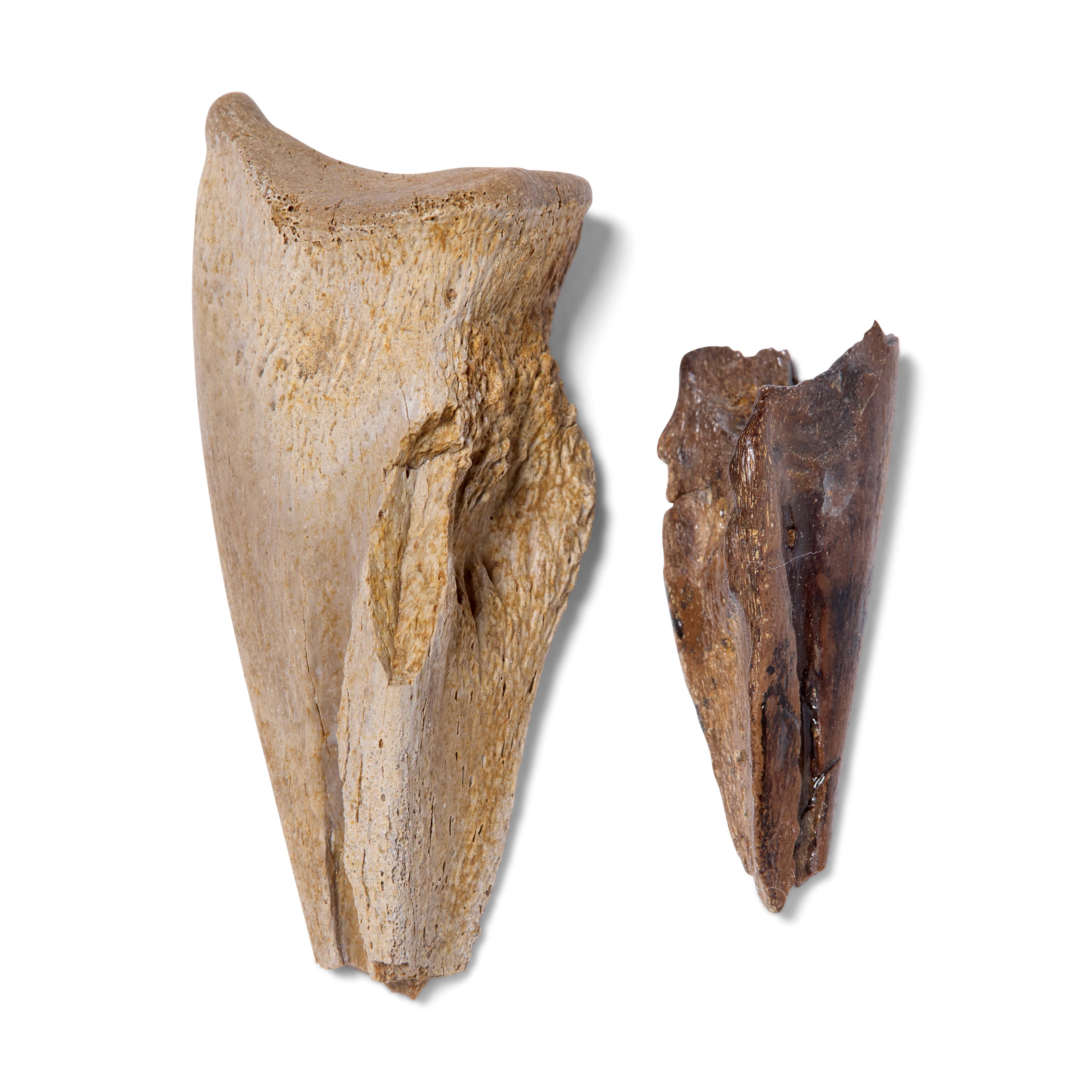
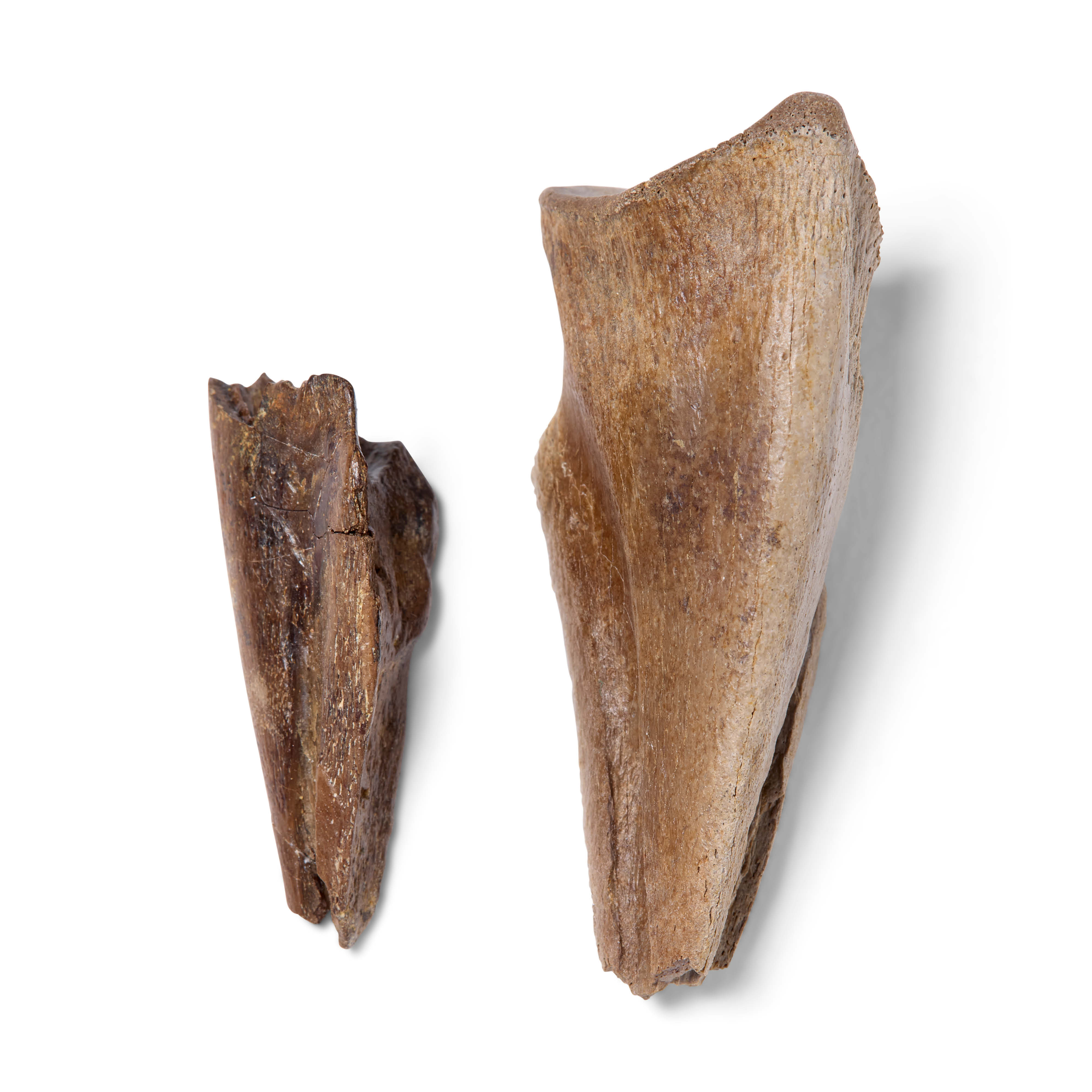
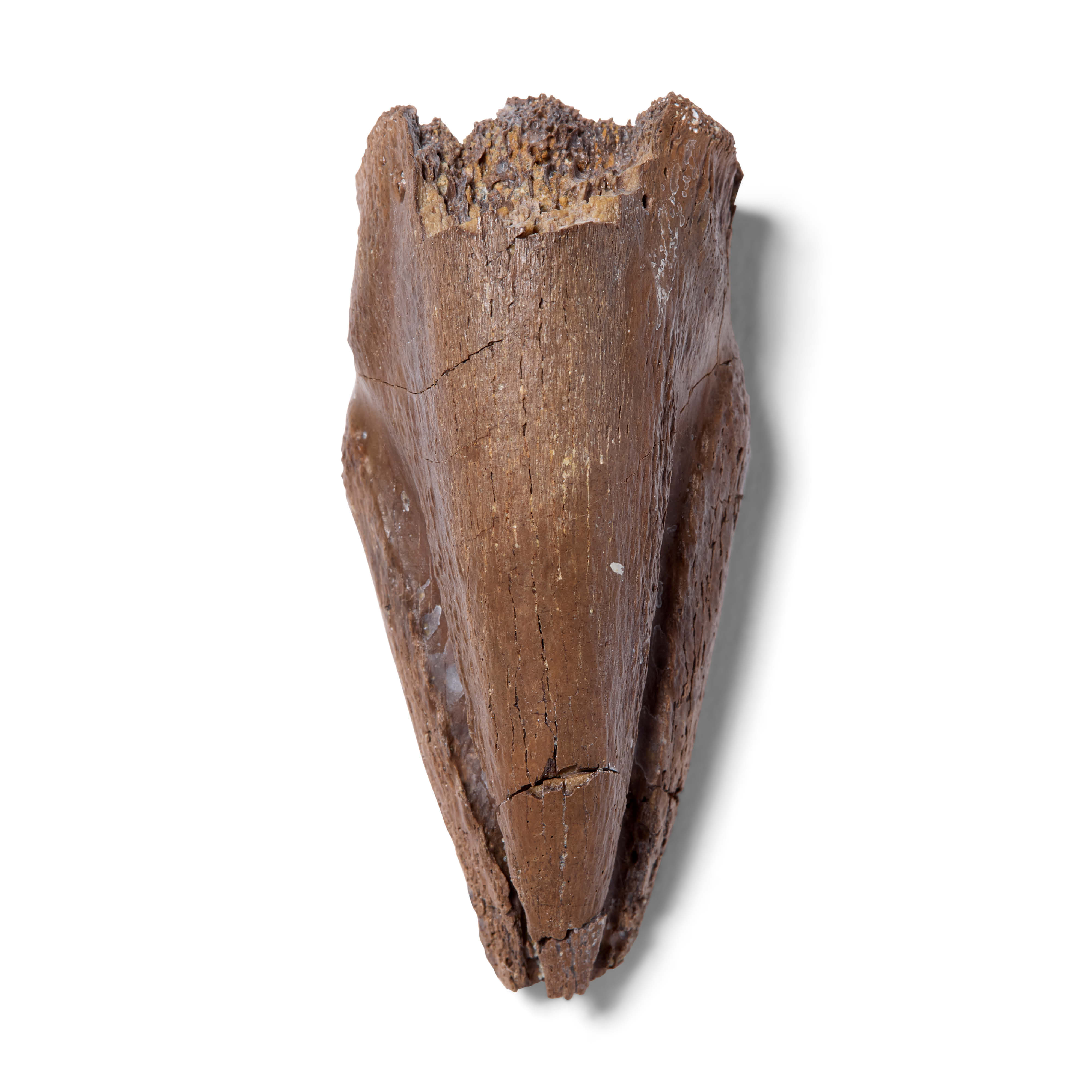
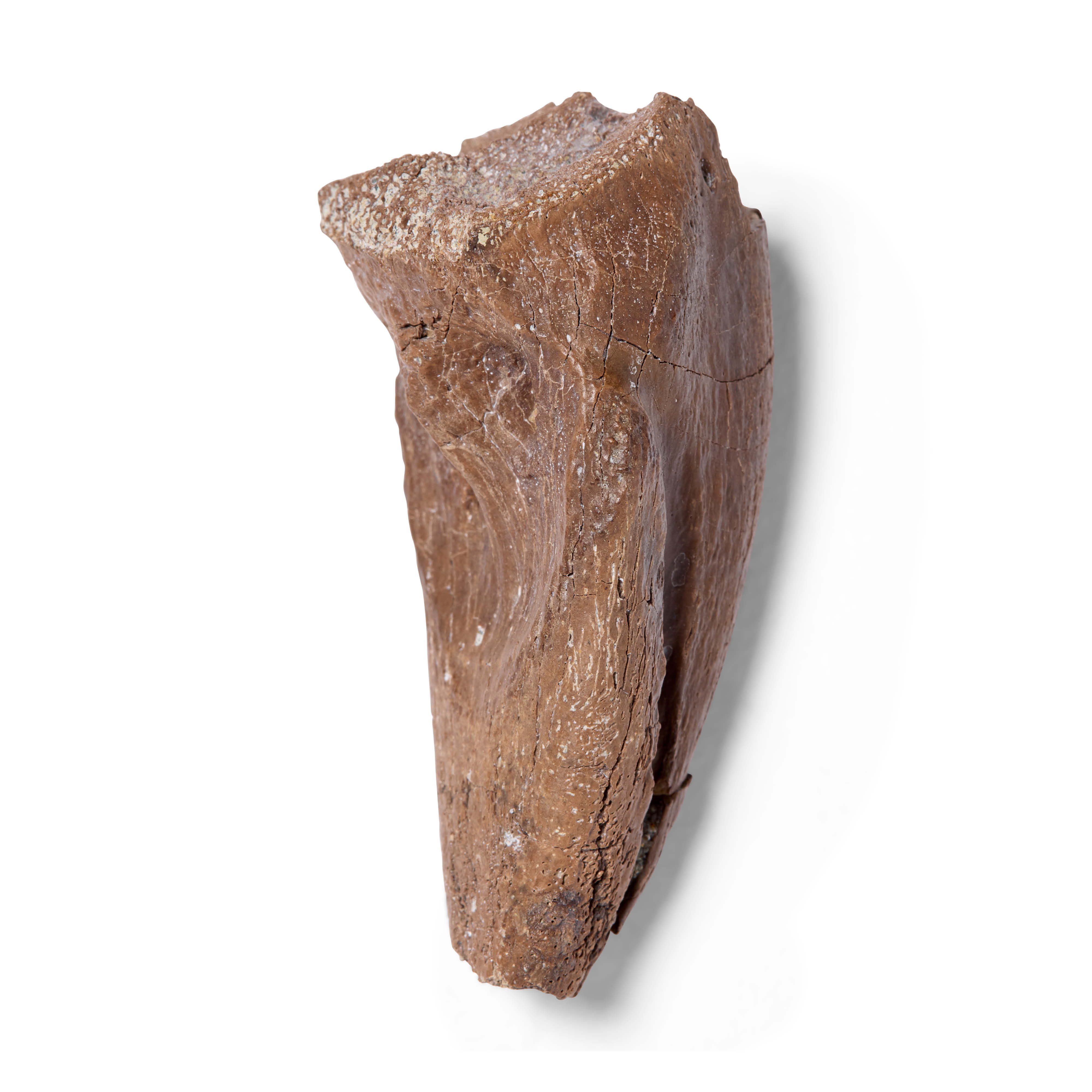
Three Ornithominid Pes Claws
평가하다
USD $3,000 - 4,000
종료
Jul 1, 2:10pm UTC
A GROUP OF THREE ORNITHOMIMID PES CLAWS
Ornithomimidae indet.
Late Cretaceous Period (approximately 76 million years ago)
Judith River Formation, Montana, USA
left to right:
1 x 2 1/8 x 3/4 inches (2.5 x 5.4 x 1.9 cm)
1/2 x 1 3/8 x 1/2 inches (1.3 x 3.5 x 1.3 cm)
1 x 2 1/4 x 1 inches (2.5 x 5.7 x 2.5 cm)
Ornithomimidae — literally “bird mimics” — were among the most distinctive theropods of the Cretaceous, and the closest in form to anything alive today. Toothless, long-limbed, and lightly built, they were structured around speed and the kind of opportunistic generalism familiar from the modern roadrunner. In life they would have been the fastest dinosaurs on the Judith River floodplain, capable of outpacing almost any contemporary predator.
But “bird-like” was not the same as harmless. The forelimbs and three-toed feet of the ornithomimids were each tipped with large, recurved claws — the pes (foot) claws in particular forming a substantial weapon. In life these would have been sheathed in a thick keratin covering, extending their reach further still. Among the feathered dinosaurs of Late Cretaceous North America, ornithomimids possessed some of the largest digital claws of any theropod, surpassed in absolute scale only by later forms such as the Hell Creek's celebrated Anzu wyliei — popularly known as “the Chicken from Hell.”
The Judith River Formation, deposited approximately 79 to 75 million years ago across what is now central Montana, preserves a uniquely diverse Late Cretaceous fauna: the apex tyrannosaurs Daspletosaurus and Gorgosaurus; the spectacularly ornamented ceratopsians Medusaceratops, Mercuriceratops, and Spiclypeus; and the small, agile dromaeosaurids that hunted in their shadow. Ornithomimid material from this formation is uncommon, and a group of three pes claws is an exceptional offering.