TOEI ANIMATION
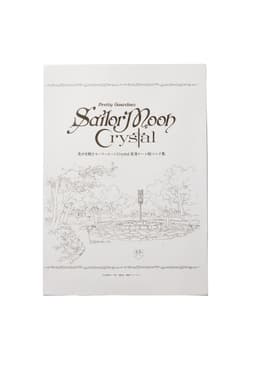
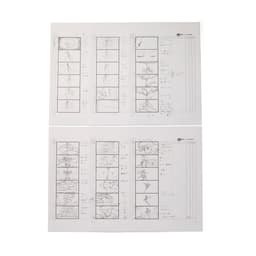
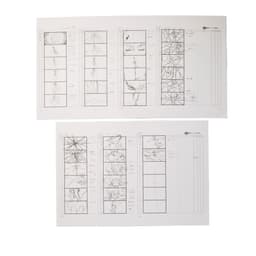
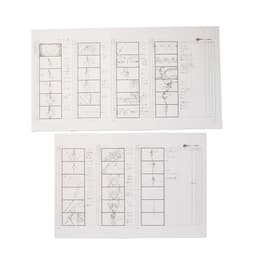
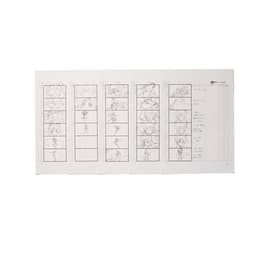
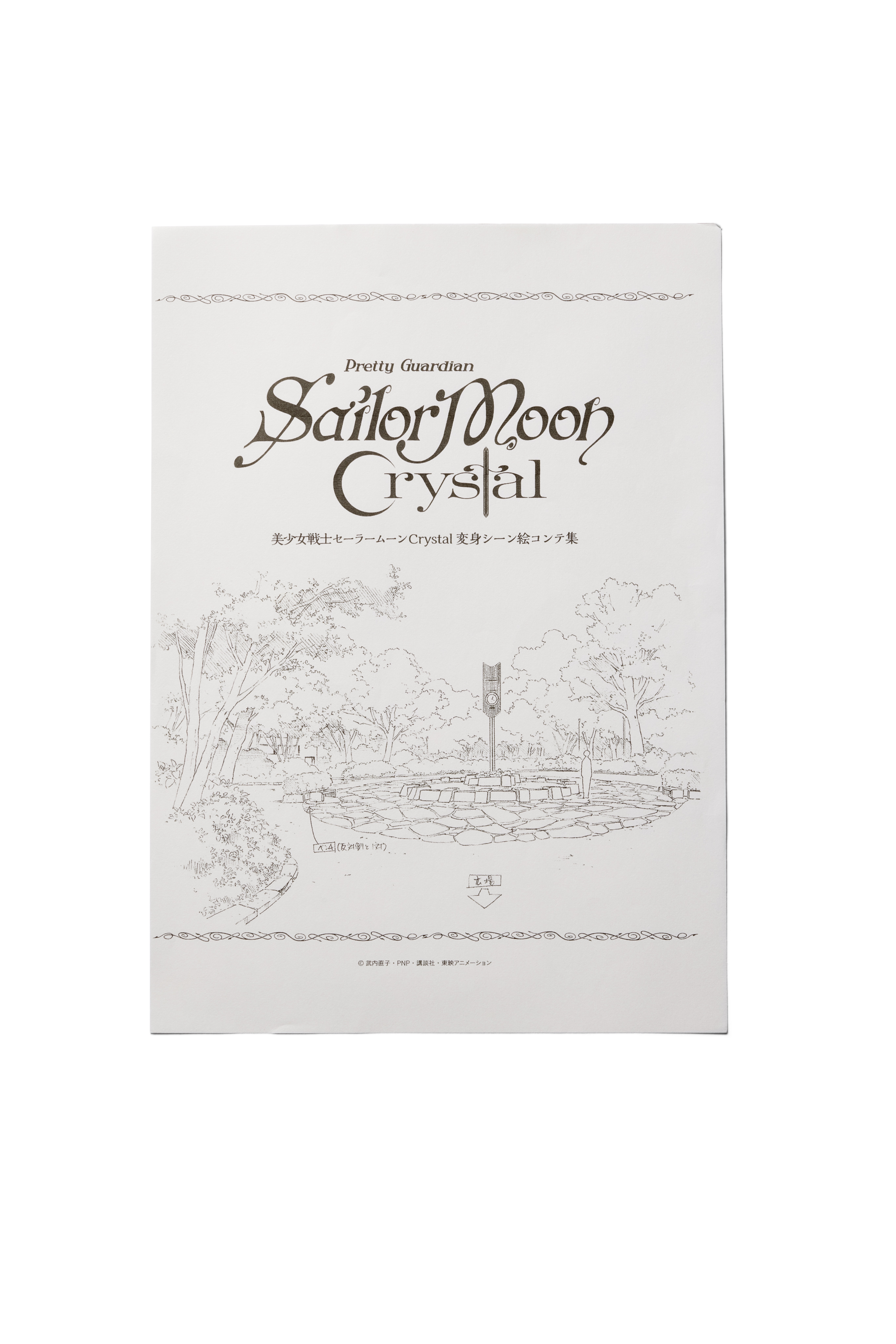
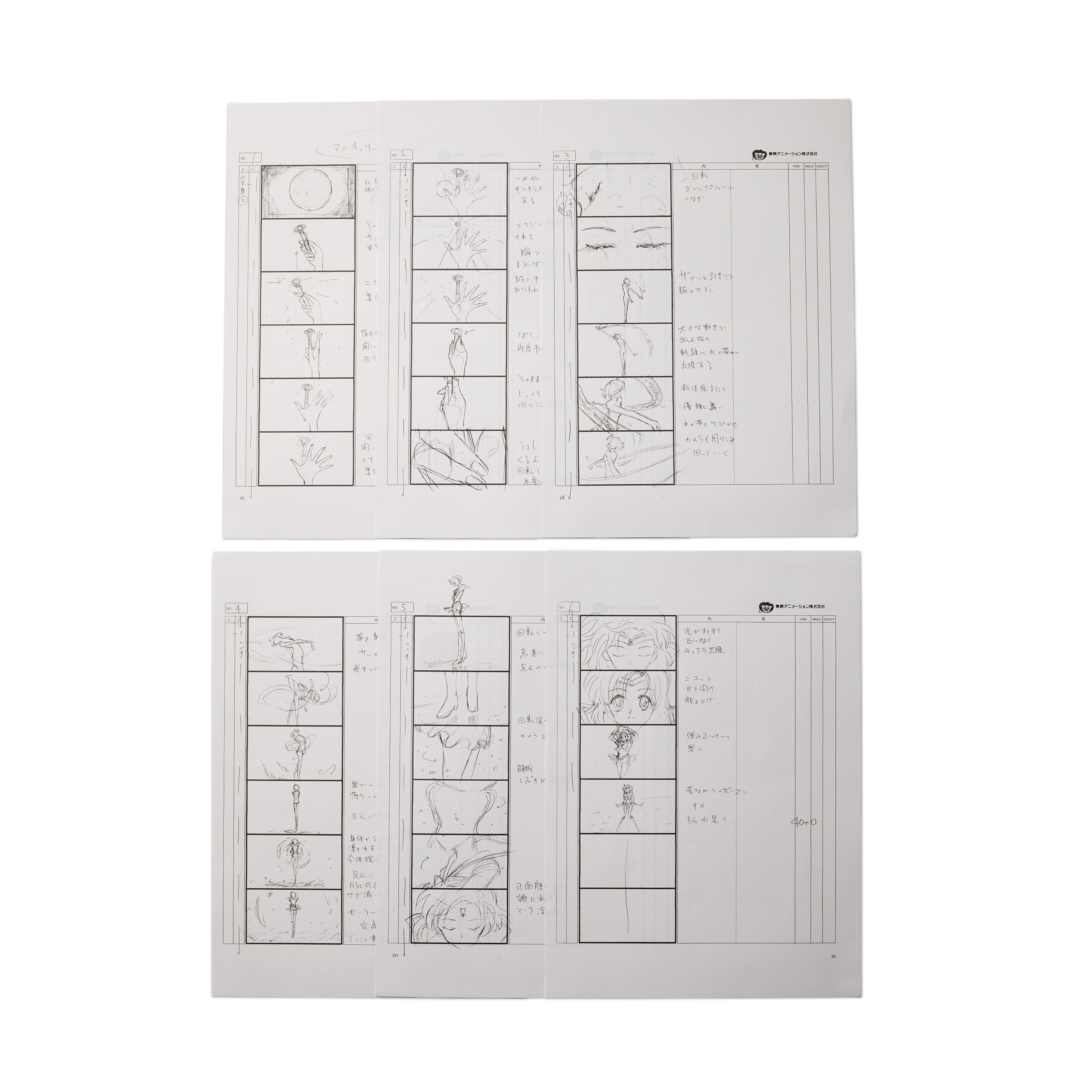
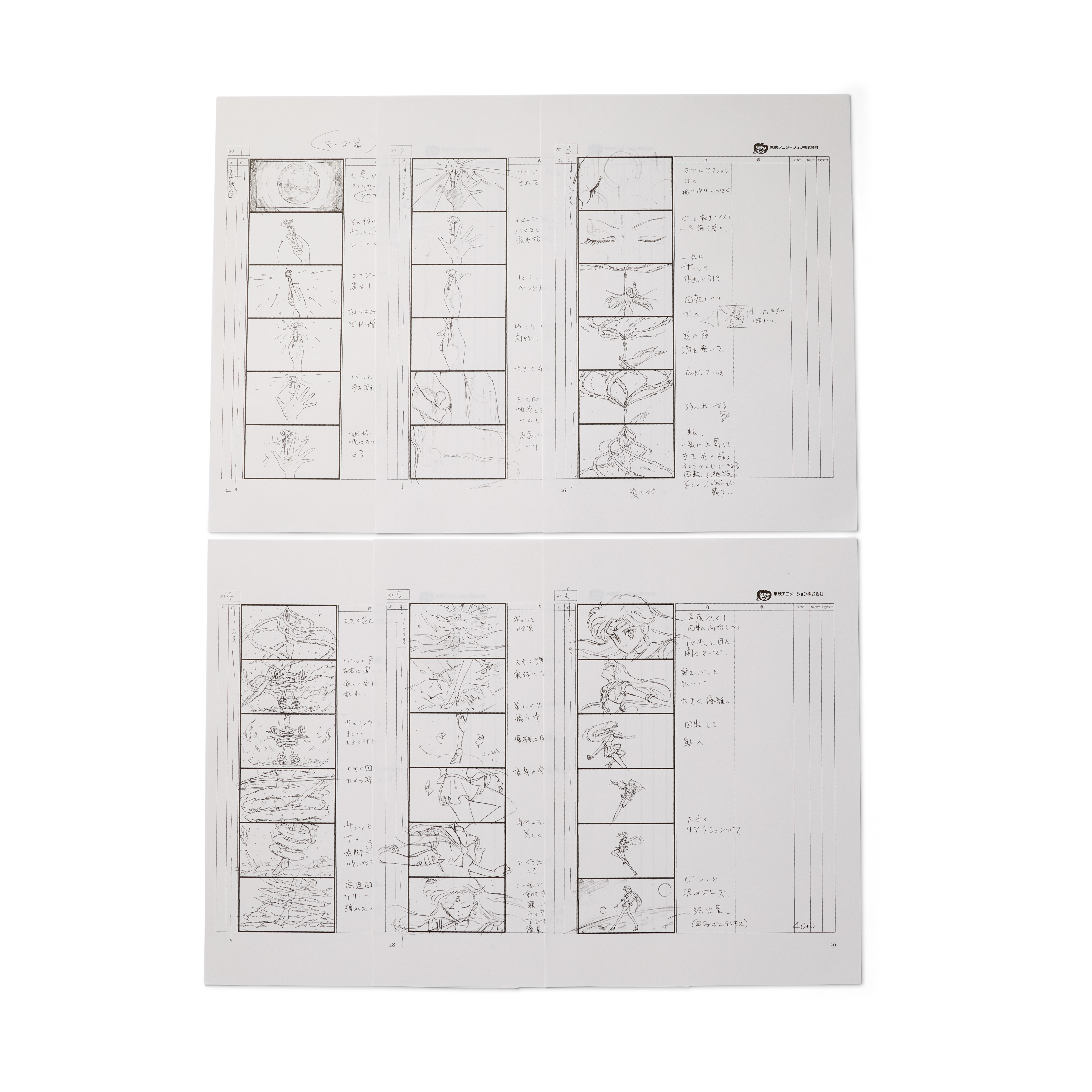
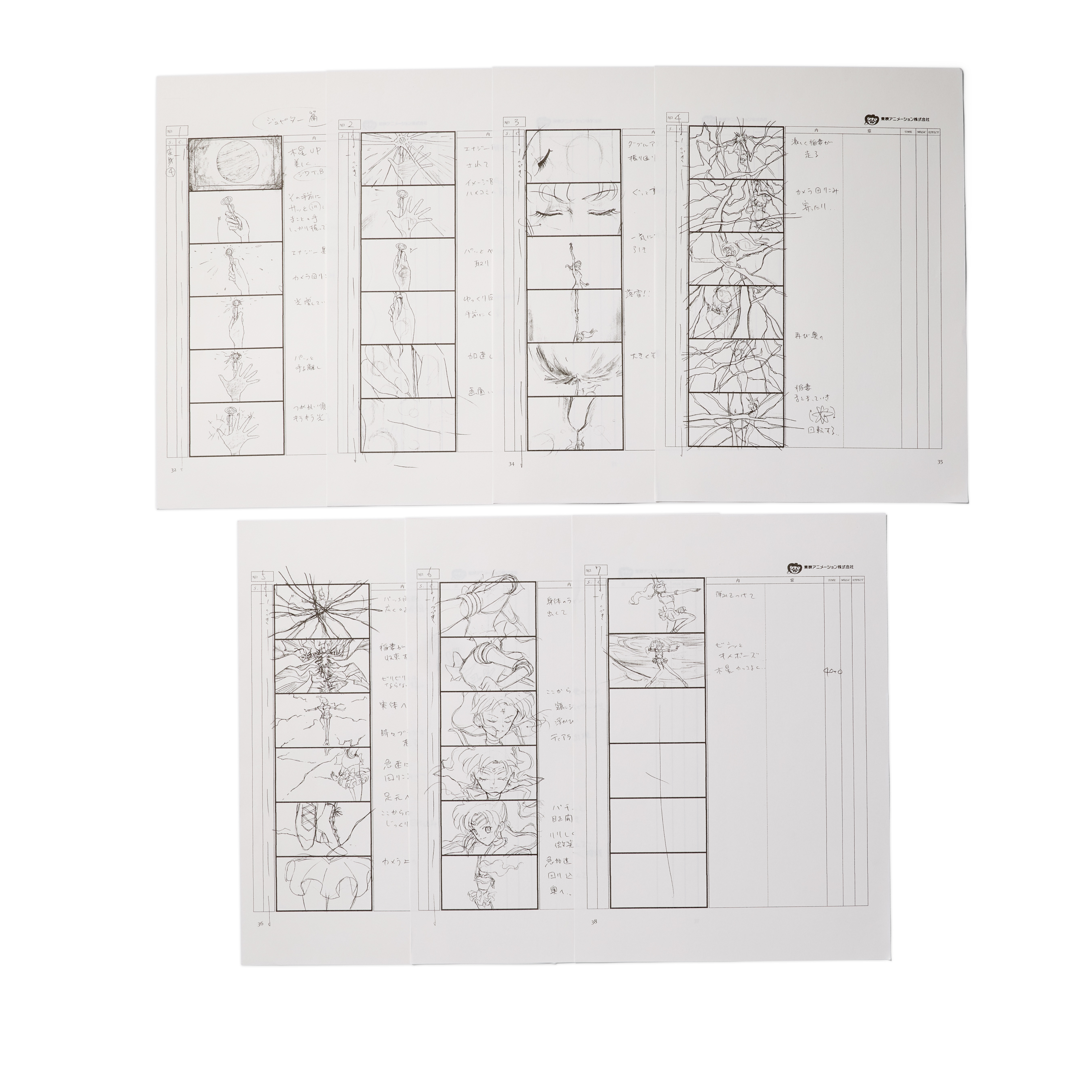
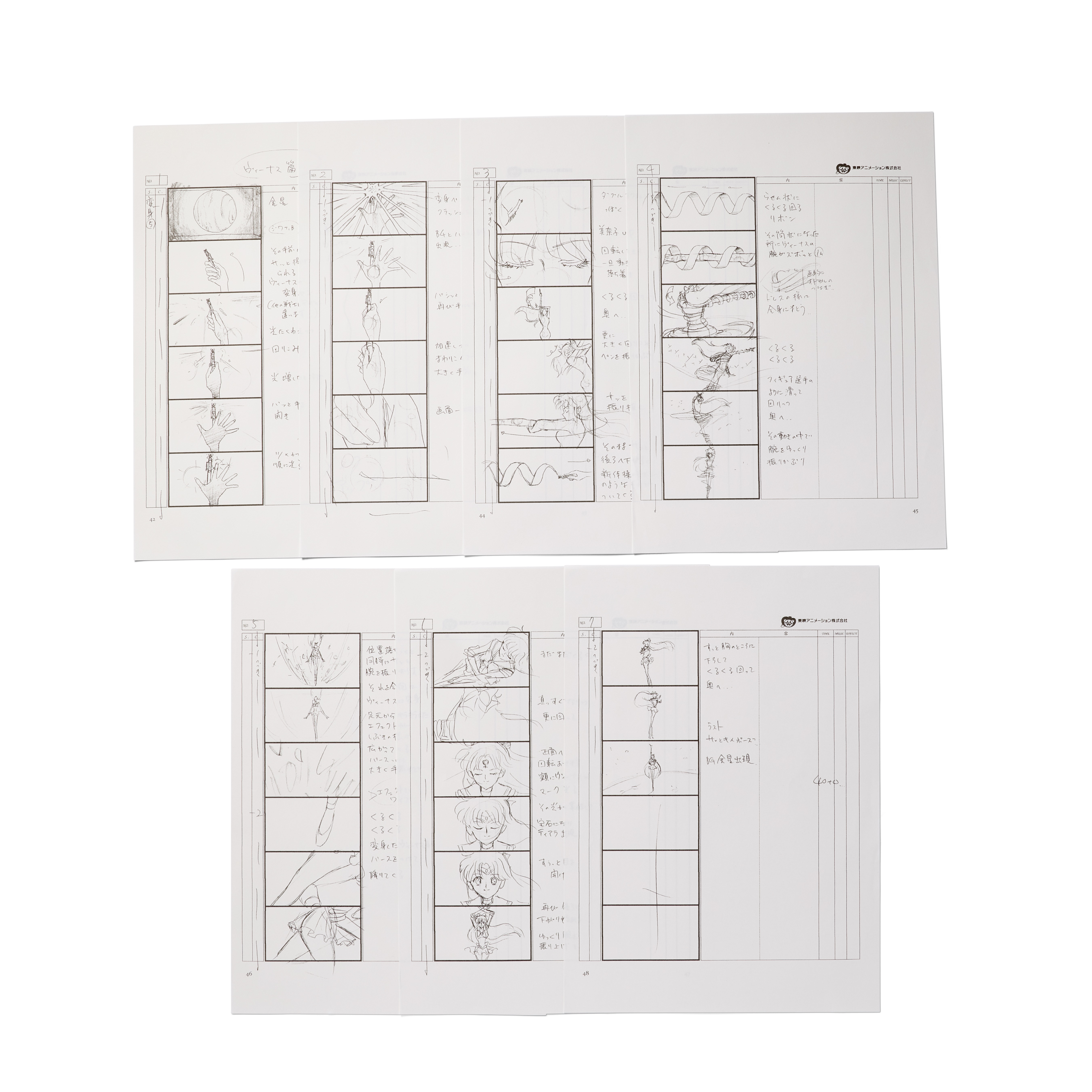
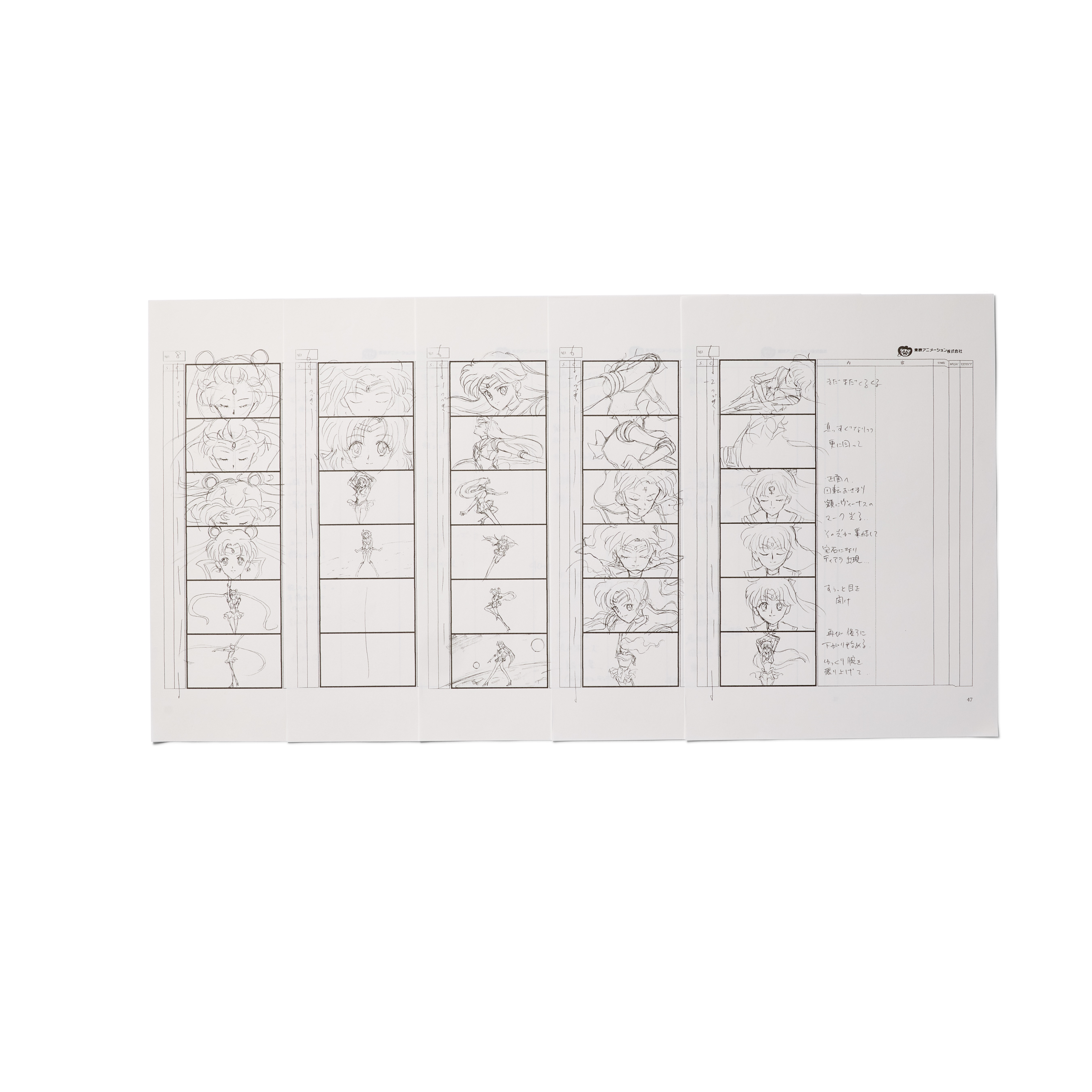
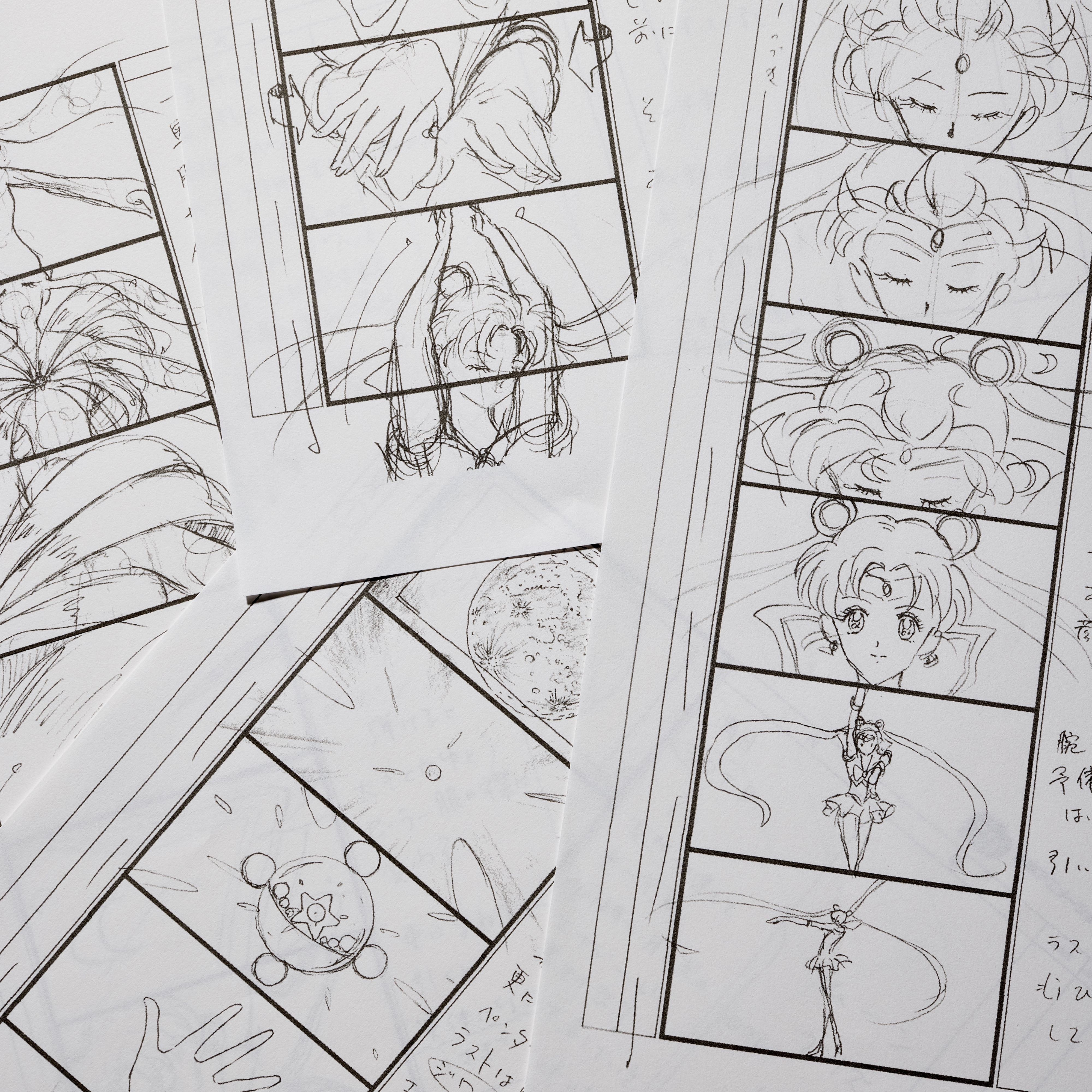
Pretty Guardian Sailor Moon Crystal Transformation Sequence Storyboards
Current Bid
USD $110
2 Bids
No Reserve
Sailor Moon did not invent the magical girl transformation sequence, but it set the standard for what one should look like. Since 1992, those fifteen seconds have become one of anime’s great pieces of visual shorthand: the music starts, the costume changes, and everyone knows what comes next.
Transformation sequences are bank animation: produced once at a higher level of detail, then reused across episodes, sometimes for years. An ordinary storyboard plans a shot an audience might see once. A transformation storyboard plans a shot designed to be seen again and again.
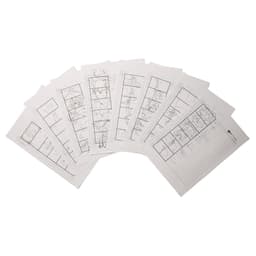
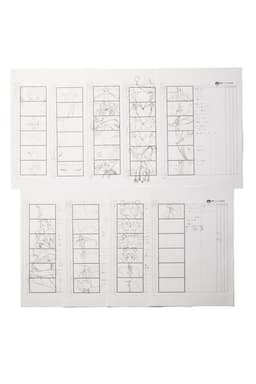
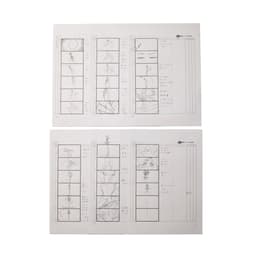
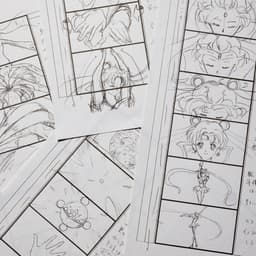
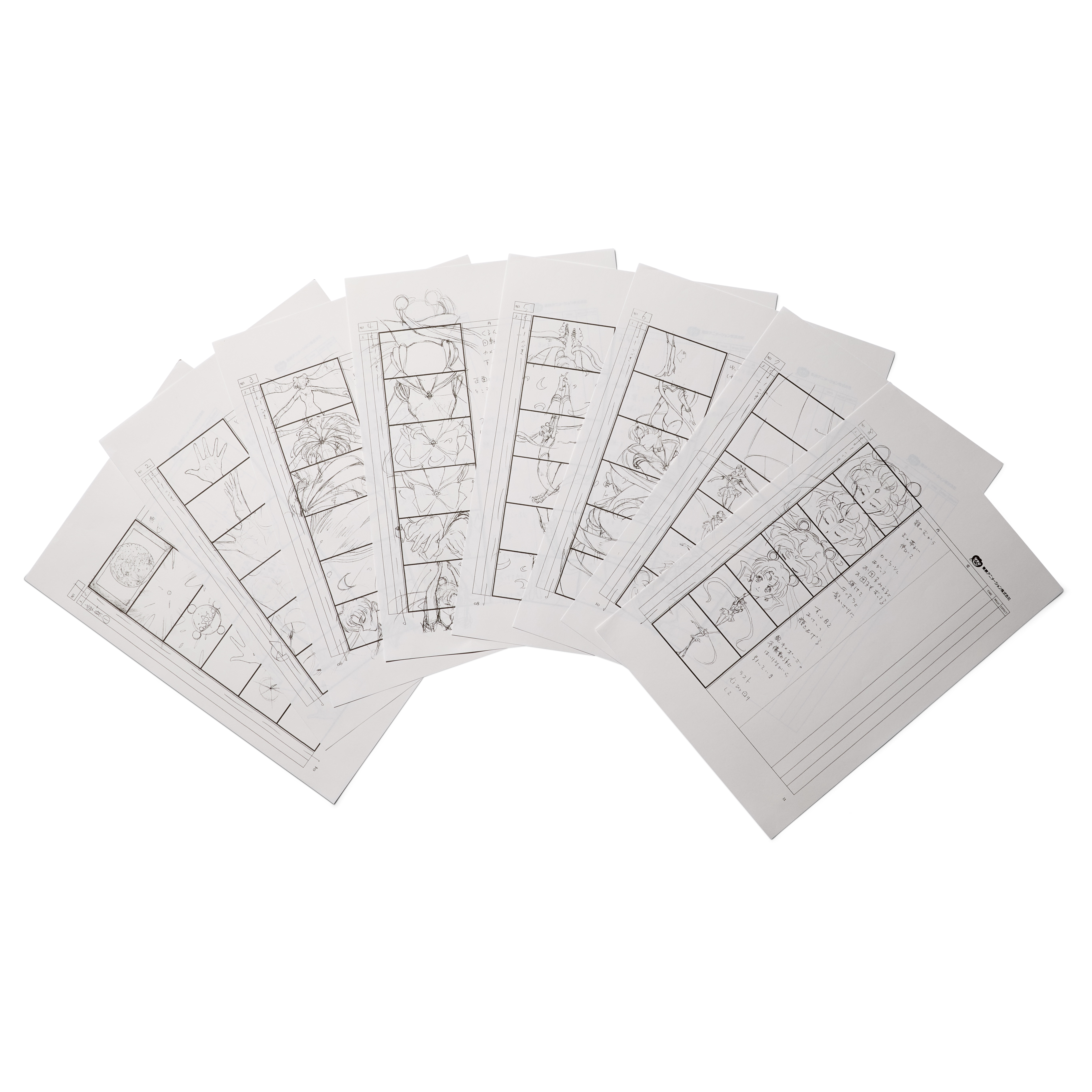
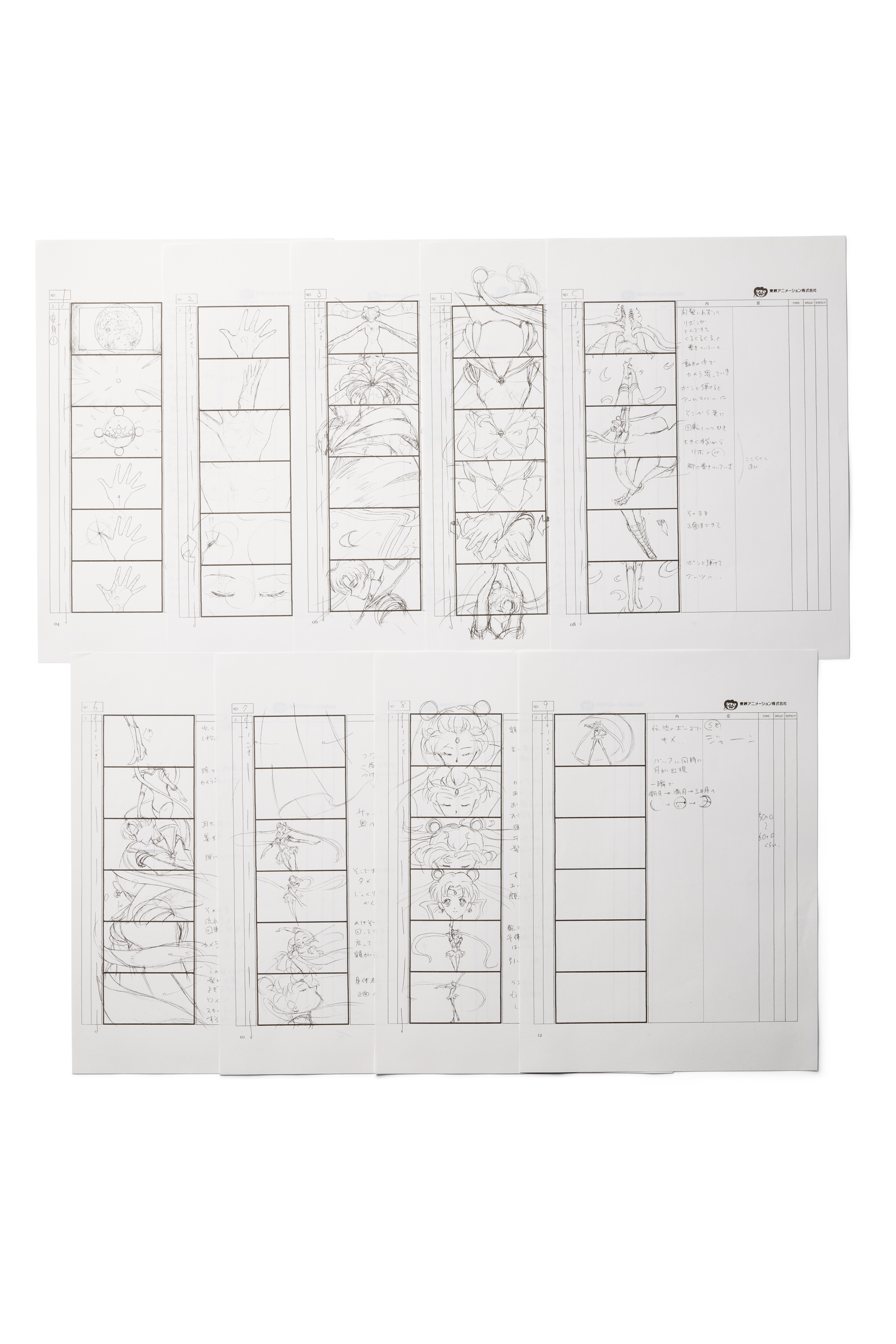
These are the plans behind those seconds. The transformation storyboard material for Pretty Guardian Sailor Moon Crystal, Toei Animation’s 2014 adaptation of Naoko Takeuchi’s manga, covering Sailor Moon, Mercury, Mars, Jupiter, and Venus. Roughly forty pages lay out the framing, timing, and staging of all five sequences before they were animated.
Storyboards are working documents. The director’s boards are scanned and distributed across animation direction, key animation, backgrounds, photography, and sound, with corrections accumulating as the episode moves through production.
Material like this was printed for the people making the show, used, and expected to be thrown away when the episode was delivered. That it remains intact and complete across all five transformations makes it rarer still.


